NATO deepens Indo-Pacific defense industry ties
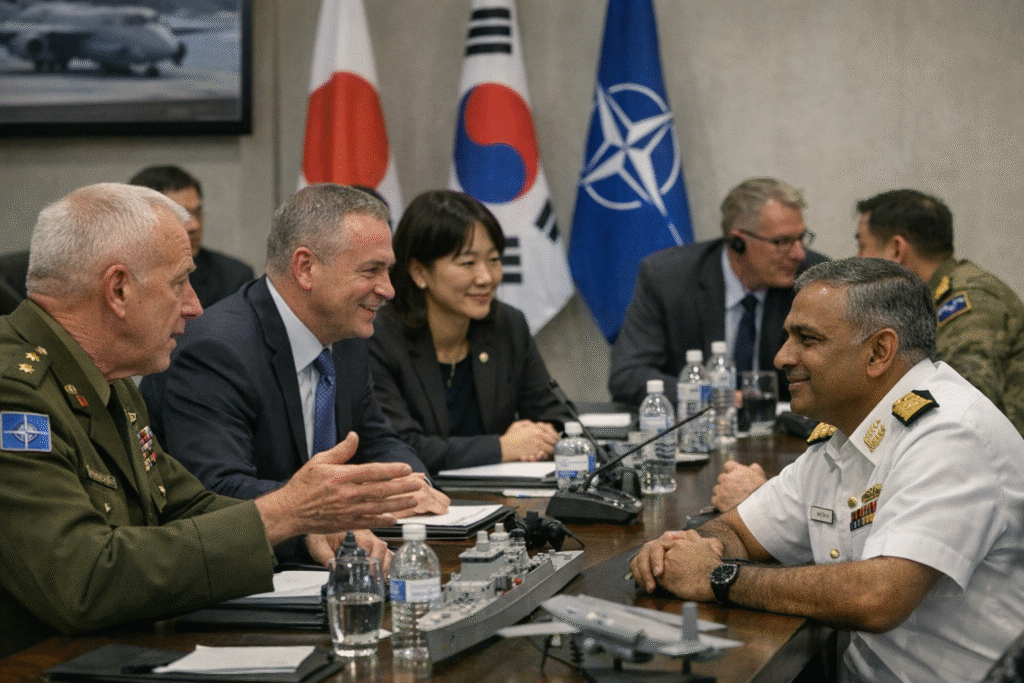
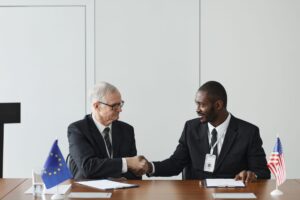
NATO has intensified its engagement with key Indo-Pacific partners, underscoring growing alignment on defense industrial cooperation and security challenges, according to a recent update published on NATO’s official website. The article, titled “NATO Assistant Secretary General for Defence Industry, Innovation and Armaments visits the Republic of Korea and Japan,” outlines a series of high-level meetings aimed at strengthening ties with Seoul and Tokyo.
During the visit, NATO Assistant Secretary General David van Weel met senior government officials and industry representatives in both countries, reflecting the alliance’s increasing focus on expanding its partnerships beyond the Euro-Atlantic region. The meetings centered on enhancing cooperation in defense production, innovation, and supply chain resilience, areas that have taken on greater urgency amid Russia’s ongoing war in Ukraine and rising strategic competition globally.
In the Republic of Korea, discussions emphasized opportunities to deepen collaboration between NATO and South Korea’s advanced defense industry. South Korea has emerged as a significant global arms supplier in recent years, and NATO is seeking to leverage this capacity to address pressing capability gaps and ensure sustained support for Ukraine. Talks covered joint production, interoperability, and ways to align standards to facilitate more efficient cooperation.
In Japan, conversations similarly highlighted the importance of developing closer industrial and technological ties. Japan’s ongoing efforts to expand its defense posture and invest in advanced technologies were presented as an opportunity for mutually beneficial collaboration. NATO officials and Japanese counterparts explored avenues for cooperation in emerging and disruptive technologies, as well as mechanisms to strengthen defense supply chains against potential disruptions.
The visit reflects NATO’s broader strategic outlook, which increasingly recognizes the interconnected nature of security across regions. While the alliance remains focused on collective defense in Europe, it has sought to build partnerships with like-minded countries in the Indo-Pacific, viewing them as essential contributors to a stable international order.
Van Weel’s meetings also underscored the importance of maintaining industrial readiness and innovation in the face of evolving threats. NATO has placed growing emphasis on ensuring that member states and partners can rapidly scale production and integrate new technologies, lessons drawn in part from the sustained demands of supporting Ukraine.
The engagements in Seoul and Tokyo signal a continuation of NATO’s efforts to institutionalize cooperation with Indo-Pacific partners, moving beyond political dialogue toward more operational and industrial collaboration. As highlighted in the NATO website’s report, the alliance sees these partnerships as critical to addressing shared security challenges and reinforcing the resilience of defense ecosystems across regions.
The visit comes at a time when both South Korea and Japan are expanding their own defense capabilities and international partnerships, reflecting a broader shift in the global security landscape. NATO’s outreach suggests that cooperation with these countries will likely deepen further, particularly in areas tied to defense production and technological innovation.