Israel Signals Strike Readiness as Ceasefire إعلان Faces Uncertainty Between Washington and Jerusalem
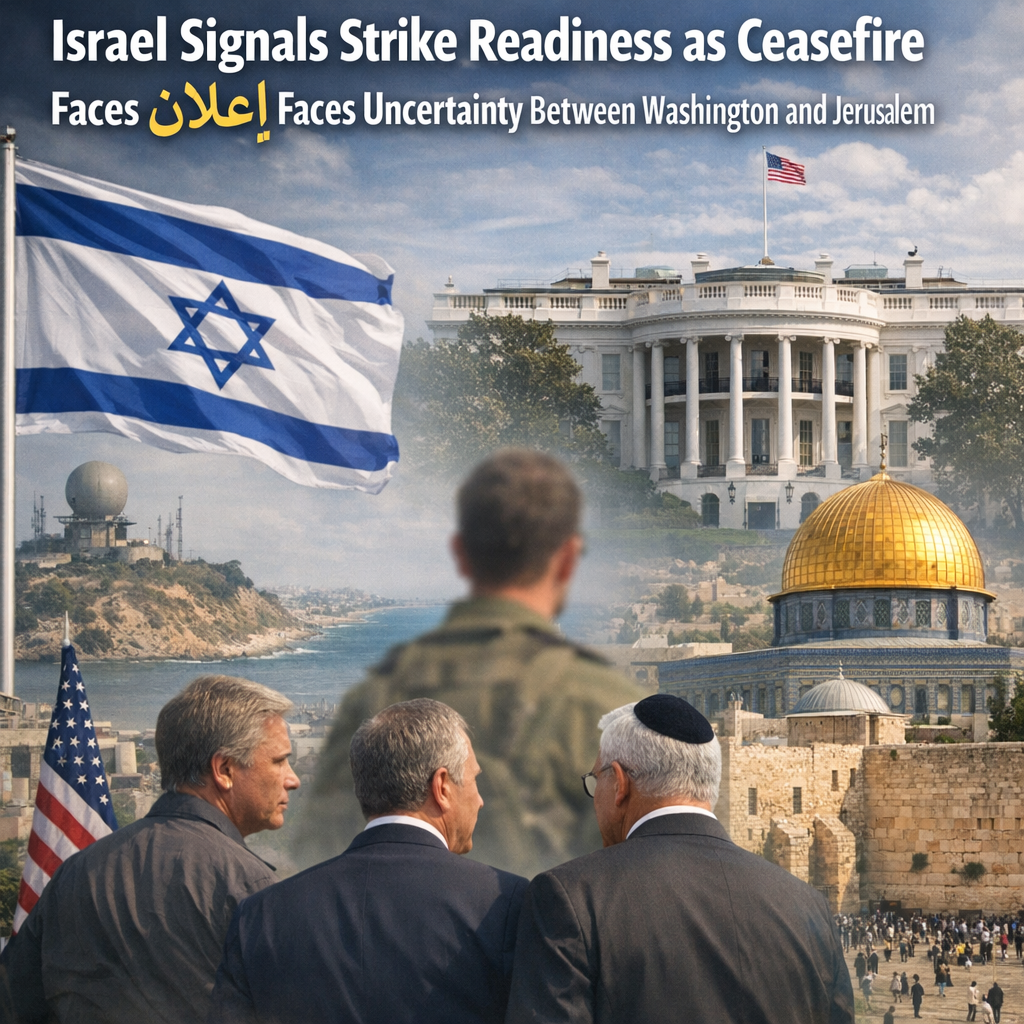
Israel signaled it remains prepared to conduct additional military strikes against Iran despite U.S. President Donald Trump’s announcement that a ceasefire between the two adversaries is now in effect, according to a report by Fox News titled “Israel signals readiness for another Iran strike after Trump declares ceasefire over.”
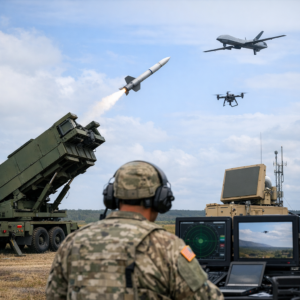
The Fox News report describes a fragile pause in hostilities following a period of heightened tensions, during which both Israel and Iran had engaged in direct and indirect confrontations. Background on the long-running Israel–Iran conflict highlights the pattern of proxy engagements and periodic escalations. While the ceasefire announcement from Washington suggested a de-escalation, Israeli officials cautioned that their military posture has not fundamentally changed and that operational readiness remains intact should threats reemerge.
According to the report, Israel’s leadership views the ceasefire as conditional and potentially temporary. Officials indicated that Iran’s regional activities, particularly its support for proxy groups and its military positioning, continue to pose what Israel considers an immediate strategic threat. In that context, Israeli authorities emphasized deterrence, signaling that any perceived violation or escalation by Iran could prompt a swift response. Analysts often point to Iran’s backing of armed groups, including Hezbollah, as central to these concerns.
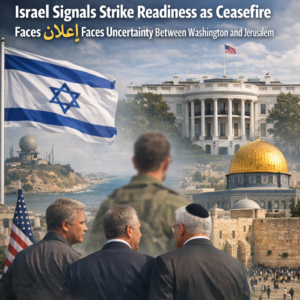
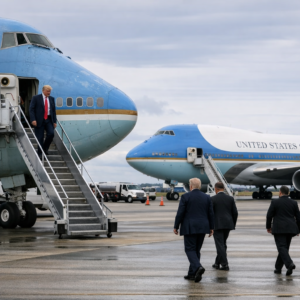
The article also points to a divergence in messaging between Washington and Jerusalem. President Trump portrayed the ceasefire as a stabilizing development that could open space for broader diplomatic efforts. Israeli officials, however, appeared more cautious, underscoring skepticism about Tehran’s intentions and the durability of any agreement not backed by verifiable constraints. Insights into U.S. regional strategy can be found through the U.S.–Israel relationship overview provided by the State Department.
Analysts cited in the Fox News report noted that such differences are not uncommon, reflecting distinct national security priorities. While the United States may prioritize short-term de-escalation to prevent wider regional conflict, Israel has consistently focused on preventing Iran from entrenching military capabilities near its borders, a concern frequently discussed in analyses by organizations like the Center for Strategic and International Studies.
The situation remains fluid, with regional observers closely watching for signs that the ceasefire will hold. Broader context on ceasefires and their fragility in modern conflicts is explored by the International Committee of the Red Cross. The report suggests that both sides are recalibrating, balancing public commitments to restraint with continued military preparedness.
As tensions persist beneath the surface, the gap between diplomatic declarations and on-the-ground realities underscores the uncertainty surrounding the ceasefire’s longevity and the potential for renewed confrontation.