Trump switches Air Force One aircraft mid-trip, highlighting strain on aging presidential fleet
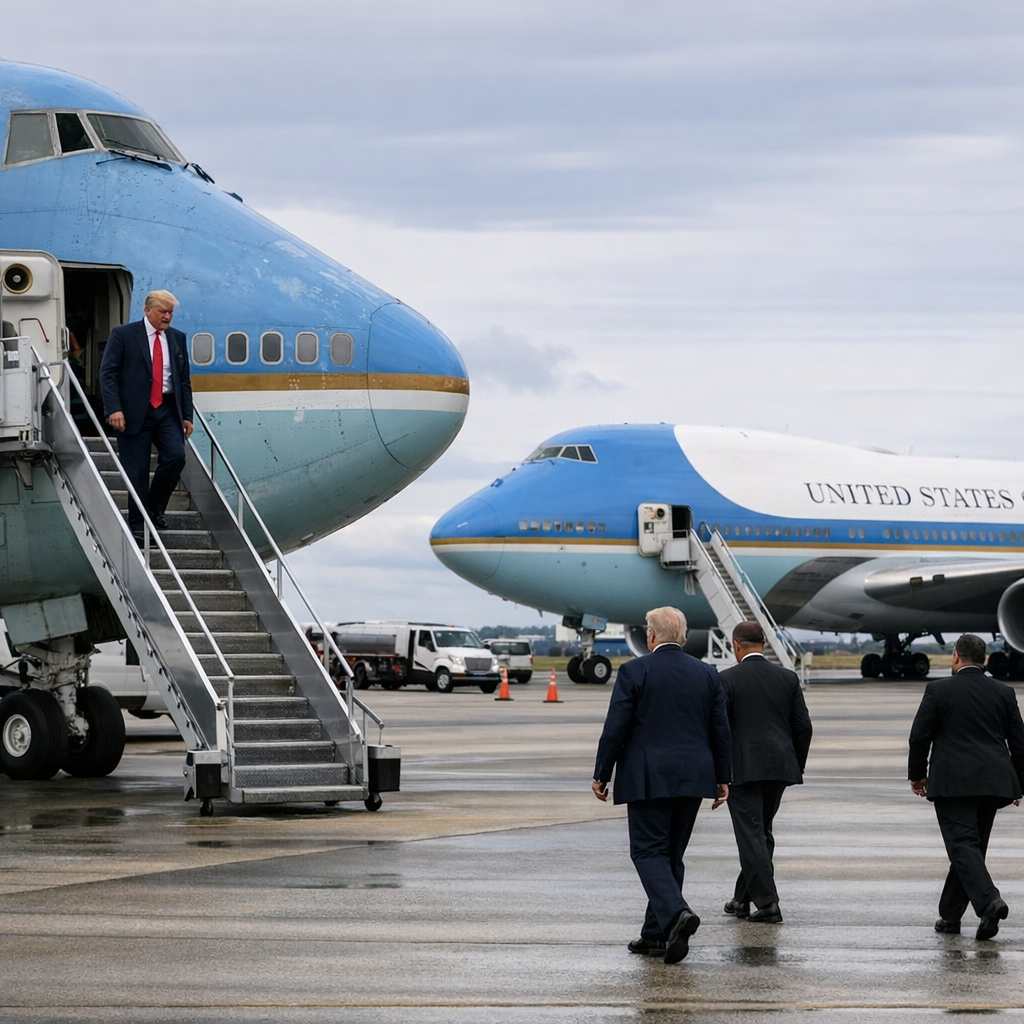
U.S. President Donald Trump used two different presidential aircraft during a recent overseas trip, departing Turkey aboard an older version of Air Force One before transferring to a newer jet in the United Kingdom for the return journey to Washington, according to reporting by Defense News.
The arrangement, detailed in Defense News’ article “Trump flies old Air Force One out of Turkey, switches to new jet in Britain for trip home,” highlights the continued transitional state of the presidential airlift fleet and the operational flexibility required to support global presidential travel. The report noted that Trump left Turkey on a legacy VC-25A aircraft, one of the long-serving Boeing 747-200-based planes that have carried U.S. presidents for decades, before switching aircraft in Britain to a newer platform for the transatlantic leg.
While both aircraft are commonly referred to as Air Force One when the president is aboard, the shift reflects broader modernization efforts and the logistical complexities of maintaining readiness across multiple airframes. Officials have not indicated that the swap was driven by any single mechanical or security issue, but rather by a combination of scheduling, availability, and mission requirements.
The aging VC-25A fleet, introduced in the early 1990s, has faced increasing scrutiny over maintenance demands and survivability in modern threat environments. Replacement efforts have long been underway, though they have been marked by delays, cost increases, and technical challenges highlighted in oversight reporting such as that from the U.S. Government Accountability Office. The newer aircraft referenced in the Defense News report likely incorporates incremental upgrades intended to bridge capability gaps while next-generation platforms continue development.
Presidential travel requires a layered support system that includes backup aircraft, advance deployments, and coordination with host nations, as described by the 89th Airlift Wing. In this case, positioning a second aircraft in Britain allowed planners to ensure continuity for the president’s return flight without extending the operational burden on a single airframe.
The episode underscores how even routine elements of presidential mobility can reveal deeper strains within defense procurement and sustainment systems. As the United States continues to rely on legacy aircraft for high-profile missions, the timing and execution of modernization programs remain under close scrutiny from both lawmakers and defense officials.