Polished Talks Hide Deep US-China Divide
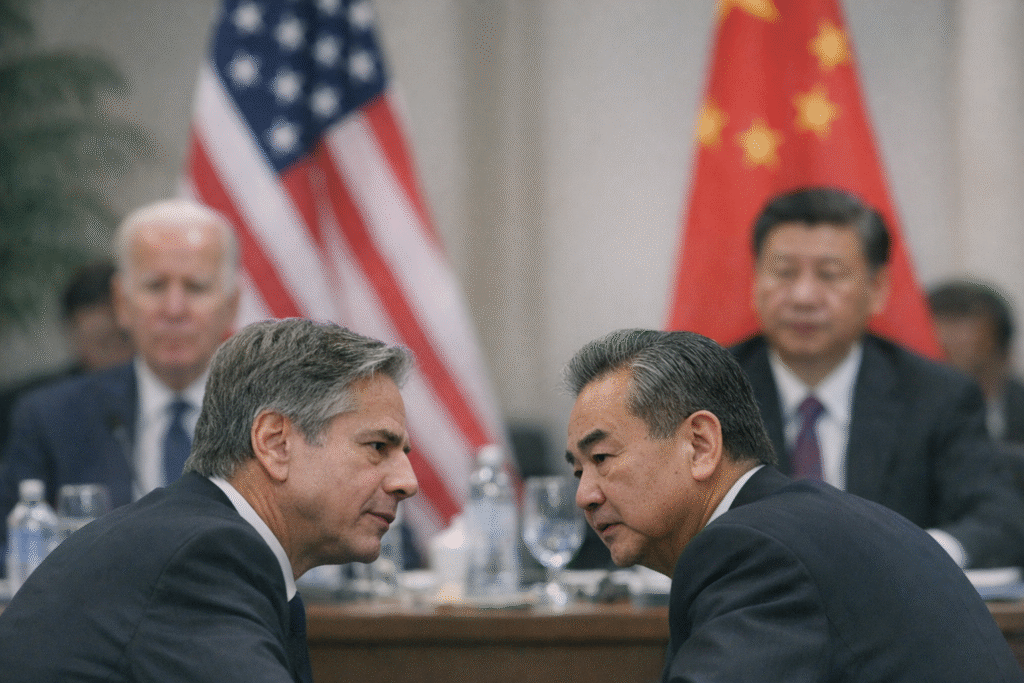
A recent report by The Wall Street Journal, titled “Tightly Choreographed Visit Masks Big Differences Between U.S. and China,” underscores the widening gap between Washington and Beijing despite carefully managed displays of diplomatic engagement. The article highlights how high-level exchanges between the two powers, while symbolically important, continue to obscure deep structural disagreements that remain unresolved.
According to the Journal’s account, official visits between U.S. and Chinese representatives are increasingly defined by precision staging and controlled messaging. Public-facing events emphasize stability and cooperation, yet behind closed doors, tensions persist across a range of critical issues, including trade practices, technological competition, and regional security concerns. The choreography of these meetings reflects a mutual interest in avoiding escalation, but it also signals a recognition that substantive breakthroughs remain elusive.
The broader context of the relationship reveals why such caution dominates diplomatic interactions. The United States continues to press China on what it views as unfair economic policies, restrictions on market access, and the role of state subsidies in distorting global competition. At the same time, Washington has tightened restrictions on advanced technology exports, citing national security concerns, moves that Beijing has condemned as efforts to contain its economic and technological rise.
China, for its part, has consistently pushed back against what it perceives as external interference in its domestic and regional affairs. Issues such as Taiwan, the South China Sea, and human rights remain flashpoints. Chinese officials frequently use diplomatic engagements to reiterate core sovereignty claims and to warn against actions they consider destabilizing. These positions, deeply embedded in each country’s strategic outlook, limit the scope for compromise.
The Wall Street Journal article also points to the growing importance of optics in diplomacy between the two nations. Carefully curated images of cordial meetings and measured statements are intended to reassure global markets and allied nations that dialogue continues. Yet such presentations often contrast sharply with the underlying reality of strategic competition, where mistrust has become a defining feature.
Analysts cited by the Journal suggest that both governments are managing a delicate balance: maintaining communication channels to prevent miscalculation while simultaneously preparing for prolonged rivalry. This dual approach reflects the stakes involved. The U.S.-China relationship is central not only to bilateral interests but also to global economic stability and geopolitical alignment.
The persistence of these tensions suggests that even as diplomatic ceremonies project calm, the fundamental trajectory of the relationship remains uncertain. As “Tightly Choreographed Visit Masks Big Differences Between U.S. and China” makes clear, the gap between appearance and reality in U.S.-China relations is not merely a matter of presentation but a reflection of enduring and possibly intensifying strategic divergence.