Crypto Flows Expose Sanctions Gaps Linked to Iran
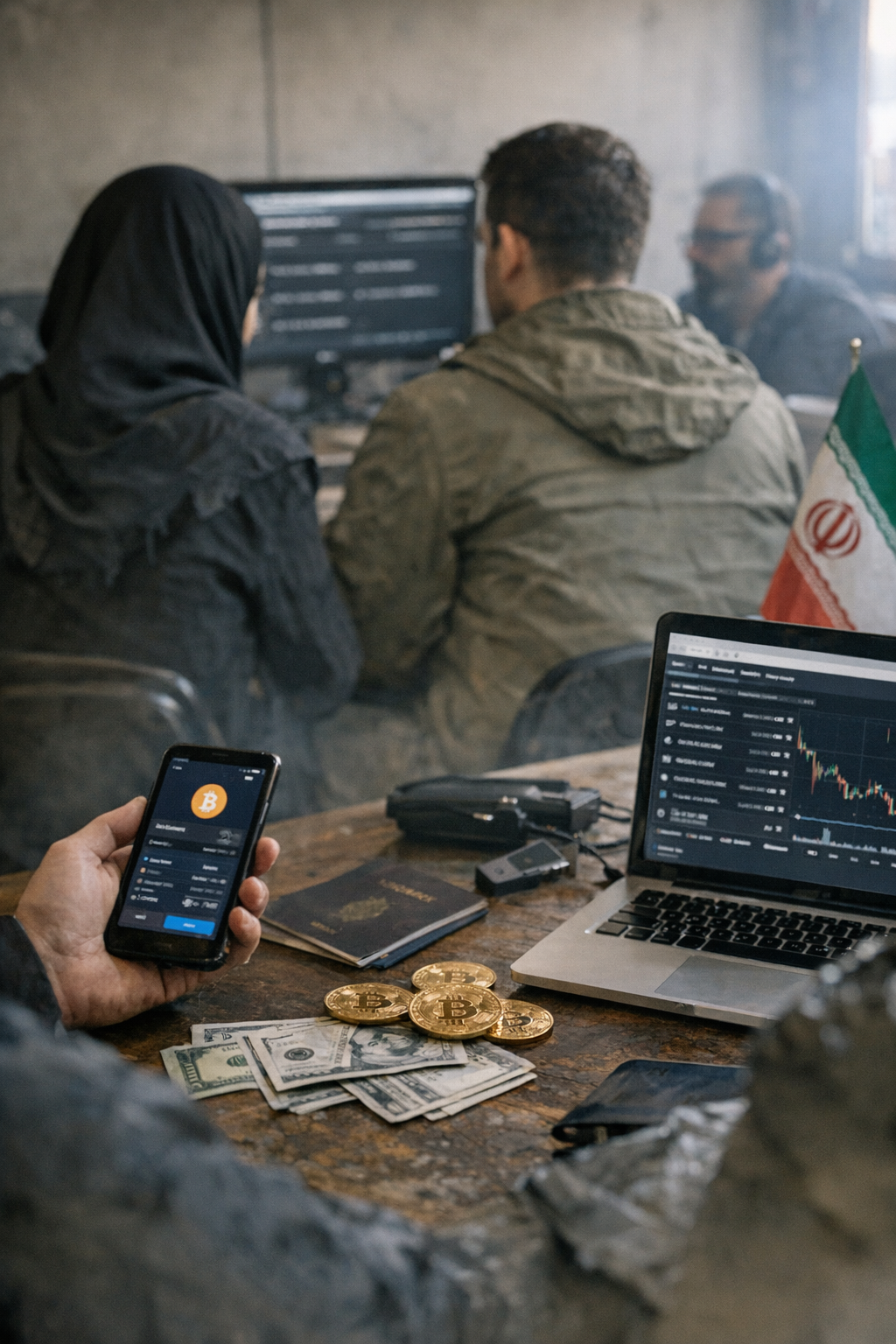
An investigation by The Wall Street Journal, published under the headline “Iran, Binance and the Flow of Crypto to the Military,” sheds new light on how digital assets have intersected with geopolitical finance, detailing alleged links between cryptocurrency transactions and networks connected to Iran’s military establishment.
The report outlines how Iranian actors have increasingly turned to cryptocurrency exchanges, including Binance, to move funds in ways that may evade traditional financial surveillance. According to the Journal’s findings, blockchain transactions tied to entities associated with Iran’s Islamic Revolutionary Guard Corps have at times passed through major global platforms, underscoring the challenges regulators face in monitoring decentralized financial systems.
Unlike the conventional banking sector, where compliance frameworks and sanctions enforcement are relatively standardized, cryptocurrency markets operate across fragmented jurisdictions. This has created gaps that state-linked actors can exploit. The Journal describes how intermediaries, digital wallets, and layered transaction techniques have been used to obscure the origin and destination of funds, complicating efforts by authorities to track or block them.
Binance, one of the world’s largest cryptocurrency exchanges, is portrayed in the report as a significant node in this ecosystem, not necessarily as a willing participant but as a platform whose scale and reach have made it difficult to fully prevent illicit or sanctioned activity. The company has previously stated that it has strengthened its compliance measures in recent years, including improved know-your-customer protocols and collaboration with law enforcement agencies. Nevertheless, the Journal’s reporting suggests that earlier gaps may have allowed questionable transactions to pass through its systems.
The broader implications extend beyond any single company. Policymakers in the United States and allied countries have increasingly warned that digital currencies could undermine sanctions regimes, particularly when used by states seeking to circumvent economic isolation. Iran, long subject to extensive financial restrictions, has explored multiple avenues to sustain international transactions, including barter agreements, informal banking networks, and now, more prominently, blockchain-based tools.
Experts cited in the Journal’s coverage note that cryptocurrency’s transparency—every transaction is recorded on a public ledger—offers both an opportunity and a limitation. While sophisticated analysis can sometimes trace flows of funds, the use of mixers, anonymizing services, and complex chains of transfers can still frustrate enforcement.
The report arrives at a time of intensifying scrutiny of the cryptocurrency sector globally. Regulators are weighing stricter oversight, including requirements for exchanges to implement more rigorous monitoring and reporting standards. The case outlined by The Wall Street Journal is likely to reinforce calls for coordinated international regulation, as unilateral measures have proven insufficient in a system defined by its borderless nature.
For Iran, the reported use of cryptocurrency reflects both necessity and adaptation under sanctions pressure. For regulators and exchanges, it highlights a persistent tension: balancing innovation and accessibility with the need to prevent financial systems from being used in ways that undermine international security frameworks.