Cotton Pushes Sanctions Over Iran Strait Fees
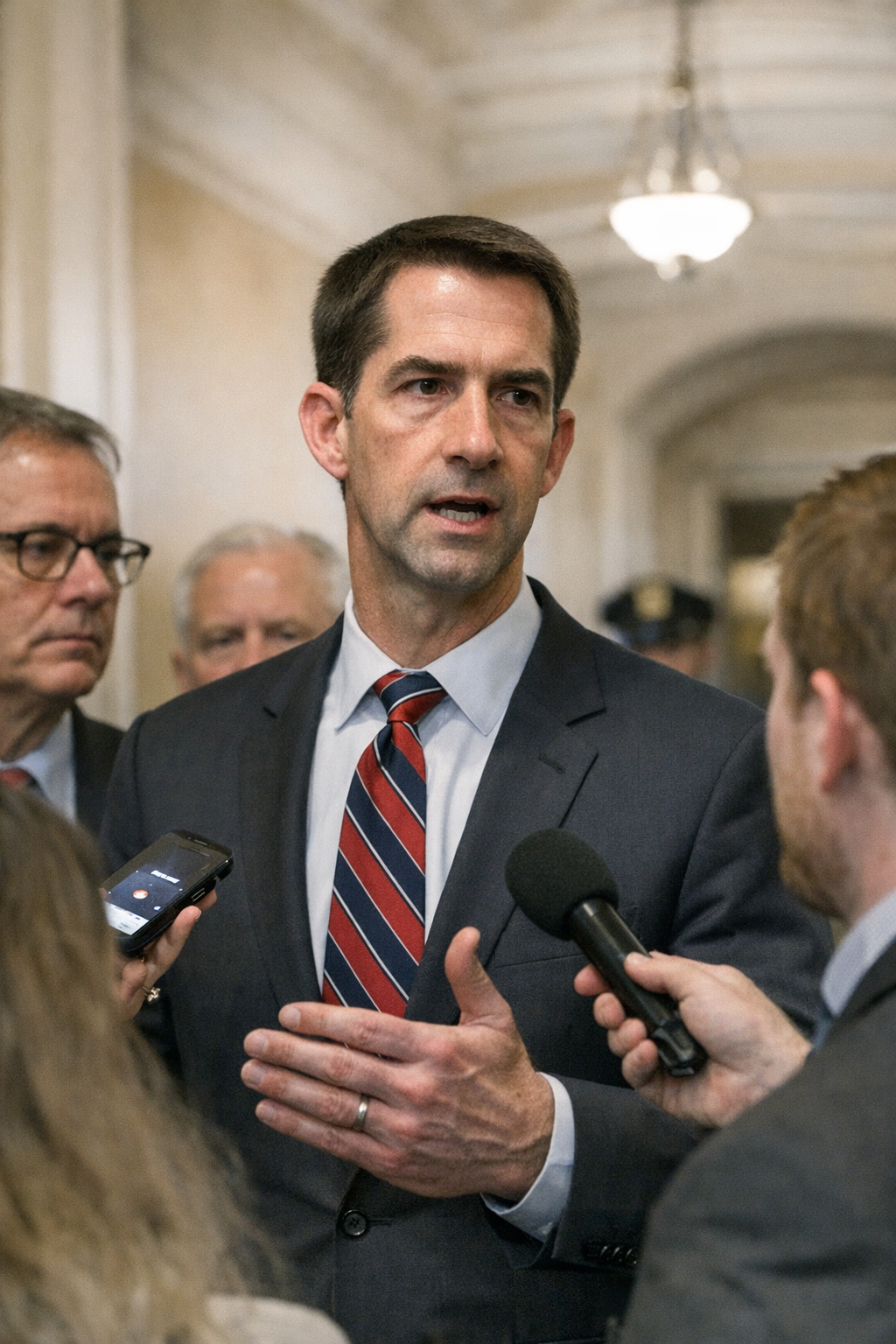
Sen. Tom Cotton has renewed calls for sweeping economic penalties against any country that supports or complies with a potential Iranian effort to impose transit fees in the Strait of Hormuz, warning that such a move would amount to unlawful coercion with global economic consequences.
As reported in the Washington Free Beacon article “Cotton Pushes Sanctions on Any Nation Backing Iran’s Hormuz Strait Toll Booth,” the Arkansas Republican is pressing U.S. policymakers to respond preemptively to concerns that Tehran could seek to monetize passage through one of the world’s most critical maritime chokepoints. The Strait of Hormuz carries roughly a fifth of global oil shipments, making any disruption or added cost a matter of international concern.
Cotton’s proposal centers on secondary sanctions targeting foreign governments or entities that comply with or facilitate Iranian toll collection. Such measures would extend beyond direct dealings with Iran to penalize third parties, a strategy the United States has previously used to deter economic engagement with sanctioned regimes. In Cotton’s view, allowing Iran to impose fees would legitimize what he characterizes as an extortion scheme and weaken longstanding international norms governing freedom of navigation.
The senator’s stance reflects broader anxieties in Washington about Iran’s regional posture and its willingness to leverage strategic geography for political and economic gain. While Iran has periodically threatened to disrupt shipping in the strait during periods of heightened tension, the notion of formalizing a toll system represents a different kind of challenge—one that could test both maritime law and the resolve of the international community.
Critics of expansive sanctions policies have argued that secondary sanctions can strain relations with allies and complicate global trade, particularly if enforcement appears unilateral. However, Cotton and like-minded lawmakers contend that the stakes in the Strait of Hormuz warrant a strong deterrent, given the potential for ripple effects across energy markets and global supply chains.
The Free Beacon report situates Cotton’s proposal within a broader legislative and strategic context, as U.S. officials continue to assess how best to counter Iranian influence while maintaining stability in key waterways. Any move toward implementing such sanctions would likely prompt debate not only in Congress but also among U.S. allies, many of whom rely heavily on energy shipments passing through the strait.
For now, the proposal underscores the persistent tension surrounding one of the world’s most vital shipping routes and highlights how economic tools remain central to U.S. efforts to shape behavior in the region.