NATO Weighs Future of Nuclear Deterrence Plans
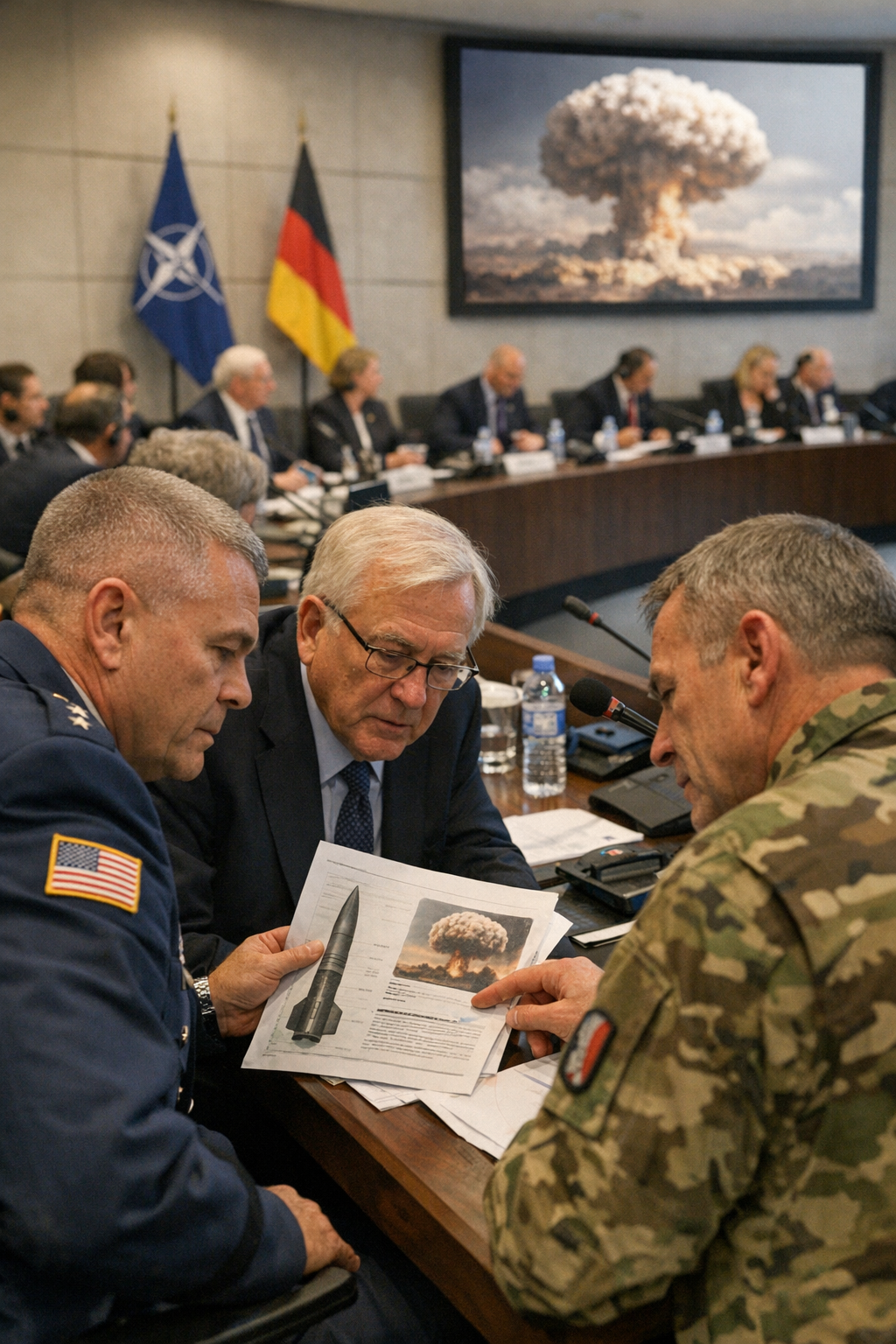
Senior officials from across the NATO alliance convened this week to examine the future of nuclear deterrence, holding high-level discussions that underscore growing concern over global security risks ahead of a key ministerial meeting in June.
According to NATO’s official website, in an article titled “NATO High-Level Group discusses nuclear deterrence ahead of June NPG meeting,” the alliance’s High-Level Group (HLG) met to address evolving strategic challenges and to prepare policy recommendations for the forthcoming Nuclear Planning Group (NPG) session. The NPG, NATO’s principal body for nuclear policy, is expected to play a central role in shaping the alliance’s deterrence posture amid an increasingly volatile security environment.
Participants in the HLG meeting focused on the credibility, effectiveness, and communication of NATO’s nuclear deterrent, reflecting heightened tensions linked to Russia’s ongoing military posture and broader concerns about nuclear proliferation. Officials assessed how best to maintain deterrence while adapting to changes in technology, doctrine, and geopolitical dynamics.
The discussions come at a time when NATO has been reinforcing its collective defense commitments, balancing conventional military readiness with the enduring role of nuclear weapons as a core component of its strategy. While the alliance maintains that its nuclear arsenal exists to preserve peace and prevent coercion, there is ongoing debate among member states about how to calibrate deterrence without escalating risks.
In this context, the HLG serves as a key advisory body, bringing together senior national policymakers and experts to align perspectives before decisions are taken at the ministerial level. The outcomes of these deliberations are expected to inform the June meeting of the Nuclear Planning Group, where defense ministers will evaluate the alliance’s nuclear policy in greater detail.
NATO officials emphasized that the alliance remains committed to its long-standing principles, including maintaining a safe, secure, and effective nuclear deterrent while supporting arms control, disarmament, and non-proliferation efforts. However, the current security climate has complicated these objectives, particularly as arms control frameworks have eroded and dialogue between major nuclear powers has stalled.
The meeting highlights the strategic balancing act facing NATO: reinforcing deterrence to address immediate threats while avoiding steps that could further destabilize an already fragile global security environment. As preparations continue for the June NPG gathering, the alliance appears focused on ensuring that its nuclear policy remains both credible and carefully calibrated in an era of renewed great-power competition.