Murdoch Fox and NFL Clash Over Media Rights
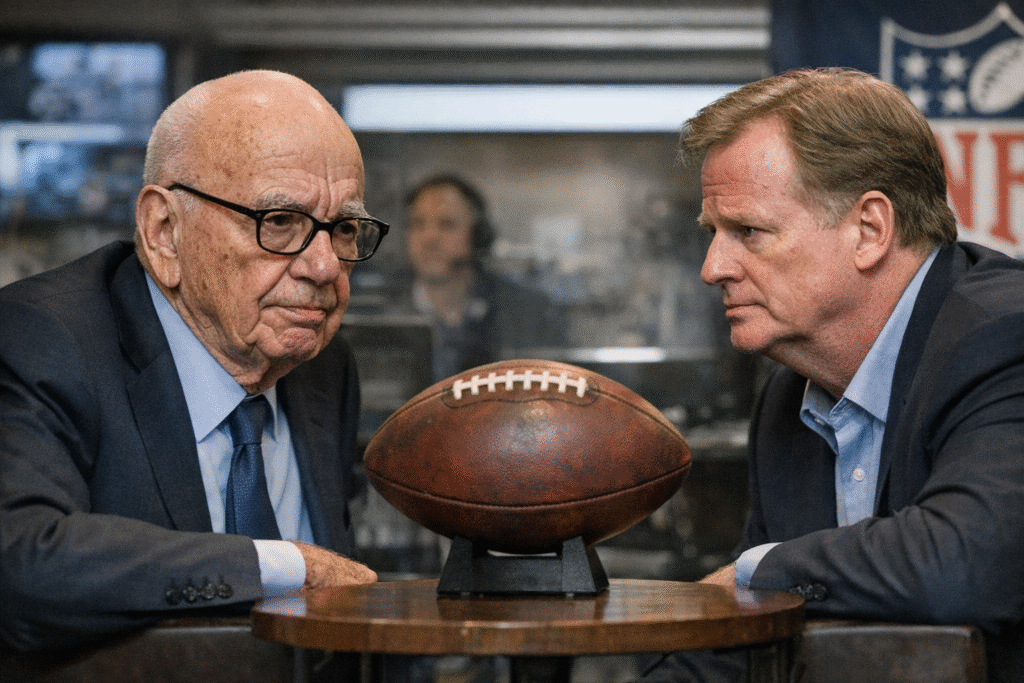
A growing dispute involving Rupert Murdoch’s media empire and the National Football League underscores the increasingly fraught economics of live sports broadcasting, as traditional television players confront shifting market dynamics and mounting legal tensions.
According to “Murdoch, NFL Clash Over Television Rights” published by The Wall Street Journal, Fox Corp. has become embroiled in a high-stakes conflict tied to its long-standing relationship with the NFL, a cornerstone of the network’s programming strategy. The disagreement reflects broader pressures facing legacy broadcasters as they navigate escalating rights fees, intensifying competition from technology companies, and evolving viewer habits.
At the center of the conflict are questions about how NFL broadcasting rights are structured and monetized, particularly as the league expands its partnerships with streaming platforms. Fox, long reliant on NFL games to anchor its advertising revenue and affiliate fees, has expressed concerns about changes that could dilute the value of its exclusive packages or redirect audiences toward digital competitors.
The dispute highlights a delicate balance in the league’s media strategy. The NFL has sought to maximize revenue by diversifying its distribution, striking deals with streaming giants while maintaining relationships with traditional networks. That approach has driven rights fees to unprecedented levels but has also introduced friction with legacy partners who fear erosion of their market position.
For Fox and Murdoch, the stakes are especially high. Live sports remain one of the few types of programming that consistently attract large, real-time audiences, making them crucial for advertisers and distributors alike. Any perceived weakening of exclusivity or shifts in viewing patterns could have significant financial implications.
The tension also points to a broader transformation within the media industry. Technology companies have entered the sports rights arena aggressively, leveraging deep resources and global platforms to secure marquee content. This has forced traditional broadcasters to reassess their strategies, often paying higher prices for rights while facing greater competition for viewers’ attention.
Legal and contractual complexities have further complicated the situation. Disputes over the interpretation of rights agreements, distribution models, and competitive boundaries are becoming more common as the industry adapts to hybrid broadcast and streaming ecosystems. These conflicts can have ripple effects across the media landscape, influencing future negotiations and partnerships.
Despite the dispute, both Fox and the NFL remain deeply interconnected. The network continues to be a primary broadcaster of NFL games, and the league depends on major networks to deliver broad national audiences. However, the current tensions suggest that even long-standing alliances are being tested as the economics of sports media evolve.
The outcome of the disagreement could shape how future rights deals are structured, particularly regarding digital distribution and exclusivity. It may also influence how other leagues and broadcasters approach their negotiations, as they grapple with similar challenges in a rapidly changing marketplace.
As the media industry continues its transition, the clash between Murdoch’s Fox and the NFL serves as a clear signal that the balance of power in sports broadcasting is in flux, with significant implications for networks, leagues, and viewers alike.