Second Soldier Recovered After Morocco Drill Tragedy
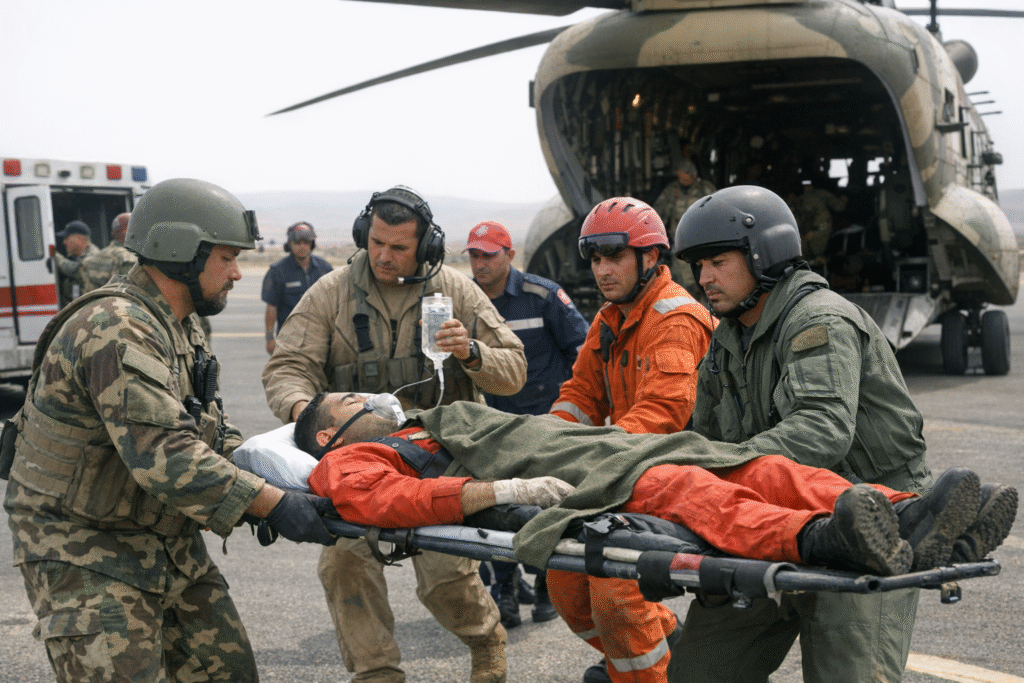
U.S. Army officials have confirmed the recovery of the remains of a second soldier who went missing during a multinational training exercise in Morocco, marking a somber conclusion to a search effort that spanned several days and involved both American and Moroccan personnel.
The development was first reported by Military Times in its article, “US Army recovers remains of second soldier reported missing during Moroccan exercise,” which detailed the circumstances surrounding the disappearance and the subsequent recovery operations.
The soldiers had been participating in African Lion, a large-scale annual exercise designed to strengthen interoperability between U.S. forces and partner nations across Africa. The drills, which involve a range of military activities including field maneuvers and joint tactical training, are a cornerstone of U.S. Africa Command’s engagement strategy in the region.
According to Army officials, the two soldiers were reported missing earlier this week during a scheduled training event. Search and rescue teams were immediately deployed, working under challenging terrain and environmental conditions. Moroccan authorities collaborated closely with U.S. forces, providing local expertise and additional resources to support the effort.
The first soldier’s remains were recovered shortly after the initial search began, while efforts continued to locate the second missing service member. The Army confirmed that the second soldier’s remains were found after an extended search operation, though specific details about the location and circumstances of the recovery have not been publicly disclosed.
Military officials have not yet released the identities of the soldiers, pending notification of their families. An investigation into the incident is ongoing, with the Army seeking to determine the sequence of events that led to the tragedy.
The incident has cast a shadow over African Lion, which typically emphasizes cooperation and readiness among participating nations. While such exercises are critical for building operational capability and strengthening alliances, they also carry inherent risks, particularly in unfamiliar or demanding environments.
Pentagon officials have acknowledged those risks while underscoring the importance of rigorous safety protocols. It remains unclear whether environmental factors, equipment failure, or other causes contributed to the incident, and investigators are expected to review all aspects of the exercise.
The deaths of the two soldiers have prompted expressions of condolences from military leadership. Commanders involved in the exercise have emphasized their commitment to supporting the families of the fallen and ensuring a thorough and transparent investigation.
As the Army continues its inquiry, the incident serves as a stark reminder of the dangers faced by service members even outside of combat operations. Training missions, especially those conducted overseas and in collaboration with partner forces, are essential to military preparedness but can expose personnel to unpredictable hazards.
Further updates are expected as the investigation progresses and additional details become available.