Remains of missing US soldier found off Morocco coast
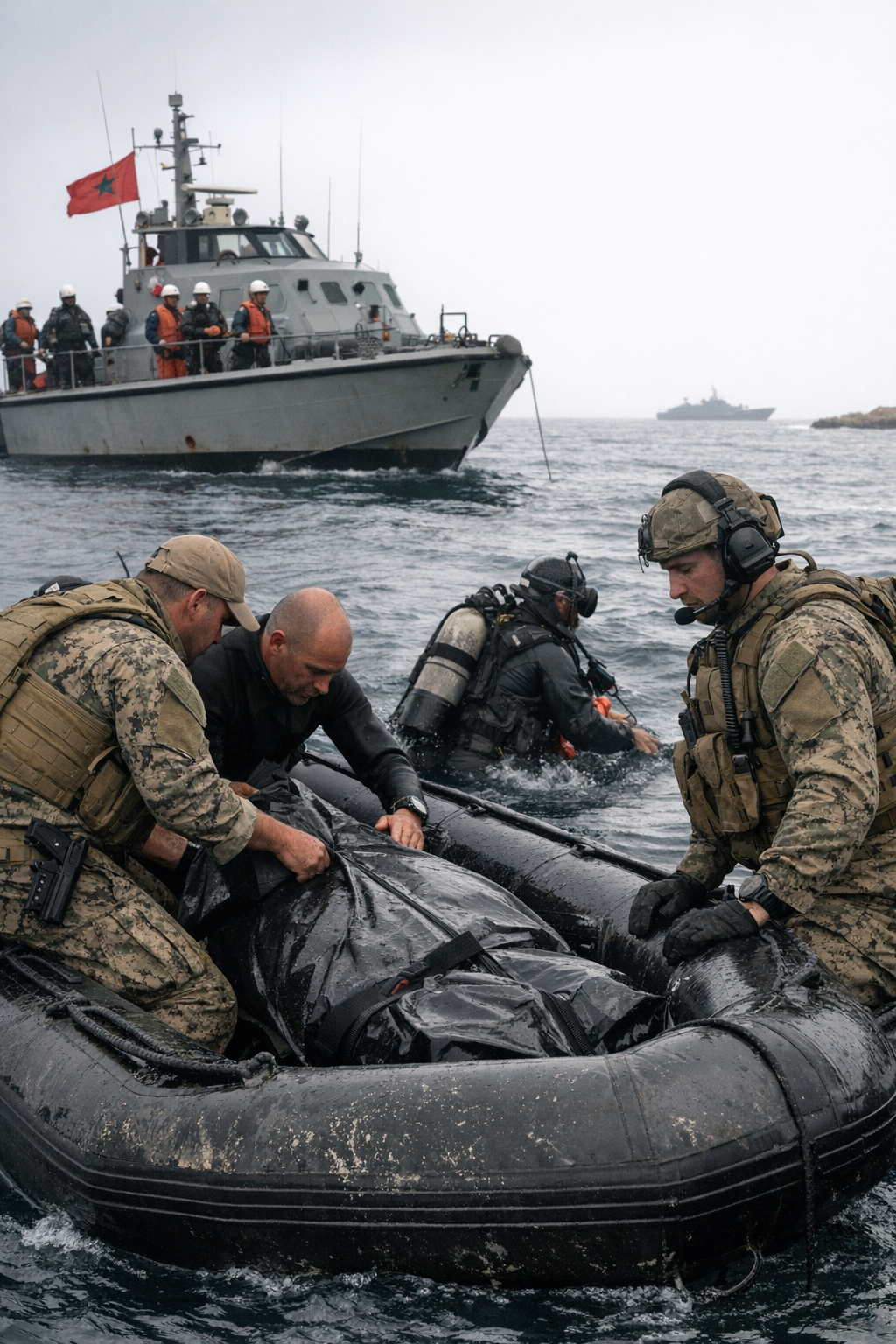
The remains of a U.S. soldier long listed as missing have been recovered off the coast of Morocco, according to a report published by Military Times titled “Remains of missing soldier found off the coast of Morocco.” The discovery brings a measure of resolution to a case that had remained unresolved for years, underscoring both the persistence of military recovery efforts and the enduring toll of unresolved losses on families and units.
According to Military Times, U.S. officials confirmed that the remains were located through a coordinated recovery operation involving military specialists and, likely, host-nation cooperation. While full details of the recovery effort have not been publicly disclosed, such missions are typically conducted by teams trained in underwater recovery and forensic identification, often operating in challenging maritime conditions.
The Defense POW/MIA Accounting Agency (DPAA), which leads U.S. efforts to recover and identify missing service members from past conflicts and incidents, is expected to play a central role in confirming the individual’s identity. Identification processes can take months and often rely on a combination of DNA analysis, dental records, and material evidence recovered at the site.
The recovery highlights the ongoing U.S. commitment to accounting for missing personnel, regardless of how much time has passed. Military officials have repeatedly emphasized that efforts to locate and identify missing service members do not expire, reflecting both institutional duty and a broader moral commitment to families awaiting answers.
Military Times reported that officials have not yet released the soldier’s name, pending notification of next of kin. Such notifications follow strict protocols designed to ensure families receive information privately and with appropriate support.
The circumstances surrounding the soldier’s disappearance were not detailed in the initial report, but maritime incidents involving military personnel can range from training accidents to operational losses. Each case typically requires extensive investigation, both at the time of disappearance and during any subsequent recovery effort.
For families of missing service members, the discovery of remains, even years later, can bring a complex mix of grief and closure. While the passage of time often deepens uncertainty, confirmation of a loved one’s fate can allow for long-delayed mourning and commemoration.
The report by Military Times situates this recovery within a broader pattern of ongoing efforts by U.S. authorities to resolve cases of missing personnel worldwide. These operations, though often low-profile, represent a sustained commitment that continues decades after conflicts end or incidents occur.
As further details emerge, including the formal identification of the soldier and the circumstances of the loss, the case is likely to draw renewed attention to both the risks faced by service members and the long institutional memory that drives efforts to account for every individual.