Poll Reveals Americans Doubt New Iran Deal Can Halt Nuclear Ambitions
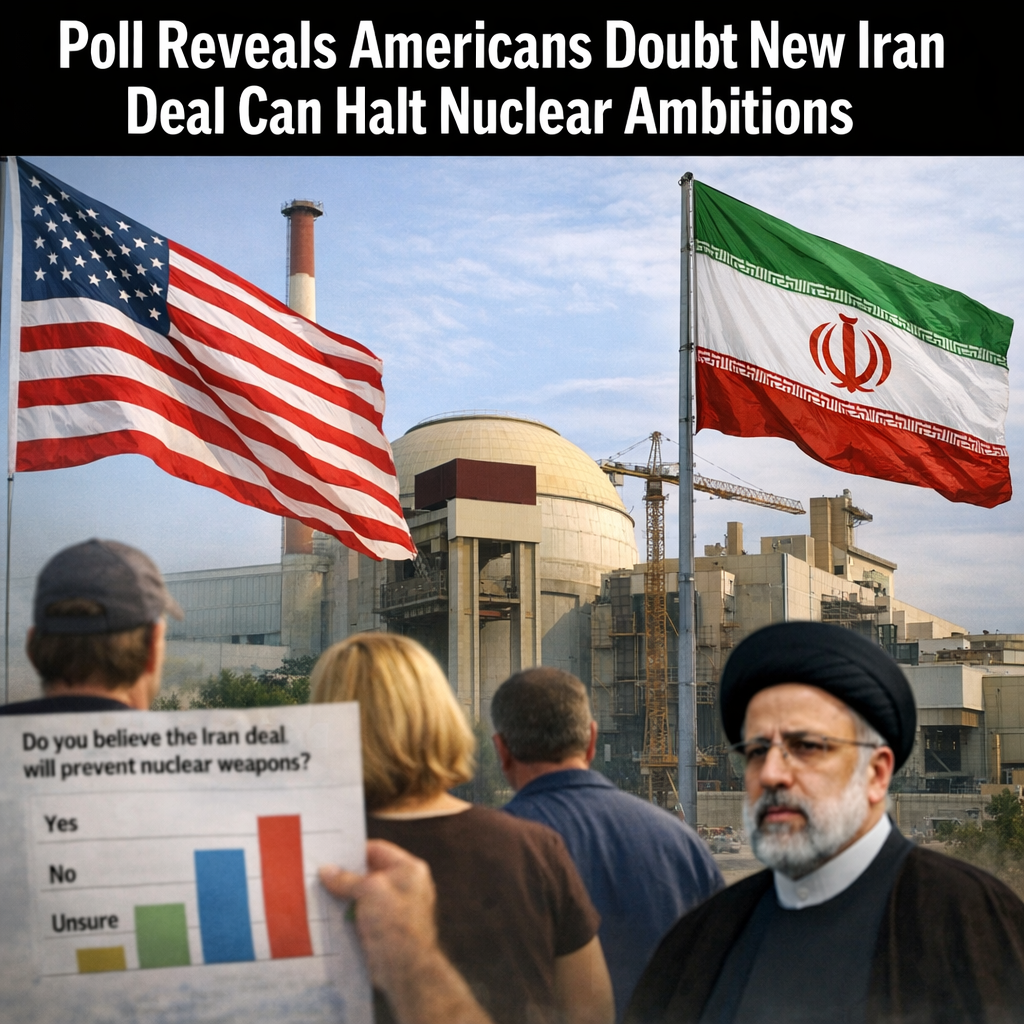
A recent poll highlighted by Fox News underscores deep public skepticism about whether a newly proposed agreement with Iran would effectively prevent the country from developing nuclear weapons, reflecting persistent doubts that have shadowed diplomatic efforts for years.
According to the article titled “Fox News Poll: Voters doubt new agreement will stop Iran developing nukes”, published by Fox News, a significant share of Americans remain unconvinced that renewed diplomatic arrangements could successfully constrain Iran’s nuclear ambitions. The poll results suggest that concerns about enforcement, verification, and long-term compliance continue to weigh heavily on public opinion.
The findings come as policymakers and international partners revisit frameworks similar to the 2015 Joint Comprehensive Plan of Action (JCPOA), which sought to limit Iran’s nuclear program in exchange for sanctions relief. While supporters of renewed negotiations argue that diplomacy remains the most viable path to avoiding escalation, the Fox News poll indicates that many voters question whether such agreements can deliver lasting security outcomes.
Skepticism appears to cut across political lines, though it is more pronounced among some groups. The survey reflects broader unease about Iran’s regional behavior and its history of strained relations with Western powers. For critics, past agreements are seen as insufficiently robust, with concerns that Iran could continue advancing its nuclear capabilities in ways that evade oversight or exploit loopholes. Organizations like the International Atomic Energy Agency (IAEA) have been central to verification efforts, though debate persists over their effectiveness.
At the same time, proponents of diplomacy warn that abandoning negotiations could heighten tensions and increase the risk of conflict. They argue that even imperfect agreements provide mechanisms for monitoring and can slow nuclear development, buying time for further diplomatic engagement, as discussed by the Arms Control Association.
The Fox News report highlights how public opinion may shape the political environment in which any future deal is negotiated. Lawmakers, particularly during an election cycle, are likely to face pressure to address constituent concerns about national security and the credibility of international agreements. Broader geopolitical analysis from institutions like the Council on Foreign Relations underscores how contentious and complex the issue remains.
As debate continues, the poll results illustrate a central challenge: rebuilding public trust in diplomatic solutions to one of the world’s most enduring and complex security issues, a challenge also examined by the Brookings Institution.