Netanyahu Intensifies Quiet Diplomatic Push to Shape Iran Nuclear Negotiations
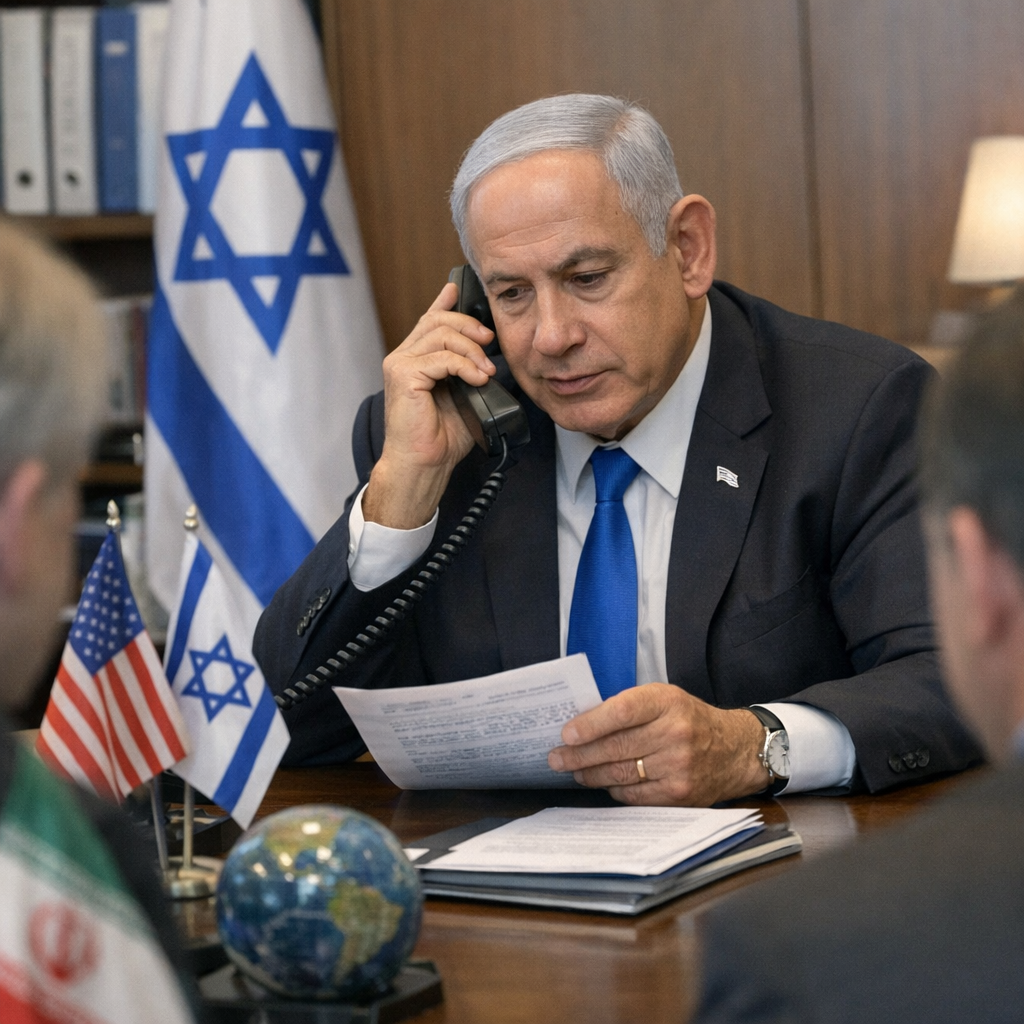
Israeli Prime Minister Benjamin Netanyahu has reportedly been working behind the scenes to influence international negotiations over Iran’s nuclear program, according to a report by i24NEWS titled “Netanyahu is working behind the scenes to derail the Iran deal.”
The report describes what it characterizes as a coordinated, largely discreet Israeli effort to shape the trajectory of emerging diplomatic discussions aimed at curbing Iran’s nuclear activities. While Israeli officials have publicly maintained a firm opposition to reviving or modifying past agreements with Tehran, the i24NEWS account suggests that parallel diplomatic channels are being used to press key stakeholders to adopt a more stringent position.
At the center of Israel’s concerns is the belief that any renewed agreement could fall short of preventing Iran from achieving nuclear weapons capability. Israeli leaders have long argued that previous frameworks, including the 2015 Joint Comprehensive Plan of Action (JCPOA), provided insufficient safeguards and allowed Tehran to retain the infrastructure necessary for eventual nuclear breakout.
According to the i24NEWS report, Netanyahu’s approach combines public messaging with quieter diplomatic outreach. Israeli officials are said to be engaging counterparts in Washington and European capitals, emphasizing intelligence assessments and advocating for tighter restrictions on uranium enrichment, expanded inspection regimes, and limitations on missile development.
The report comes at a time of renewed international focus on Iran’s nuclear program, amid indications that Tehran has advanced its enrichment activities beyond levels previously agreed upon, as noted in assessments by the International Atomic Energy Agency (IAEA). Western governments have been weighing possible paths forward, including partial agreements, interim arrangements, or a broader renegotiation of existing frameworks, according to coverage from Reuters.
Israel, which views Iran as its most significant strategic threat, has consistently signaled that it reserves the right to act independently to prevent Tehran from acquiring nuclear weapons, a position reiterated by the Israeli Ministry of Defense. This stance has contributed to tensions with some international partners, particularly when diplomatic efforts are underway, as discussed in analyses by the Council on Foreign Relations.
While the i24NEWS report stops short of detailing specific diplomatic exchanges or identifying all parties involved, it portrays a deliberate Israeli strategy aimed at influencing not only the content of any potential deal but also the broader political climate in which negotiations are conducted.
The reported efforts underscore the enduring divide between Israel and proponents of renewed nuclear diplomacy with Iran. As discussions continue, the extent to which Israel’s behind-the-scenes engagement shapes the outcome remains an open question, but it reflects the high stakes and deep mistrust that continue to define the issue.