USS Harry S. Truman Enters the Middle East as Questions Mount Over Lincoln’s Status
The Harry S. Truman carrier strike group has deployed to the Middle East amid growing uncertainty over the USS Abraham Lincoln.
The USS Harry S. Truman carrier strike group has arrived in the U.S. Central Command area of responsibility, reinforcing American naval presence in the Middle East at a moment when the status of another carrier already in the region — the USS Abraham Lincoln — has drawn scrutiny, according to a Business Insider report. The deployment underscores both the persistent demand for carrier presence in a volatile theater and the strain that sustained combat operations have placed on the Navy’s surface fleet. For context on the broader structural pressures shaping these rotation decisions, see GDD’s earlier analysis of the gap Middle East.
The Truman’s arrival comes as the U.S. Navy has been managing an unusually complex carrier posture across multiple theaters simultaneously. The Lincoln has been operating in the region amid the U.S. conflict with Iran, and concerns have surfaced around crew welfare aboard the ship. An Associated Press investigation documented a deeply troubling situation aboard the Lincoln, reporting on sailors aboard Lincoln going overboard during the Iran war — incidents that have intensified questions about conditions on the ship and the human cost of prolonged high-tempo operations.
A Thinning Bench of Available Carriers
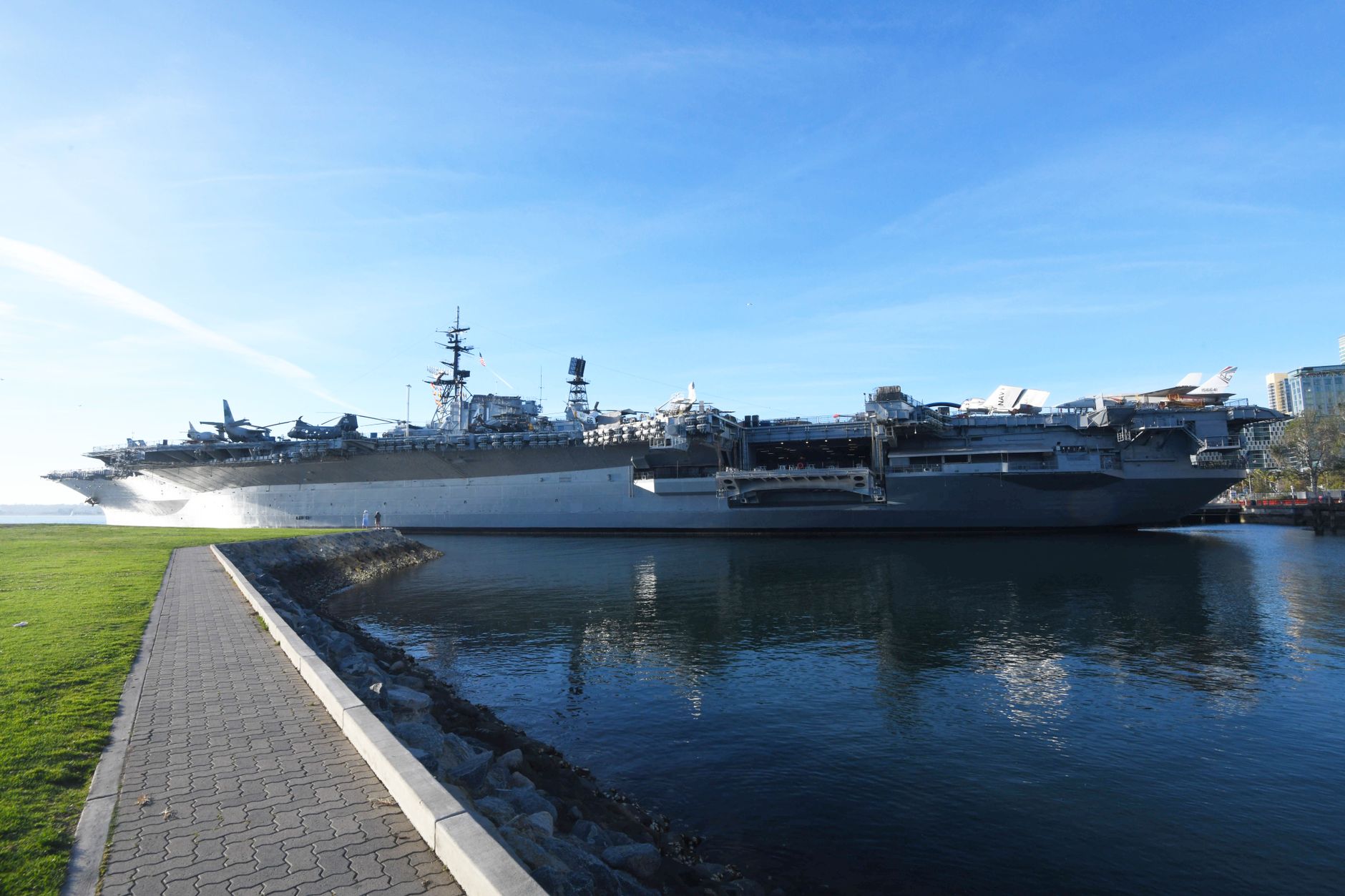
The Truman deployment arrives against a backdrop of acute fleet-wide inventory pressure. The USS Theodore Roosevelt, which had been operating in the Indo-Pacific, has been returning to San Diego, according to Forbes reporting on the ship’s westward transit home. That redeployment effectively reduced the carrier presence available to U.S. Indo-Pacific Command just as great-power competition with China remains a stated top priority for the Pentagon. Meanwhile, the USS Ronald Reagan has been nearing a return to service following maintenance, a development Forbes has separately reported as significant given that the Navy carrier shortage has left commanders with limited flexibility to respond to simultaneous demands in two major theaters.
The tension between Pacific commitments and Middle East requirements has become a defining operational challenge. According to a separate Associated Press report, the U.S. pulled its last aircraft carrier from Asian waters at a moment when China was showing increased signs of assertiveness — a decision that carries its own strategic signaling risk, as detailed in AP’s coverage of the Pacific carrier withdrawal. Routing the Truman to Central Command, rather than back to the Western Pacific, reflects the continued prioritization of the Iran fight even as the Indo-Pacific theater remains contested.
Operational and Strategic Implications
The Truman’s arrival provides Central Command with additional strike capacity and a measure of operational redundancy should the Lincoln require relief or redeployment. Carrier strike groups typically deploy with a constellation of surface combatants and submarines capable of offensive and defensive operations across a range of mission sets, from air strikes to ballistic missile defense. In a theater where the U.S. has been actively engaged against Iran, that capability is not merely symbolic.
What remains unconfirmed is the precise timeline or conditions under which the Lincoln might rotate out of the theater, and whether the crew welfare incidents reported by the Associated Press will factor into any accelerated relief decision. The Navy has not publicly detailed the Lincoln’s operational schedule. The Truman’s arrival ensures that Central Command retains carrier-based aviation coverage regardless of what happens next with the Lincoln — but the broader arithmetic of the carrier fleet, stretched across competing theaters, leaves little margin for additional unforeseen demands. GDD’s earlier roundup of gaps drone warfare traced how these structural pressures have been building across multiple commands for months.