Air Force Finds Human Errors on Both KC-46 and F-22 Crews Behind Midair Refueling Mishap
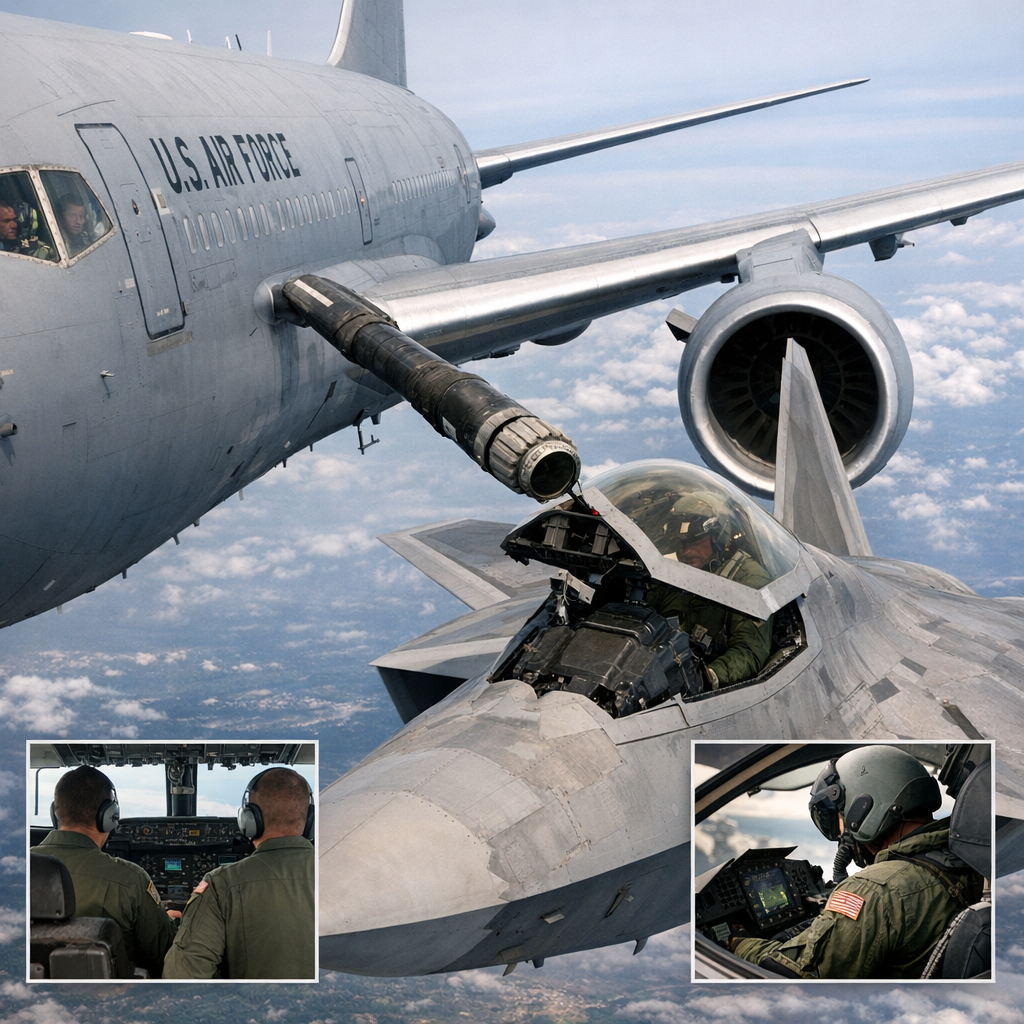
An Air Force investigation has concluded that a midair refueling mishap involving a KC-46A Pegasus tanker and an F-22 Raptor was caused by a combination of human errors on both aircraft, according to reporting by Military Times in its article titled “KC-46A boom mishap caused by operator and F-22 pilot errors, investigation finds.”
The incident, which occurred during a routine aerial refueling operation, resulted in damage to both the tanker’s refueling boom and the receiving fighter aircraft. While no fatalities were reported, the event has raised renewed concerns about procedural discipline and coordination during one of military aviation’s most complex maneuvers.
According to the investigation’s findings, the KC-46A’s boom operator deviated from established procedures while guiding the refueling boom toward the F-22, contributing to unsafe contact between the aircraft. At the same time, the F-22 Raptor pilot was found to have made errors in maintaining proper positioning relative to the tanker, compounding the risk during the operation. Investigators determined that the combined lapses created conditions that led to the mishap.
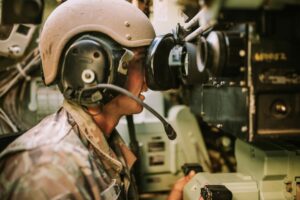
The report underscores the precision required during aerial refueling, where even minor deviations in positioning, communication, or timing can have significant consequences. The KC-46A Pegasus relies on a remotely operated boom system controlled by an operator viewing the process through cameras rather than direct line of sight, a design that has drawn scrutiny in previous incidents and evaluations. Meanwhile, the receiving aircraft must maintain a stable formation in close proximity to the tanker, often under challenging flight conditions.
Military Times reported that the investigation did not attribute the incident to mechanical failure, focusing instead on human performance and procedural adherence. Contributing factors included breakdowns in coordination and situational awareness between the two crews.
The Air Force has been working to refine training and operational procedures for the KC-46A since its introduction, as the aircraft has experienced a series of technical and operational challenges noted in reviews such as those by the Government Accountability Office. While the Pegasus is intended to modernize the service’s aerial refueling fleet, incidents like this highlight the ongoing adjustments required as crews gain experience with the platform.
Officials have indicated that lessons learned from the investigation will be incorporated into updated training protocols and guidance for both tanker crews and receiving aircraft pilots. The goal is to reduce the likelihood of similar incidents and reinforce the standards required for safe refueling operations.
The findings add to a broader pattern of scrutiny surrounding aerial refueling safety, particularly as newer systems and aircraft are integrated into complex joint operations. As Military Times noted in its coverage, the incident reflects not a single point of failure but the cumulative effect of small errors in a high-stakes environment where margins for error are minimal.