NATO Raises Alarm Over Russia Shadow Fleet
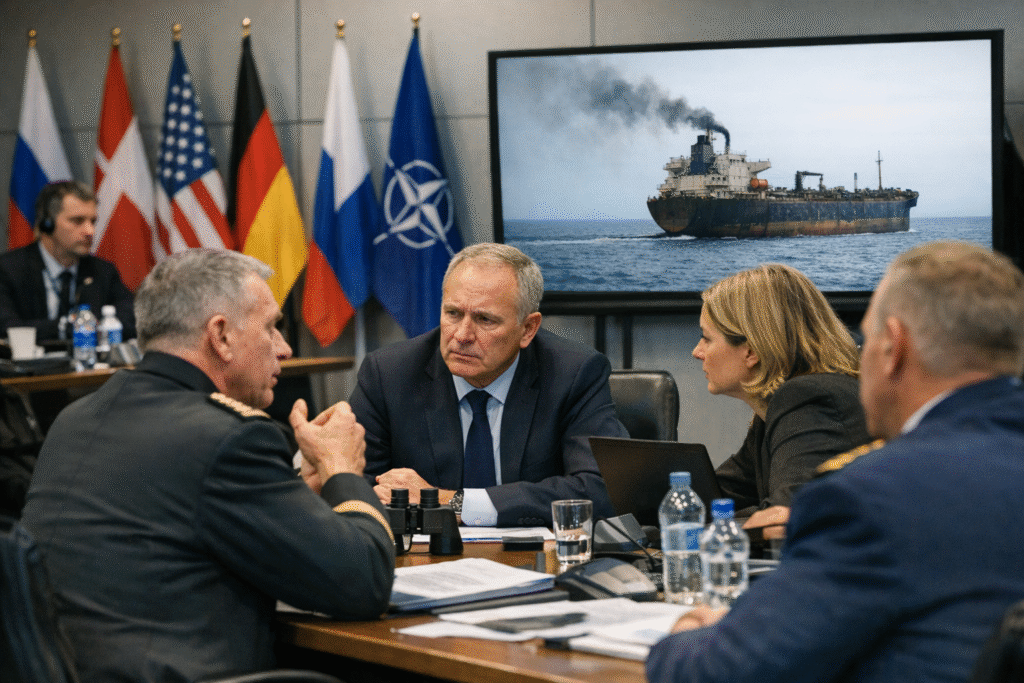
Officials and experts gathered at NATO headquarters in Brussels to examine the growing challenge posed by what is often described as Russia’s “shadow fleet,” a network of vessels used to circumvent sanctions and sustain critical exports. The discussions, reported by the NATO website in its article “NATO Headquarters hosts discussions about Russia’s shadow fleet,” underscored mounting concern among allies over the implications for global trade, maritime security, and the enforcement of international restrictions on Moscow.
According to the report, participants focused on how this loosely regulated fleet operates across international waters, often employing opaque ownership structures, flag switching, and ship-to-ship transfers to obscure the origin of cargo, particularly oil. Such practices have enabled Russia to continue moving significant volumes of energy products despite Western sanctions imposed following its war in Ukraine.
Speakers at the Brussels meeting highlighted the broader risks associated with these activities. Beyond sanctions evasion, the shadow fleet was described as raising environmental and safety concerns, as older vessels with uncertain maintenance records are increasingly used in complex transfer operations. Officials warned that accidents or spills involving such ships could have serious consequences for coastal states and key maritime routes.
The discussions also reflected a growing recognition within NATO that the issue extends beyond economic enforcement into the realm of security. The use of deceptive shipping practices, officials argued, can blur the line between commercial and strategic activities, complicating monitoring efforts and potentially masking other forms of malign behavior.
NATO representatives emphasized the importance of enhanced information sharing, improved tracking capabilities, and closer cooperation with international partners and the private sector to address the challenge. While the alliance does not enforce sanctions directly, it plays a role in fostering coordination among member states and supporting maritime situational awareness.
The meeting in Brussels signals that concern over Russia’s shadow fleet is becoming more prominent within transatlantic security discussions. As the war in Ukraine continues and sanctions remain a central policy tool, policymakers appear increasingly focused on closing gaps that allow such networks to operate, while balancing the complexities of international maritime law and global energy markets.