Ex-Obama Adviser Slams Trump Team, Gaza Crisis
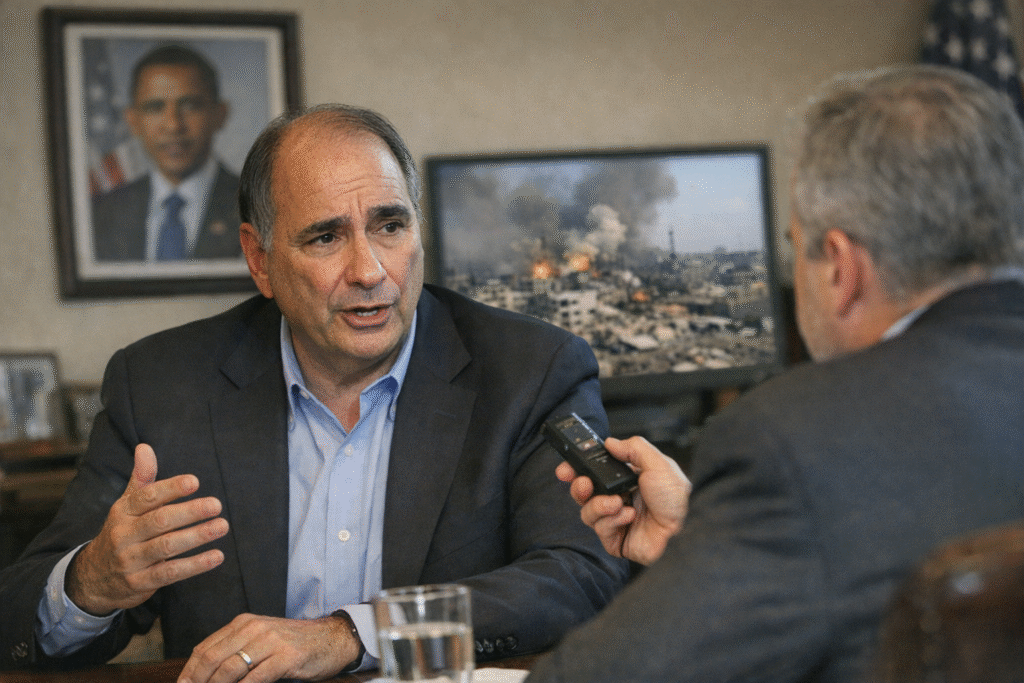
A former senior adviser on Iran policy during the Obama and Biden administrations has raised concerns about the depth of expertise surrounding former President Donald Trump’s approach to foreign policy, while also sharply criticizing the humanitarian situation in Gaza, according to a report published by the Washington Free Beacon titled “Obama-Biden Iran Negotiator Says Trump Doesn’t Have Enough Experts, Bemoans Genocide in Gaza.”
The official, who played a key role in nuclear negotiations with Iran, argued that Trump’s current policy team lacks the experienced personnel necessary to handle complex international challenges, particularly in volatile regions such as the Middle East. The comments reflect an ongoing debate in Washington over how best to structure foreign policy teams and the extent to which experience in government is essential to managing crises abroad.
According to the report, the negotiator suggested that previous administrations invested heavily in specialized expertise, particularly on Iran and regional dynamics, whereas Trump’s approach has relied more heavily on a smaller circle of advisers. Critics of that approach argue that insufficient staffing and expertise can limit strategic flexibility and reduce the government’s ability to respond effectively to rapidly evolving geopolitical developments.
The remarks also extended to the ongoing conflict in Gaza, where the former official described the humanitarian conditions in stark terms, characterizing the situation as catastrophic and expressing alarm at civilian suffering. Such language underscores the intensity of disagreement among U.S. policymakers and analysts over how to assess and respond to the conflict, especially as civilian casualties and infrastructure damage continue to mount.
The use of the term “genocide,” as cited in the Washington Free Beacon article, reflects a highly charged and contested characterization of the conflict. Legal scholars, policymakers, and international organizations remain divided on the applicability of that label, with ongoing debates centered on definitions under international law and the evidentiary thresholds required to support such a claim.
The comments come amid broader scrutiny of U.S. foreign policy direction, particularly as the country navigates simultaneous crises involving Iran, Israel, and broader regional security concerns. The contrast between administrations highlighted in the report speaks to a larger divide in Washington over the balance between ideological alignment, diplomatic engagement, and technical expertise in shaping foreign policy.
As political leaders and policy experts continue to weigh competing priorities, the discussion reflects enduring tensions over how best to project U.S. influence abroad while responding to humanitarian crises and maintaining strategic stability in the Middle East.