NATO Ministers Set Agenda for Ankara Summit
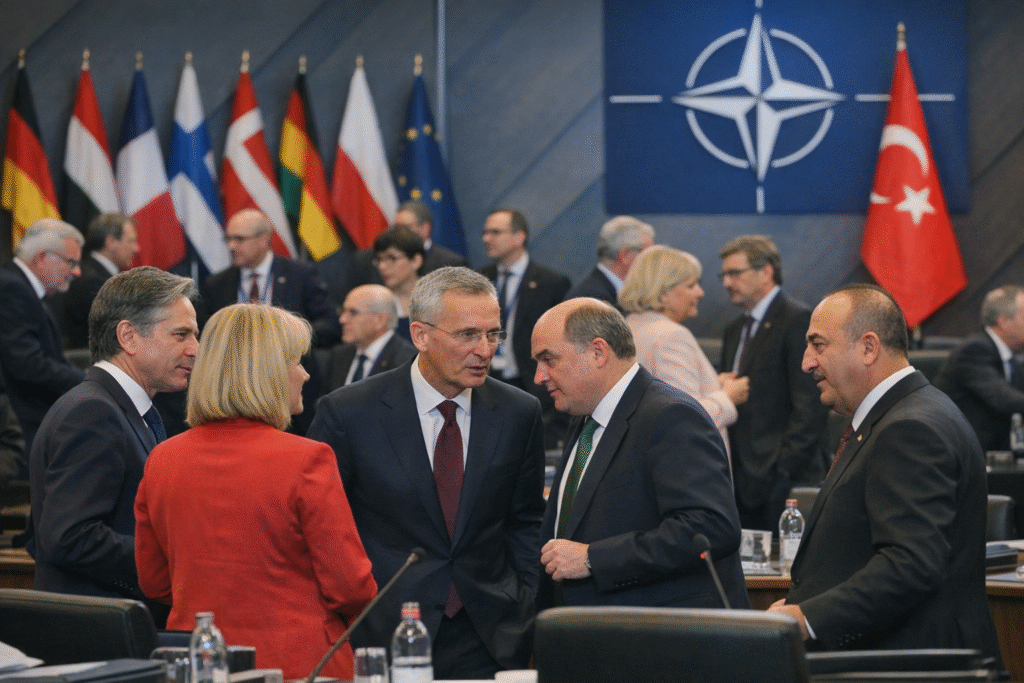
NATO foreign ministers concluded a round of preparatory talks ahead of the Alliance’s upcoming summit in Ankara, signaling a continued focus on collective defense, burden sharing, and long-term support for Ukraine. The discussions, held in Helsingborg, Sweden, brought together senior diplomats to refine the agenda and align priorities before heads of state convene in Turkey later this year.
According to the article “NATO foreign ministers wrap up preparations for Ankara Summit in Helsingborg,” published on NATO’s official website, NATO.int, the meeting centered on strengthening deterrence and defense posture while adapting to an increasingly complex security environment. Ministers reviewed ongoing efforts to modernize NATO’s force structure, improve readiness, and enhance industrial capacity to sustain prolonged military commitments.
A central theme of the talks was continued support for Ukraine. Allies reaffirmed their intention to provide military assistance, training, and financial aid, while also coordinating long-term strategies to ensure Kyiv can defend its sovereignty. Officials emphasized that this support is not only about the immediate conflict but also about reinforcing broader Euro-Atlantic security.
Burden sharing remained a significant topic, with ministers assessing progress toward meeting defense spending commitments. While NATO has reported incremental gains in member contributions, discussions in Helsingborg reflected persistent concerns over equitable responsibility, particularly as demands on the Alliance expand. The upcoming Ankara summit is expected to include renewed pledges to meet or exceed spending benchmarks.
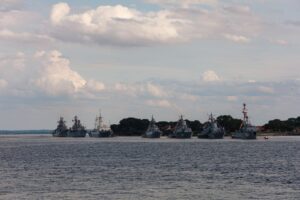
The ministers also addressed emerging threats, including cyberattacks, disinformation campaigns, and challenges in the Arctic and Baltic regions. With Sweden now more closely integrated into NATO structures, regional security coordination was a notable focus of the Helsingborg meeting. Officials underscored the importance of interoperability and rapid response capabilities along NATO’s northern and eastern flanks.
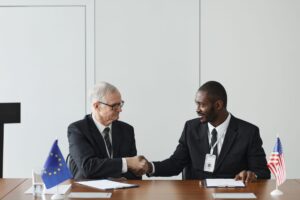
Another key area of discussion involved partnerships beyond NATO’s borders. Ministers examined opportunities to deepen cooperation with Indo-Pacific partners and strengthen ties with the European Union. These efforts reflect a broader strategic shift toward addressing global security challenges that extend beyond the traditional Euro-Atlantic sphere.
The Helsingborg meeting served as a final opportunity for ministers to reconcile differences and solidify a unified approach before the Ankara summit. Diplomatic sources indicated that while core priorities are largely aligned, ongoing negotiations will continue in the lead-up to the summit, particularly regarding long-term funding mechanisms and the scale of future military commitments.
As outlined in NATO.int’s coverage, the tone of the meeting suggested cautious consensus rather than sweeping breakthroughs. The Ankara summit is expected to formalize many of the initiatives discussed, providing clearer direction for the Alliance at a time of sustained geopolitical tension and evolving threats.