NATO Elevates Medical Readiness as a Strategic Pillar of Defense and Collective Security
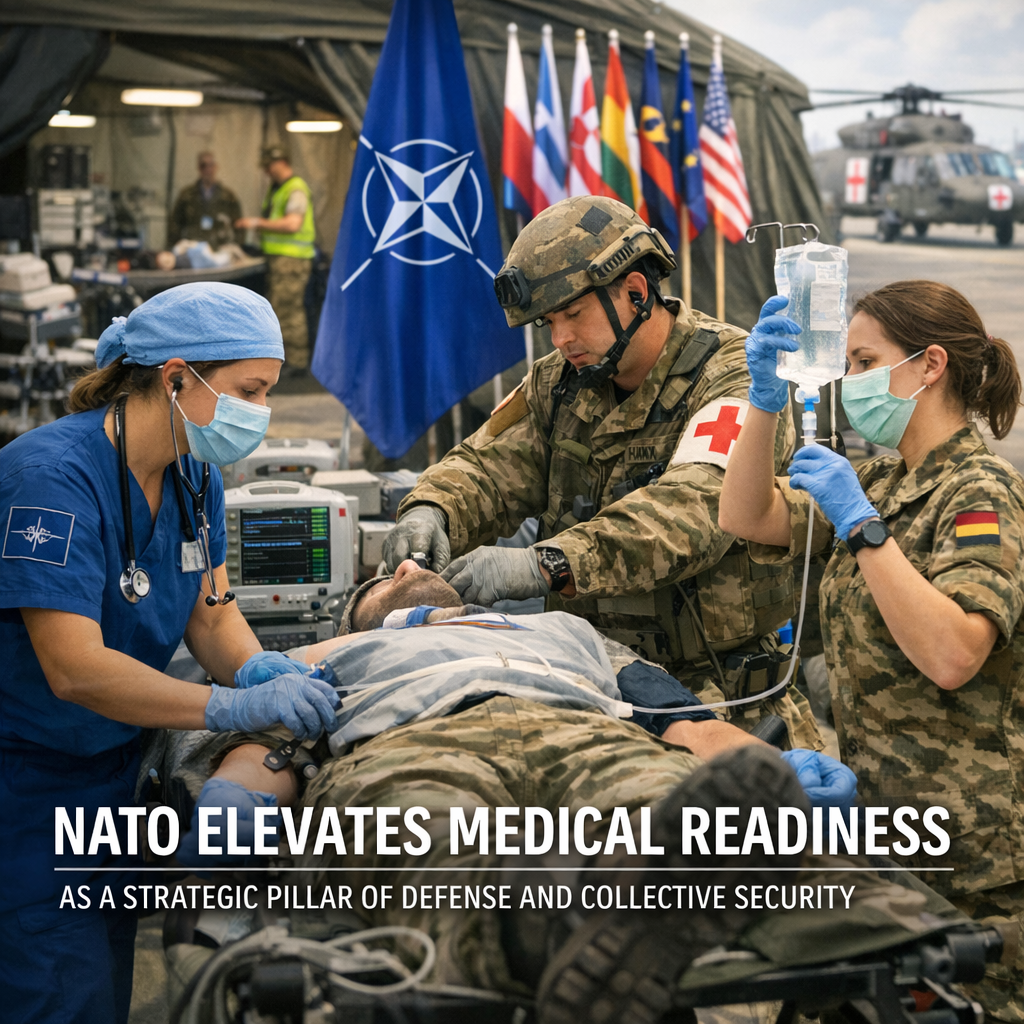
NATO’s senior military medical officials have underscored the growing strategic importance of healthcare preparedness in modern defense planning, warning that medical readiness must be treated as a core component of both national resilience and collective security.
In an article titled “NATO COMEDS 65th plenary: medical readiness, an important part of national and collective security,” published on NATO’s official website, the alliance detailed discussions from the 65th plenary meeting of the Committee of the Chiefs of Military Medical Services in NATO (COMEDS). The gathering brought together senior medical leaders from allied and partner nations to assess evolving risks and identify priorities for strengthening medical support across NATO forces.
Participants emphasized that recent conflicts and crises have reinforced the need for robust, adaptable military healthcare systems capable of operating in contested environments. Lessons drawn from ongoing warfighting conditions, including large-scale, high-intensity combat scenarios, were central to the deliberations. Officials highlighted the increasing complexity of providing care in such environments, where evacuation chains, supply lines, and medical infrastructure may be under direct threat.
The article notes that COMEDS members stressed interoperability as a key requirement for effective multinational operations. Ensuring that allied medical services can work seamlessly together—sharing standards, procedures, and capabilities—was described as essential to maintaining operational effectiveness. This includes common approaches to trauma care, medical evacuation, and the integration of new technologies.
Another focal point of the plenary was resilience against emerging threats, including chemical, biological, radiological, and nuclear risks, as well as the growing intersection between health security and broader defense concerns. Delegates discussed how military medical services must be prepared not only for battlefield injuries but also for complex public health emergencies that can affect both forces and civilian populations.
The NATO article also highlighted ongoing efforts to modernize training and enhance readiness through multinational exercises and cooperation with civilian healthcare systems. Strengthening partnerships beyond the military sphere was presented as a critical step in ensuring continuity of care during large-scale crises.
Senior officials at the meeting framed medical readiness not as a supporting function but as a fundamental enabler of military capability. Without effective medical support, they argued, the sustainability of deployments and the credibility of deterrence and defense could be compromised.
As global security challenges continue to evolve, NATO’s medical leadership signaled that investment in healthcare capabilities will remain a central pillar of defense planning. The COMEDS plenary concluded with a reaffirmation of the alliance’s commitment to improving coordination, resilience, and preparedness across its medical services.