Hidden Fault Lines in the Iran Nuclear Deal Spark Renewed Debate
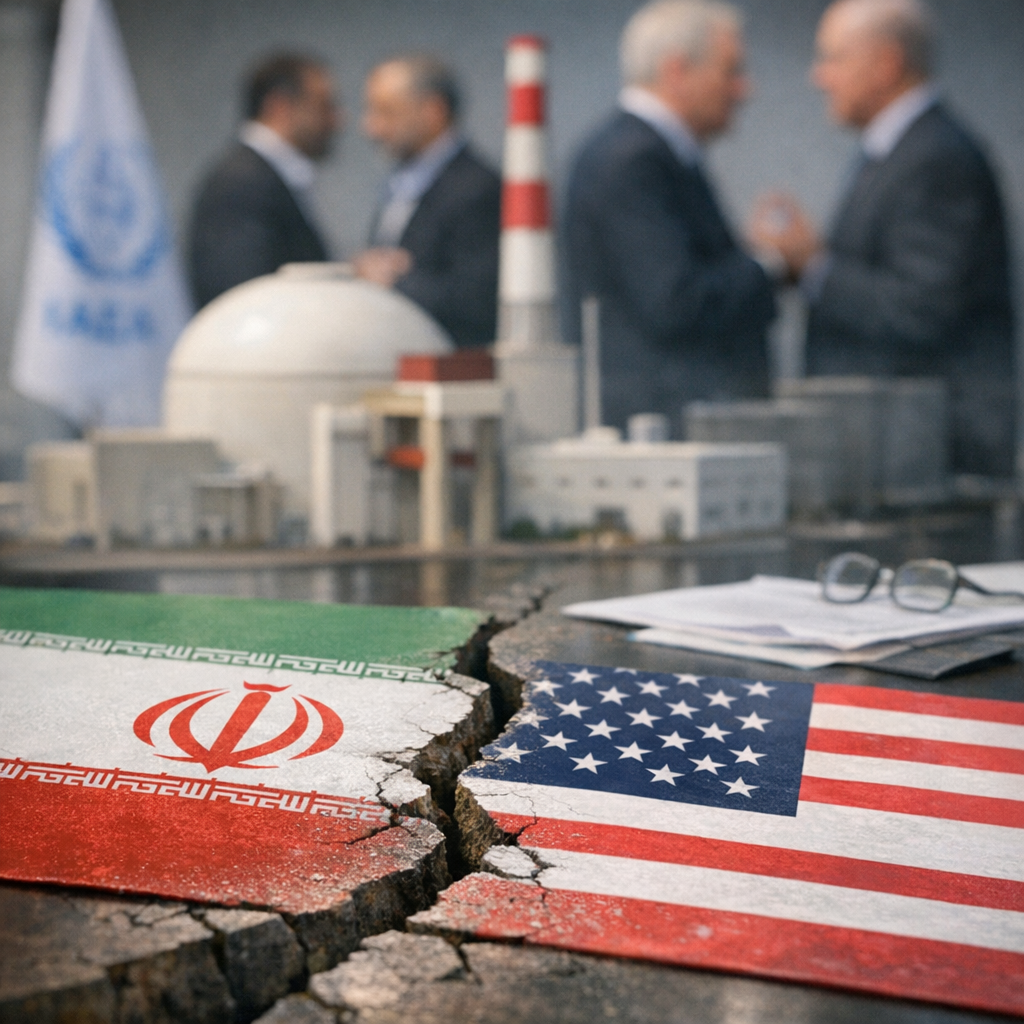
A recent article published by The Daily Wire, titled “The Iran Deal’s Biggest Secret”, brings renewed attention to longstanding concerns surrounding the international agreement aimed at curbing Iran’s nuclear program, raising questions about transparency, strategic concessions, and the broader implications for U.S. foreign policy.
According to the report, the central issue lies not simply in the publicly debated terms of the agreement but in what the article characterizes as underexamined or insufficiently disclosed aspects of its implementation. The piece argues that key elements of the deal, including enforcement mechanisms and side arrangements, have not received the same level of scrutiny as headline provisions such as uranium enrichment limits or inspection protocols established under the International Atomic Energy Agency’s Iran safeguards framework.
The Daily Wire article suggests that this alleged lack of transparency may have contributed to a gap between public understanding and the practical realities of the agreement. It contends that certain provisions, particularly those involving timelines, access for international inspectors, and financial arrangements, were either minimized or framed in ways that obscured their long-term strategic impact, despite documentation available in summaries of the Joint Comprehensive Plan of Action (JCPOA).
Critics cited in the article express concern that the deal may have afforded Iran economic and geopolitical benefits without imposing restrictions robust enough to prevent future nuclear development. The report emphasizes the argument that sunset clauses and phased limitations could allow Iran to resume advanced nuclear activities after a defined period, a concern frequently analyzed in detail by the Congressional Research Service.
At the same time, supporters of the agreement, though less prominently featured in the article, have historically maintained that the deal represented the most effective available mechanism to delay Iran’s nuclear progress, create verification pathways, and reduce the immediate risk of conflict. Analysts at institutions such as the Brookings Institution have argued that even imperfect oversight is preferable to the absence of any structured agreement, emphasizing the role of diplomacy in nonproliferation.
The Daily Wire’s reporting fits within a broader and ongoing debate about the legacy and effectiveness of the Iran nuclear deal. Since its inception, policymakers, analysts, and international observers have differed sharply on whether the agreement enhanced global security or merely postponed a more serious confrontation, a debate also reflected in coverage by Reuters.
By framing its analysis around what it describes as the deal’s “biggest secret,” the article underscores a persistent concern in foreign policy discourse: that complex international agreements can carry layers of technical detail and diplomatic compromise that remain opaque to the public, even as their consequences unfold over decades.
As tensions in the Middle East continue and questions about nuclear proliferation remain unresolved, the issues raised in the article highlight the importance of transparency, rigorous oversight, and informed public debate in shaping U.S. engagement on the global stage.