Is Wartime Sexual Violence Seen as Inevitable?
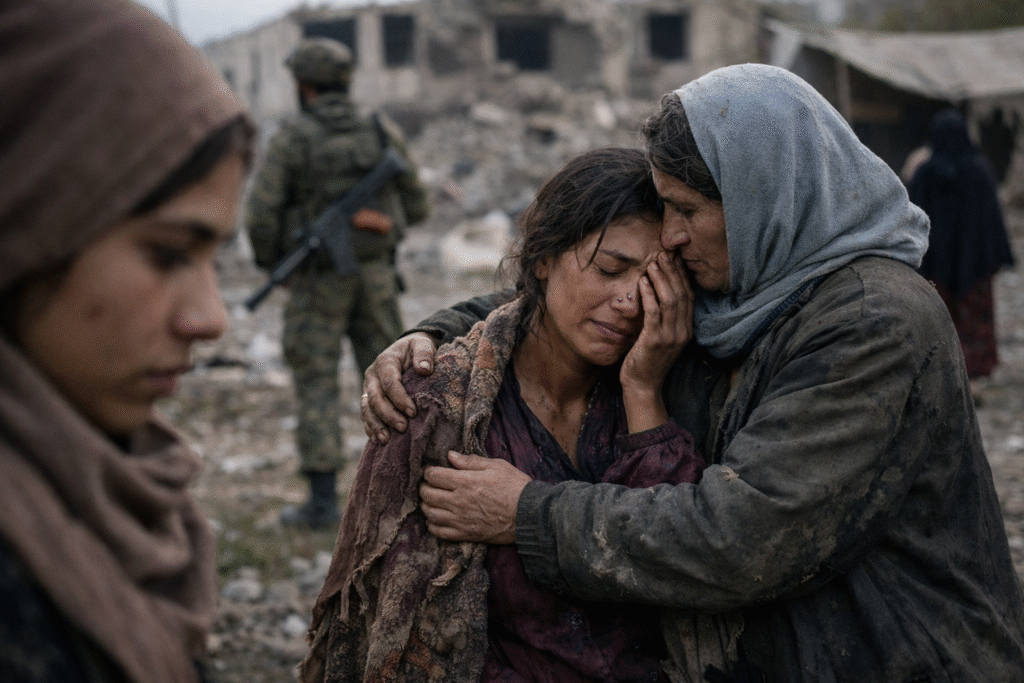
A recent essay titled “Rape Is Just Part of War: What Happened,” published on the Substack platform, has renewed debate over the persistence of sexual violence in armed conflict and how it is framed by policymakers, commentators, and the public. The piece examines the historical frequency of wartime sexual violence and questions whether describing it as an inevitable feature of conflict risks normalizing or excusing it.
Drawing on historical examples, the article argues that sexual violence has appeared across conflicts in different regions and eras, often accompanying breakdowns in discipline, failures of command responsibility, or deliberate strategies of terror. It contends that while scholars and military institutions increasingly recognize such acts as violations of international law, public discourse sometimes drifts toward fatalism, treating these crimes as unavoidable byproducts of war rather than preventable offenses.
The author also highlights a tension between acknowledging the widespread nature of wartime rape and maintaining accountability. On one hand, recognizing patterns across conflicts can help investigators, historians, and courts establish that such acts are not isolated incidents. On the other, the article warns that language suggesting inevitability may weaken the urgency of prevention and prosecution, particularly when political leaders or military officials seek to minimize reputational damage.
International humanitarian law explicitly prohibits sexual violence, classifying it as a war crime and, in certain circumstances, a crime against humanity or an act of genocide. Over the past decades, tribunals addressing conflicts in the former Yugoslavia and Rwanda have established legal precedents, while the International Criminal Court has pursued cases involving sexual violence. Despite these advancements, enforcement remains inconsistent, and prosecutions often face evidentiary challenges, stigma, and political resistance.
The Substack essay further examines how narratives around wartime conduct are shaped by strategic communication. Governments and armed groups have incentives to highlight or obscure particular abuses depending on their objectives, while media coverage can influence international responses. The author suggests that greater clarity in language—emphasizing responsibility and preventability—may play a role in strengthening norms against such conduct.
Experts in conflict studies broadly agree that command structure, training, discipline, and accountability mechanisms significantly affect the prevalence of sexual violence in armed forces and militias. Programs aimed at prevention typically include clearer rules of engagement, stronger oversight, and consequences for violations. However, implementation varies widely, especially in irregular or fragmented conflicts.
The discussion prompted by “Rape Is Just Part of War: What Happened” reflects a broader challenge in addressing wartime abuses: balancing acknowledgment of historical realities with a commitment to legal and moral standards that reject those abuses as unavoidable. As conflicts continue in multiple regions, the way such issues are framed remains central to both public understanding and policy responses.