Iran’s Theology of Resistance and Regional Strategy
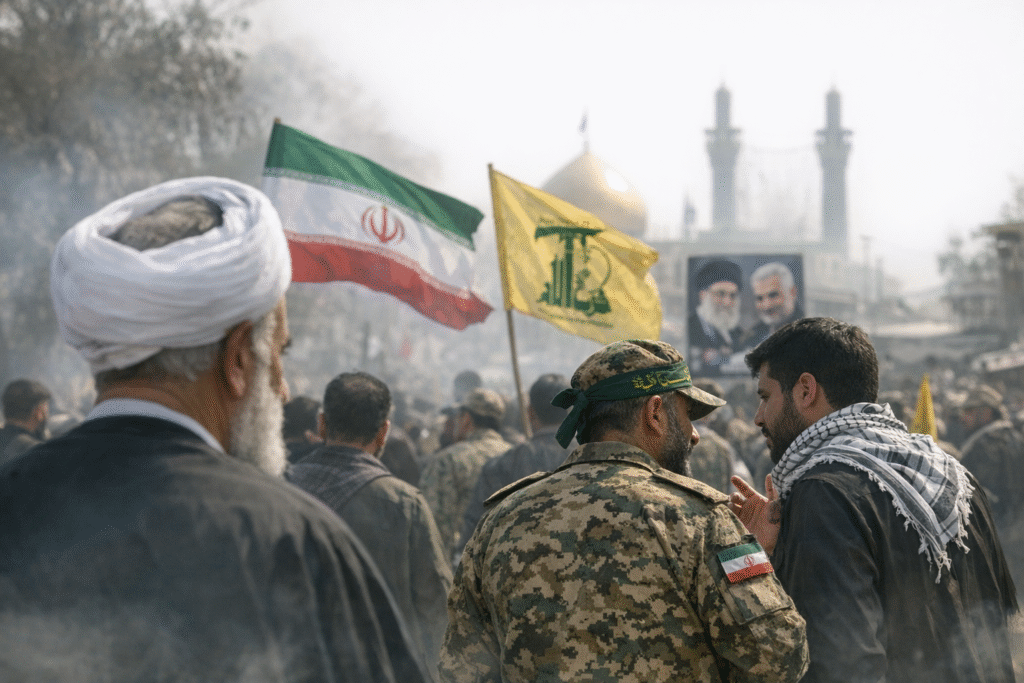
A recent essay published on the Substack platform by analyst Andrew Fox, titled “The Theology of Resistance: How Iran…,” examines the ideological foundations underpinning Iran’s regional strategy, arguing that the Islamic Republic’s approach to conflict is shaped as much by religious doctrine as by conventional geopolitics.
Fox’s article contends that Iran’s concept of “resistance” is not merely a political slogan but a deeply embedded theological framework rooted in Shiite Islam. Central to this worldview is the narrative of martyrdom, particularly the 7th-century death of Imam Hussein at Karbala, which has long served as a symbolic touchstone for resistance against perceived ظلم, or injustice. According to the analysis, Iranian leadership has incorporated this narrative into statecraft, framing modern conflicts as moral struggles rather than purely strategic contests.
The piece emphasizes how this outlook influences Iran’s support for non-state actors across the Middle East. Groups such as Hezbollah in Lebanon and various militias in Iraq and Syria are not only tactical allies but are also presented within this framework as participants in a broader, sacred struggle. Fox argues that this helps sustain long-term commitment and resilience among these groups, even in the face of significant losses.
The article further suggests that Western policymakers often underestimate the significance of this ideological component, tending instead to view Iran’s actions through a conventional lens of power politics. By doing so, Fox writes, they risk misinterpreting Iran’s tolerance for attrition and its willingness to engage in protracted conflicts. The theological dimension, he argues, provides both justification and endurance, allowing Iranian strategy to persist where more materially driven approaches might falter.
Fox also addresses how this doctrine is communicated domestically and internationally. Iranian leaders frequently invoke religious imagery and language in speeches and media, reinforcing the idea that political struggles are inseparable from spiritual duty. This messaging, the article notes, serves to unify supporters and legitimize ongoing engagement in regional conflicts.
At the same time, the analysis acknowledges that Iran’s leadership balances ideology with pragmatic considerations. While theology shapes the narrative and long-term direction, tactical decisions often reflect calculated assessments of risk, opportunity, and resource constraints. This duality, Fox argues, makes Iran’s behavior complex and sometimes difficult for external observers to predict.
The article concludes that understanding Iran’s theological framing of resistance is essential for interpreting its actions and anticipating its future moves. Without accounting for this dimension, Fox suggests, policymakers may continue to misread signals and misjudge the durability of Iran’s regional strategy.
Published on Substack, “The Theology of Resistance: How Iran…” contributes to ongoing debates about the role of ideology in international relations, highlighting the extent to which belief systems can influence state behavior in ways that transcend conventional strategic logic.