Delayed US Arms Deliveries Raise Alarms Over Defense Capacity and Global Influence
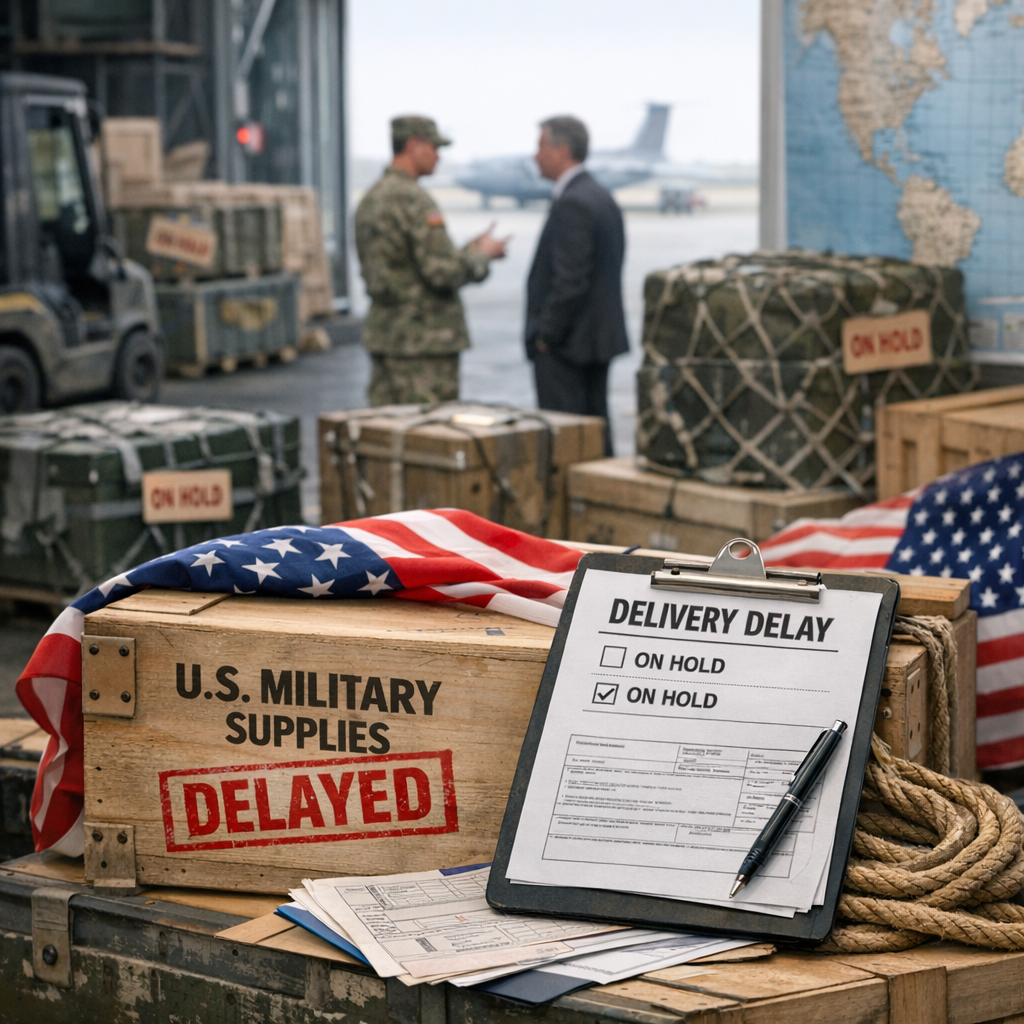
A recent report by Breaking Defense, titled “3 things to know about delayed US arms sales to allies,” highlights growing concern among U.S. partners over persistent slowdowns in the delivery of approved military equipment, underscoring the intersection of bureaucratic hurdles, industrial constraints, and shifting strategic priorities.
The backlog in foreign military sales has become increasingly visible as allies in Europe, the Middle East, and the Indo-Pacific seek to modernize their forces amid heightened security challenges. According to the Breaking Defense analysis, one of the central issues is the mismatch between demand and the current capacity of the U.S. defense industrial base. Years of underinvestment in production infrastructure, combined with the surge in weapons transfers tied to ongoing conflicts such as Ukraine, have placed unprecedented strain on supply chains.
The article points out that even when arms sales are approved relatively quickly through Washington’s political and legal processes, actual delivery timelines can stretch for years. This lag is particularly problematic for countries attempting to respond to near-term threats. In some cases, allies have begun exploring alternative suppliers, raising concerns in Washington about long-term interoperability and influence.
Another factor identified by Breaking Defense is the complexity of the U.S. foreign military sales system itself. While designed to ensure oversight and alignment with U.S. strategic interests, the process involves multiple agencies and layers of review, which can slow execution. Lawmakers and defense officials have acknowledged these inefficiencies, and there is growing bipartisan interest in reforming acquisition and export procedures to make them more responsive without sacrificing accountability.
The report also emphasizes the strategic consequences of these delays. Timely arms deliveries are not only a matter of commercial transactions but also a key instrument of U.S. foreign policy. When delivery schedules slip, it can weaken deterrence, complicate coalition planning, and create openings for competitors. The article notes that countries such as China are increasingly positioning themselves as alternative arms suppliers, often offering faster timelines and fewer political conditions, as reflected in global arms transfer data from SIPRI.
Efforts to address the issue are underway, including initiatives to expand production capacity, streamline export approvals, and prioritize deliveries to frontline allies, consistent with recent U.S. Department of Defense industrial base strategies. However, Breaking Defense suggests that meaningful change will require sustained investment and structural reform, rather than short-term fixes.
As global security dynamics continue to evolve, the ability of the United States to deliver on its arms commitments is likely to remain a critical test of its reliability as a defense partner. The concerns outlined in “3 things to know about delayed US arms sales to allies” reflect a broader debate about how Washington balances oversight, industrial readiness, and strategic urgency in an increasingly contested world, a challenge also examined in analyses by the Center for Strategic and International Studies.