Hormuz Weak Spot Exposes Gaps in US Defense Posture
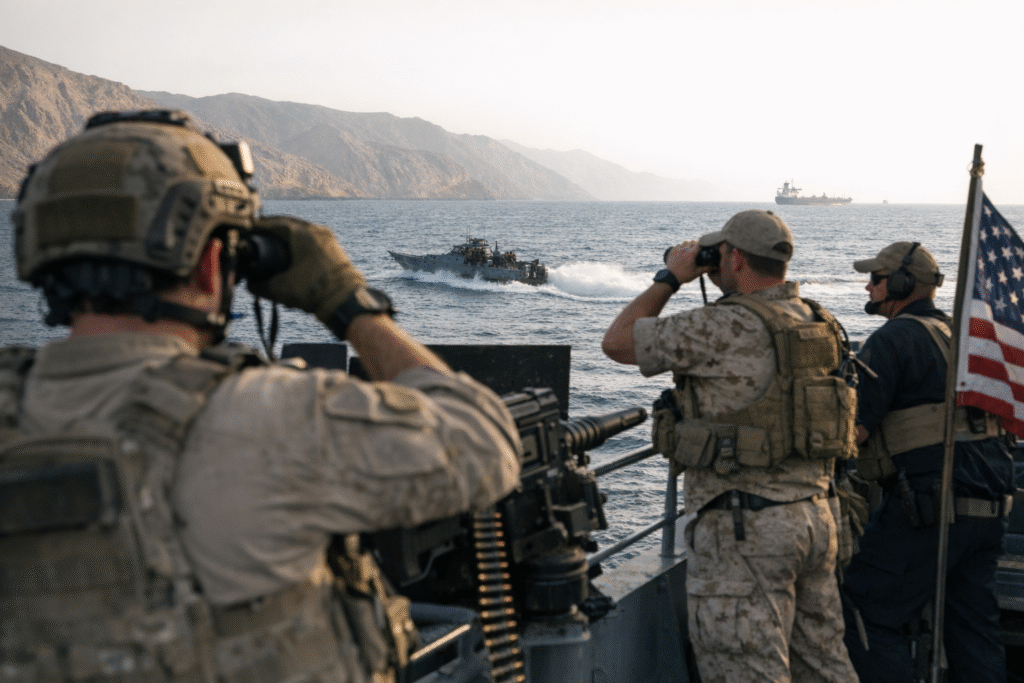
A recent analysis published by DefenseScoop under the headline “Hormuz and the defense posture we don’t have” has sharpened attention on a persistent vulnerability at the heart of global energy security: the limited readiness of the United States and its partners to respond to a sustained disruption in the Strait of Hormuz.
The piece argues that while the U.S. military maintains a significant presence in the region, its current posture is not optimized for the kind of prolonged, asymmetric conflict that would likely characterize an attempt to close or destabilize the narrow maritime corridor. Roughly a fifth of the world’s oil supply transits the strait, making it one of the most strategically consequential chokepoints in the global economy.
According to DefenseScoop’s analysis, the challenge is not a lack of awareness of the risk but a mismatch between existing force structure and the operational demands of keeping the passage open under contested conditions. Traditional naval dominance, centered on large surface combatants and carrier strike groups, may be less effective against threats such as naval mines, swarming fast-attack craft, drones, and land-based missile systems deployed by Iran or its proxies.
The article suggests that a credible defense of the strait would require a more distributed and resilient approach. This would include expanded mine countermeasure capabilities, greater use of unmanned systems, and more robust cooperation with regional partners. Yet progress in these areas has been uneven, and in some cases constrained by budget priorities and competing global commitments.
DefenseScoop also points to the risk of complacency. Periods of relative calm in the Gulf have historically been punctuated by sudden escalations, including tanker seizures and attacks on commercial shipping. In such scenarios, even short-lived disruptions can have outsized economic and political consequences, driving up energy prices and straining international supply chains.
Complicating matters further is the evolving nature of deterrence in the region. The presence of advanced U.S. assets has traditionally been seen as a stabilizing factor, but adversaries have adapted, investing in capabilities designed to exploit perceived gaps. The result, as described in “Hormuz and the defense posture we don’t have,” is a strategic environment in which the United States retains significant القوة but may lack the specific tools and configurations needed for the most likely contingencies.
The article underscores the importance of rethinking not just platforms but concepts of operation. Ensuring freedom of navigation in the Strait of Hormuz may depend less on overwhelming force projection and more on persistent surveillance, rapid response, and the ability to operate effectively in degraded or contested environments.
Ultimately, the DefenseScoop analysis frames the issue as a test of strategic alignment. Protecting a critical global artery requires sustained investment, clear prioritization, and close coordination with allies. Without these, the gap between U.S. capabilities and mission requirements could widen at a moment when the stakes are unusually high.