The Lasting Imprint of Witnessed Violence
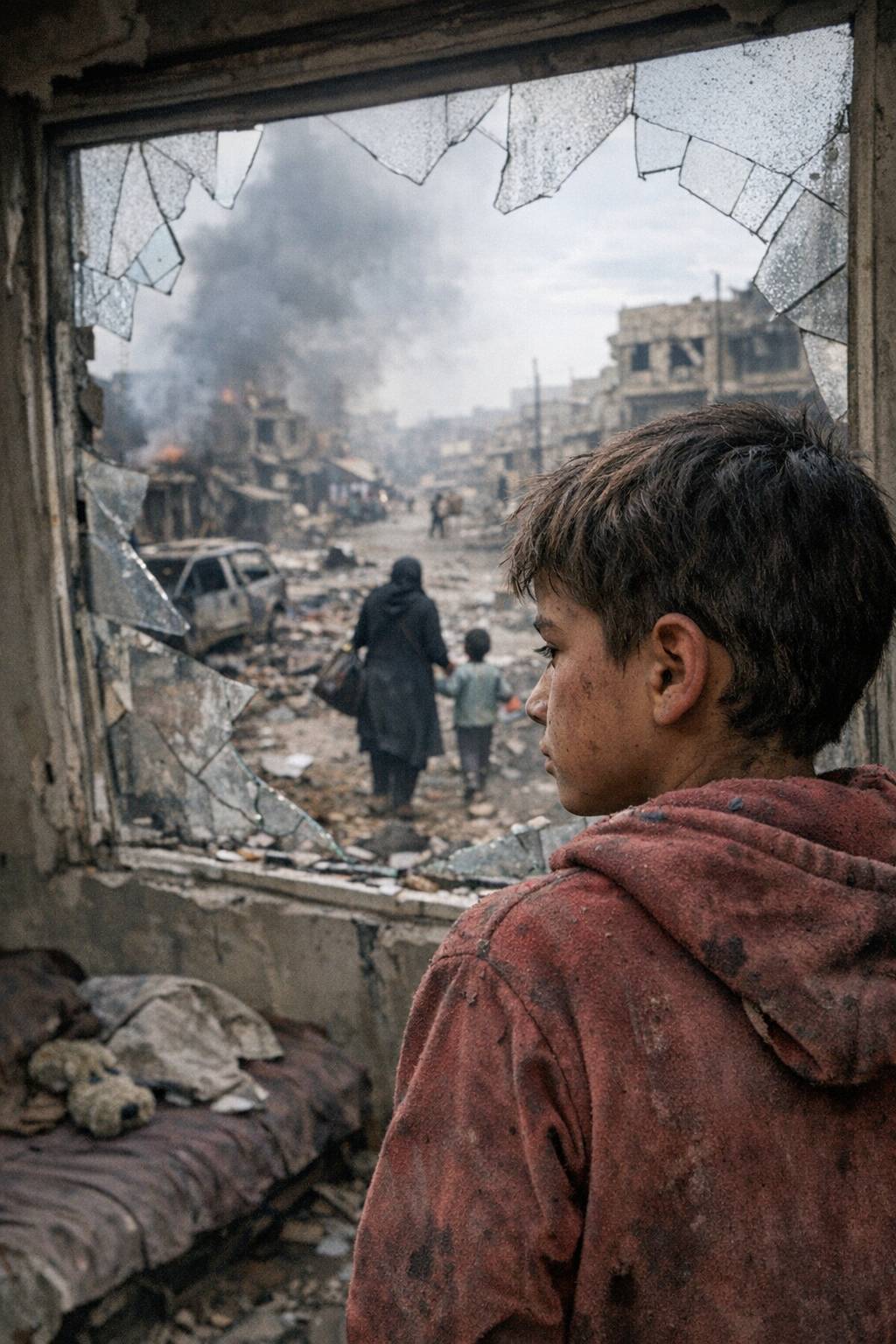
In a recent essay titled “The Things I Cannot Unsee,” published on Substack, commentator Andrew Fox reflects on the enduring psychological impact of exposure to violence, focusing less on geopolitics than on the personal cost of witnessing human suffering. The piece offers a stark examination of how repeated encounters with brutality—whether direct or mediated—can reshape an individual’s inner life in ways that are difficult to articulate and, in some cases, impossible to reverse.
Fox describes a form of moral and sensory imprinting that lingers long after the events themselves have passed. Rather than recounting events in a strictly chronological or reportorial manner, he emphasizes fragments: images, moments, and impressions that recur involuntarily. These memories, he suggests, do not fade easily because they resist assimilation into ordinary narratives of experience. Instead, they persist as disruptions, challenging both emotional equilibrium and previously held assumptions about the world.
Central to the essay is the idea that modern exposure to violence—particularly through digital media—creates a paradox. On one hand, it broadens public awareness and can foster empathy across distance. On the other, it risks overwhelming the capacity to process what is being seen, leading either to desensitization or to a more acute, lingering distress. Fox suggests that neither outcome is benign. The former dulls moral responsiveness, while the latter burdens individuals with a psychological weight they are often ill-equipped to carry.
He also addresses the language gap that surrounds traumatic experience. The inability to convey certain images or sensations to others contributes to a sense of isolation, even among those who may have witnessed similar events. Fox implies that this gap is not simply a failure of communication but a structural limitation: some experiences resist translation into words without losing their essential force.
While the essay is deeply personal in tone, its implications extend beyond the individual. Fox raises broader questions about how societies process collective exposure to violence, particularly in an era when images circulate rapidly and widely. He suggests that the cumulative effect of such exposure may be reshaping public consciousness in subtle but significant ways, influencing attitudes toward conflict, responsibility, and empathy.
At the same time, the piece stops short of offering solutions. Instead, it situates the reader within the unresolved tension between bearing witness and being overwhelmed by it. Fox does not argue for disengagement, but he acknowledges the cost of sustained attention to suffering, leaving open the question of how individuals and institutions might better support those who carry these unseen burdens.
“The Things I Cannot Unsee” ultimately functions as both testimony and warning. By focusing on the enduring imprint of violent imagery, Fox highlights a dimension of modern conflict that is often overlooked: not only the immediate destruction it causes, but the long-term psychological consequences for those who observe it, whether up close or from afar.