Gulf Energy Attacks Signal Risk of Wider Conflict
Escalating attacks on energy infrastructure across the Persian Gulf are reshaping the trajectory of the conflict involving Iran and its regional adversaries, raising concerns about a broader economic and military confrontation with global implications.
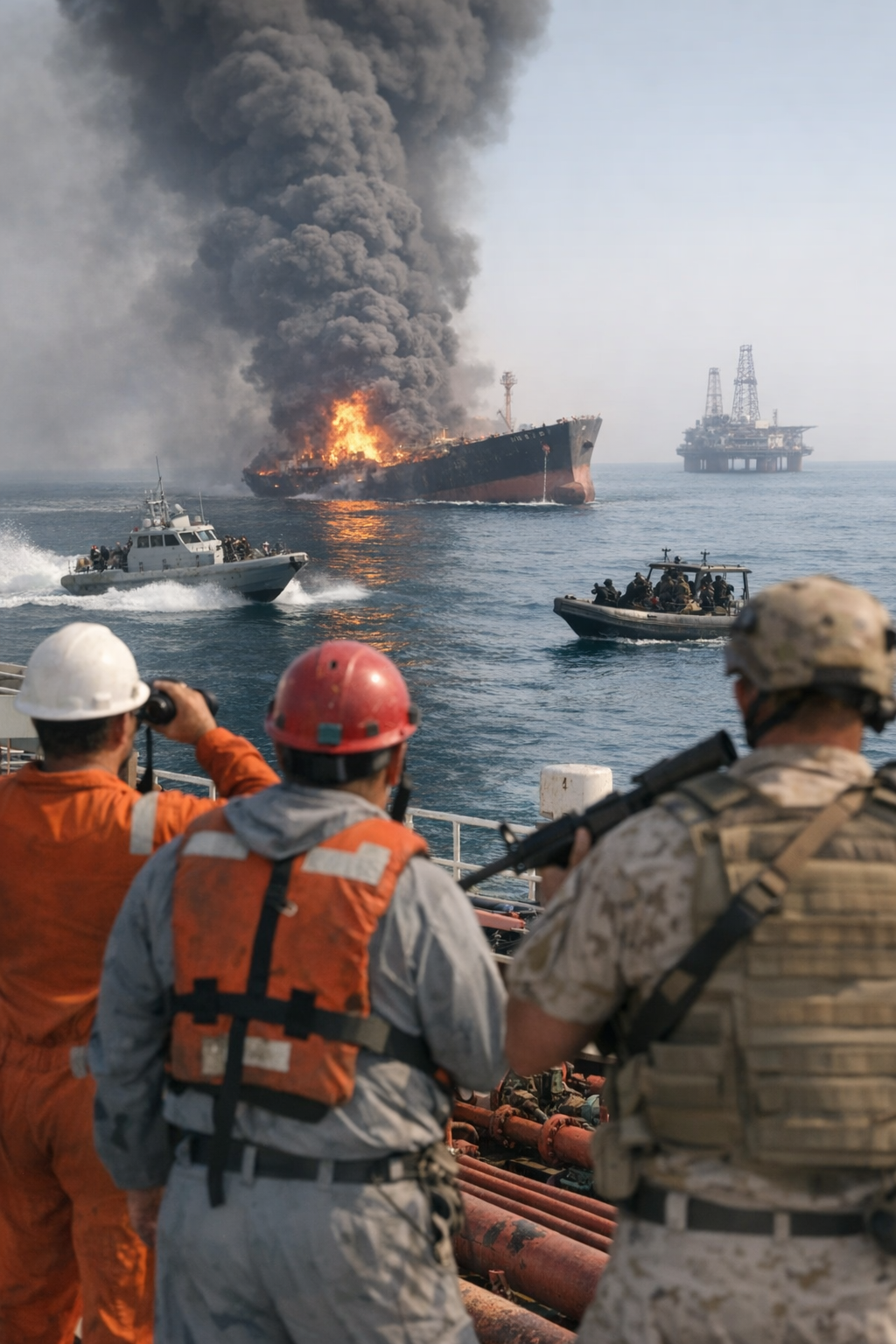
A recent Wall Street Journal report, titled “Escalating Attacks on Gulf Energy Assets Plunge Iran War Into New Phase,” describes a pattern of increasingly direct and disruptive strikes targeting oil and gas facilities, shipping lanes, and related infrastructure in key Gulf states. These developments mark a departure from earlier phases of the conflict, which had largely relied on indirect engagements and proxy forces.
According to the report, energy assets in countries such as Saudi Arabia and the United Arab Emirates have faced heightened risk, with attacks becoming more frequent and technically sophisticated. The incidents have involved drones, missiles, and maritime sabotage, reflecting a growing willingness among Iran-aligned actors to challenge critical nodes of the global energy supply chain.
The shift carries significant economic implications. The Gulf region remains central to global oil production, and even limited disruptions can reverberate through international markets, affecting prices, supply stability, and investor confidence. Analysts cited in the Wall Street Journal piece suggest that the cumulative effect of these attacks could tighten supply conditions and amplify volatility, particularly if insurers, shippers, and energy companies begin to reassess their exposure to regional risk.
Strategically, the escalation signals a recalibration of deterrence dynamics. By targeting infrastructure rather than solely military assets, Iran and its allies appear to be leveraging economic pressure as a means of shaping the conflict. This approach underscores the vulnerability of highly centralized energy systems and highlights the difficulty regional governments face in defending expansive and complex networks of facilities.
At the same time, Gulf states have been strengthening their defensive capabilities, investing in air defense systems, surveillance technologies, and coordination with international partners. The United States and other external actors continue to play a role in maritime security and intelligence-sharing, though the Wall Street Journal notes that these measures have not eliminated the threat.
The broader geopolitical context further complicates the situation. Tensions between Iran and its rivals intersect with other regional conflicts and global power rivalries, increasing the risk of miscalculation. Diplomacy has struggled to keep pace with the evolving security environment, and efforts to de-escalate have yielded limited progress.
The current phase of the conflict, as outlined in the Wall Street Journal’s reporting, suggests a more prolonged and unpredictable period ahead. Rather than decisive confrontations, the emphasis appears to be shifting toward sustained pressure through asymmetric tactics that exploit economic vulnerabilities.
For global stakeholders, the implications extend beyond the Middle East. Energy security, trade flows, and financial markets are all sensitive to instability in the Gulf. As attacks continue and responses evolve, the situation is likely to remain a key indicator of broader geopolitical risk in the months ahead.