D-Day Drama Pressure Focuses on Decisions, Not Battle
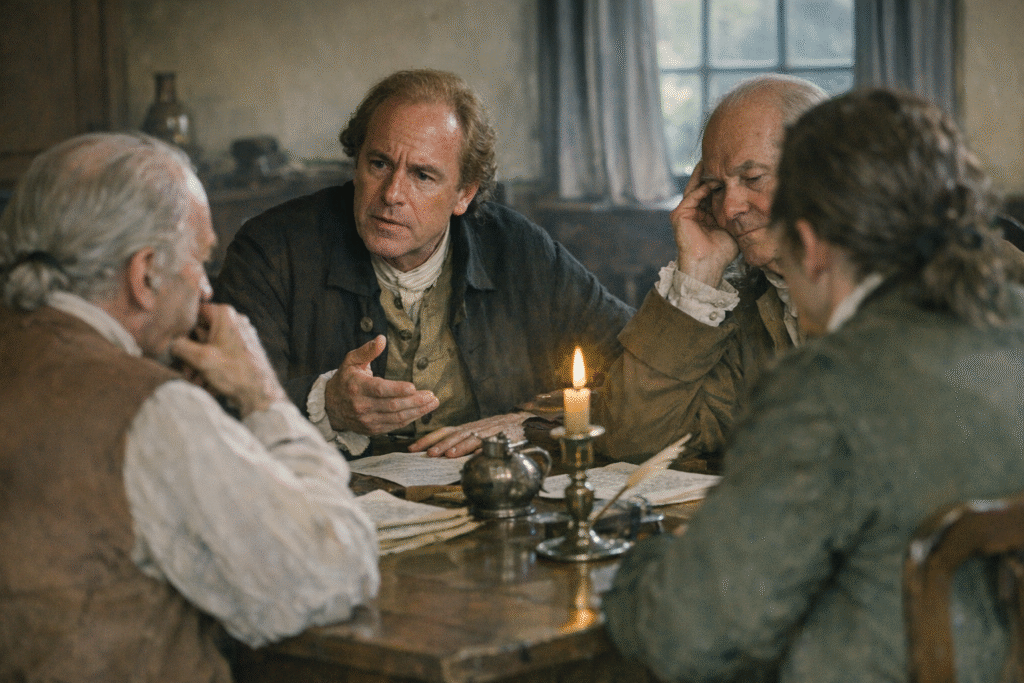
Actors and filmmakers behind the forthcoming D-Day drama Pressure are emphasizing the film’s focus on the human and technical tensions that shaped one of the most consequential military operations in modern history, according to an interview published by Military Times in its video feature, “Stars of the new D-Day movie ‘Pressure’ talk about film.”
The project centers on the Allied decision-making process in the days leading up to the June 6, 1944 invasion of Normandy, with particular attention to the meteorological forecasts that influenced whether the operation would proceed. Rather than depicting the battle itself through large-scale combat sequences, Pressure aims to portray the quiet, high-stakes deliberations among the officers and scientists tasked with determining if conditions would allow the mission to succeed.
Members of the cast described being drawn to the material because of its narrower lens on an event often portrayed in sweeping terms. By focusing on the uncertainty surrounding weather predictions and the responsibility borne by a handful of individuals, the film seeks to convey how fragile the operation’s success was. The actors noted that the story highlights a lesser-known but critical aspect of the invasion, in which shifting forecasts and incomplete data forced leaders to make decisions with global consequences.
According to the Military Times feature, the performers stressed the importance of grounding their portrayals in realism, particularly given the historical weight of the subject. Several cast members spoke about researching the period and the real-life figures they represent, emphasizing the need to capture both the intellectual rigor and emotional strain involved in wartime decision-making. They described their characters as operating under immense pressure, aware that countless lives depended on judgments that could not be fully verified in advance.
The filmmakers also pointed to the contemporary relevance of the story, suggesting that the film’s themes extend beyond its World War II setting. Questions about leadership under uncertainty, the interpretation of scientific data, and the moral burden of command resonate in modern contexts, they said. By concentrating on these elements, Pressure aims to offer a different perspective on a widely depicted historical moment.
The Military Times piece underscores how the film distinguishes itself from traditional war narratives by prioritizing tension over spectacle. Rather than depicting the chaos of the battlefield, it explores the quieter but equally consequential environment in which strategic decisions are made. In doing so, Pressure contributes to a broader trend in war cinema that examines the complexities behind pivotal operations rather than focusing solely on their execution.
As anticipation builds ahead of the film’s release, the cast and creators appear intent on delivering a portrayal that balances historical fidelity with dramatic storytelling. Their comments, as captured in Military Times’ “Stars of the new D-Day movie ‘Pressure’ talk about film,” suggest a project that seeks not only to inform audiences about a critical juncture in World War II, but also to engage them in the enduring dilemmas faced by those in positions of command.