When Words Fail: Rethinking Political Action
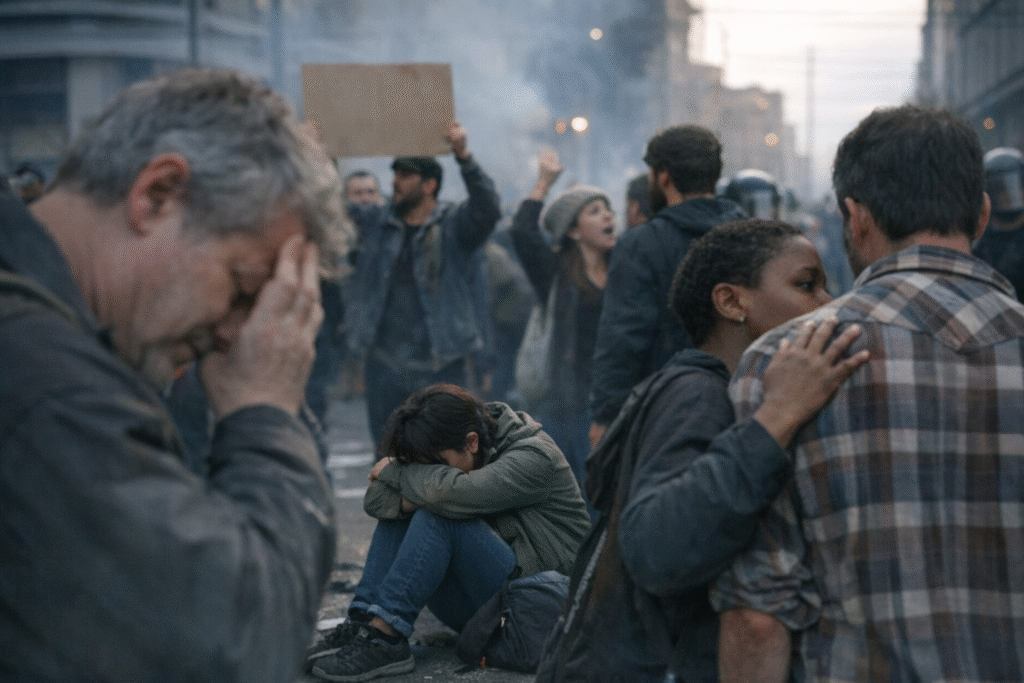
A recent commentary published on the Substack platform has reignited debate about the limits of rhetoric in addressing political crisis, arguing that continued reliance on language alone is no longer sufficient to meet the moment. The article, titled “The Time for Words is Over, No More,” presents a forceful case that escalating threats to democratic norms demand more tangible forms of response.
In the piece, the author contends that public discourse has reached a point of diminishing returns. According to the argument, repeated warnings, statements, and condemnations—while once essential—have failed to deter what the writer describes as a steady erosion of institutional safeguards and civic trust. The essay frames the current environment as one in which actors willing to disregard conventions and legal boundaries are no longer meaningfully constrained by criticism or moral appeal.
Central to the article is the claim that a gap has emerged between acknowledgement of risk and meaningful action. The author suggests that many leaders and institutions continue to rely on procedural language and symbolic gestures despite mounting evidence that such approaches are ineffective against determined challenges. This, the commentary argues, creates a dangerous asymmetry in which one side remains bound by norms while the other operates outside them.
The Substack piece also raises concerns about public complacency, asserting that audiences have become desensitized to warnings that are not followed by visible consequences. The author warns that this pattern risks normalizing behaviors and developments that would previously have been widely rejected. In that context, the article calls for a reassessment of strategies and a willingness to consider measures that go beyond rhetorical opposition.
While the essay adopts a stark tone, it stops short of prescribing specific actions, instead emphasizing urgency and the need for a shift in mindset. The author frames the issue less as a matter of policy detail and more as a test of collective resolve, suggesting that the sustainability of democratic systems may depend on whether institutions can adapt to a more confrontational landscape.
The arguments presented in “The Time for Words is Over, No More” reflect a broader trend in political commentary, where frustration with incrementalism and procedural responses has become increasingly visible. Critics of this perspective caution that abandoning restraint or established norms could itself carry serious risks, including the potential for escalation and unintended consequences.
As debates over governance, accountability, and institutional legitimacy continue, the article contributes to a growing chorus questioning whether traditional modes of political engagement are adequate for current challenges. It underscores a widening divide between those who advocate for patience and continuity, and those who believe the moment requires a more decisive break from established practice.