Teens Revived Malls but Now Face New Bans
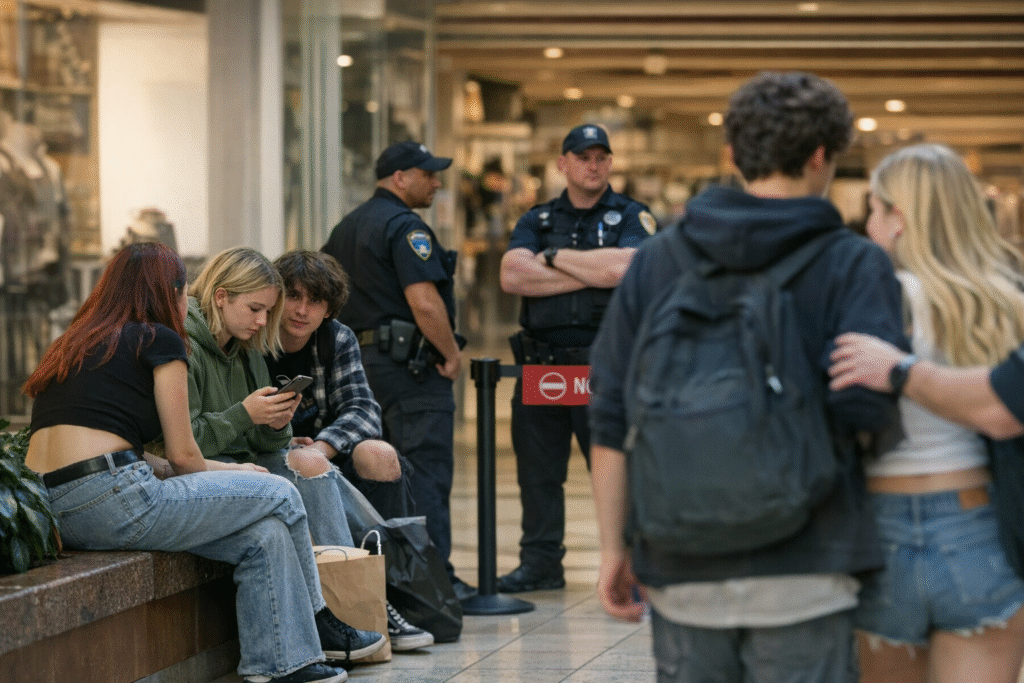
A resurgence in American shopping malls, long written off as relics of pre-digital retail, has been driven in part by an unexpected group: teenagers. Yet, as foot traffic rises and commercial fortunes stabilize, many of the same young people credited with reinvigorating these spaces are now facing new restrictions, including curfews and outright bans.
The Wall Street Journal article “Teens Helped Bring Malls Back to Life. Now They’re Getting Banned,” published by The Wall Street Journal, details a growing tension between mall operators seeking to preserve a more controlled shopping environment and a youthful customer base that has contributed significantly to increased activity. In recent years, teenagers have returned to malls not only to shop, but to socialize—a role malls historically played before the rise of e-commerce and social media shifted consumer habits.
Retailers and property owners initially welcomed the influx. Teenagers helped boost sales at fast-fashion chains, food courts, and entertainment venues, contributing to a broader perception that malls could once again function as community hubs. This demographic’s presence, often concentrated during evenings and weekends, brought energy back to spaces that had struggled with vacancies and declining relevance.
However, concerns about safety, crowd control, and occasional disruptive behavior have prompted a number of malls to implement stricter policies. Measures include requiring minors to be accompanied by adults after certain hours, increasing security, and, in some cases, barring unaccompanied teens altogether. Mall operators argue that such steps are necessary to maintain an environment comfortable for all shoppers, particularly families and older patrons who may be deterred by large, unsupervised groups.
Critics contend that these policies risk undermining the very recovery malls have experienced. Excluding teenagers could reduce foot traffic and sales for retailers that rely on younger consumers. More broadly, some view the restrictions as disproportionately targeting a demographic that has limited alternatives for public gathering spaces, particularly in suburban areas where options are scarce.
The situation highlights a deeper question about the role of malls in contemporary society. Once designed as inclusive public-private spaces that encouraged lingering and social interaction, malls are increasingly being managed with stricter behavioral expectations. The shift reflects both economic pressures and evolving liability concerns, as property owners attempt to balance accessibility with predictability.
The renewed prominence of teenagers in malls underscores the enduring appeal of physical retail as a social experience, even in a digital age. Yet the emerging pushback suggests that the relationship between malls and younger visitors remains unsettled. As operators refine their strategies to sustain a fragile comeback, decisions about who belongs in these spaces—and under what conditions—are likely to shape the next chapter of the mall’s evolution.