Pentagon Launches Review of U.S. Military Presence in Europe Amid Shifting Global Priorities
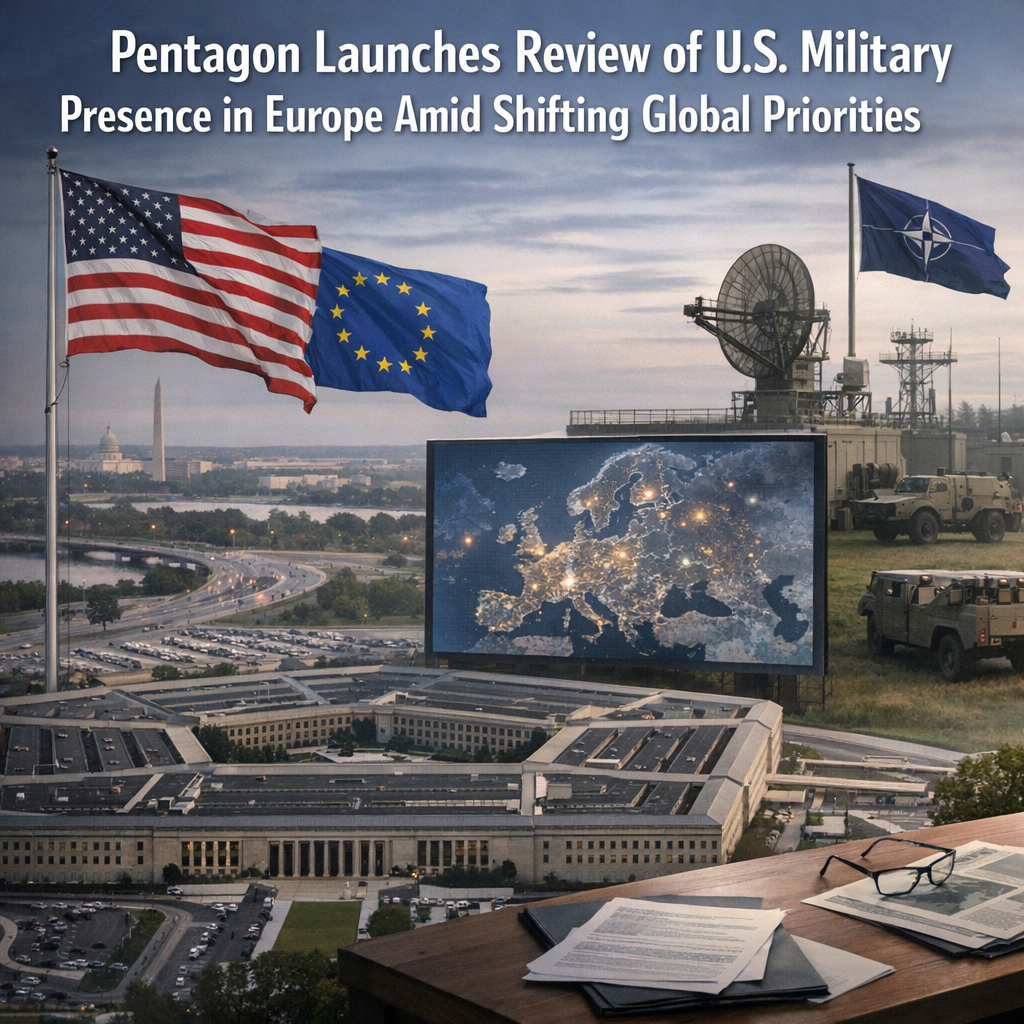
U.S. Defense Secretary Pete Hegseth has announced a comprehensive review of American force posture in Europe, signaling a potential recalibration of U.S. military commitments on the continent amid shifting security dynamics. The announcement, delivered on the sidelines of the Group of Seven summit, was first reported in a Military Times video titled “Defense Secretary Pete Hegseth announces review of US force posture in Europe at G7 summit.”
According to the report, the review will examine the size, distribution, and mission of U.S. forces stationed across Europe, where tens of thousands of American troops are currently deployed in support of NATO operations and deterrence efforts. The move comes at a time of heightened geopolitical strain, including ongoing concerns about Russia’s military posture and the long-term trajectory of the war in Ukraine.
Hegseth indicated that the review is intended to ensure that U.S. military resources are aligned with current strategic priorities, particularly as Washington balances commitments in Europe with growing security demands in the Indo-Pacific. While he did not outline specific changes, the announcement suggests the Pentagon is reassessing whether existing troop levels and basing arrangements remain optimal under evolving threat conditions.
The decision is likely to prompt close scrutiny among European allies, many of whom have grown increasingly reliant on U.S. military presence since Russia’s full-scale invasion of Ukraine in 2022. Forward-deployed American forces have played a central role in NATO’s deterrence strategy, including rotational deployments to Eastern European countries and expanded joint exercises.
At the same time, U.S. officials have repeatedly encouraged European partners to increase their own defense spending and capabilities. A force posture review could therefore be interpreted as part of a broader push to rebalance responsibilities within the alliance, even if no immediate reductions are planned.
Defense analysts note that such reviews are not uncommon and often result in incremental adjustments rather than sweeping changes. However, the timing of this announcement, delivered at a high-profile international summit, underscores the strategic significance of the assessment and its potential implications for both transatlantic security and U.S. global military planning.
Any eventual shift in force posture will likely be shaped by a combination of operational requirements, alliance politics, and budgetary constraints, as the Pentagon seeks to maintain deterrence credibility while adapting to an increasingly complex global security environment.