Israel Considers Partial Southern Lebanon Withdrawal Ahead of Washington Talks
:::writing block
Israel is weighing the possibility of limited military withdrawals from southern Lebanon as part of ongoing diplomatic efforts ahead of anticipated talks in Washington, according to a report by i24NEWS.
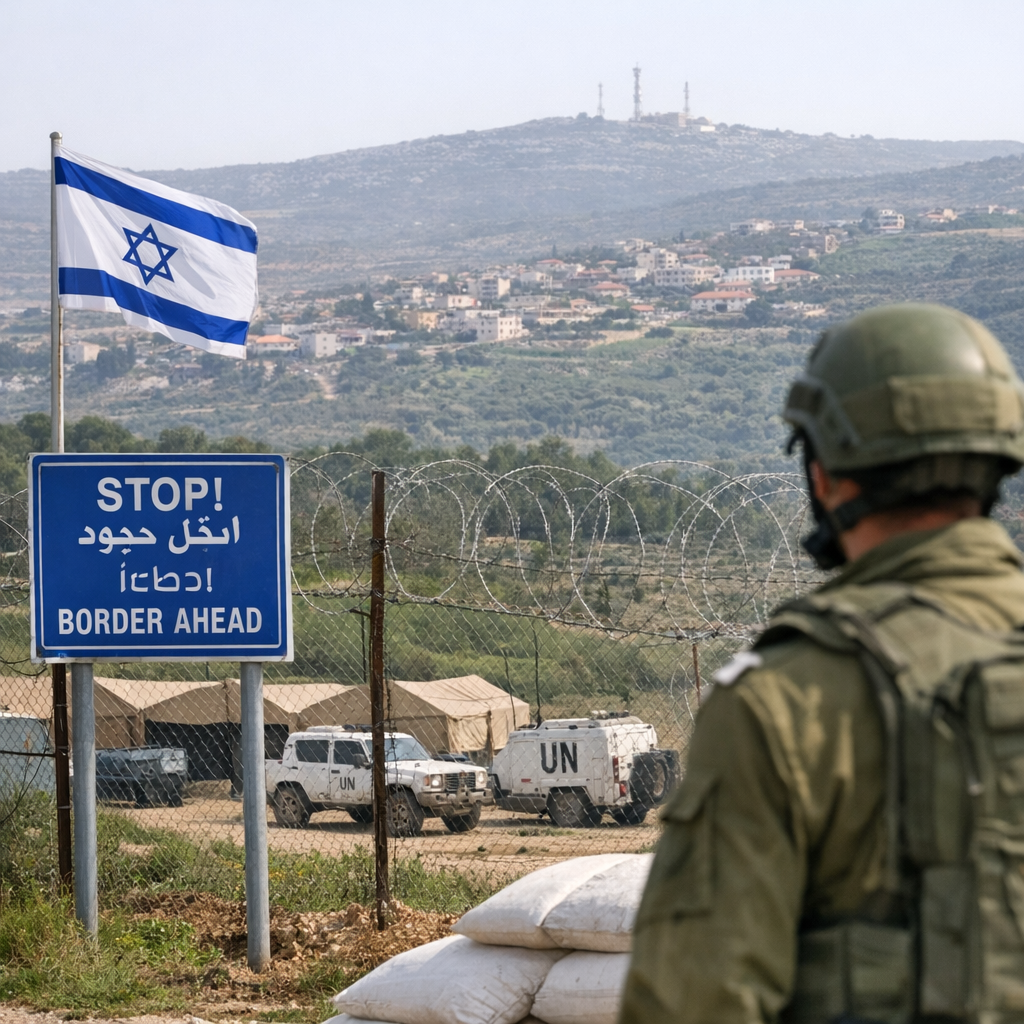
The report indicates that Israeli officials are exploring a calibrated adjustment of troop deployments along the northern border, a move that appears aimed at de-escalating tensions with Hezbollah while preserving core security objectives. The discussions come as Israel prepares for high-level engagements with U.S. counterparts, where regional stability and the risk of broader conflict are expected to feature prominently, as noted in broader coverage of U.S. diplomatic efforts by the U.S. Department of State.
Sources familiar with the deliberations suggest that any withdrawal would be partial and contingent on security assessments, including Hezbollah’s posture and adherence to existing deterrence frameworks. Israeli decision-makers are said to be balancing competing pressures: the desire to reduce friction along the Lebanese frontier and the need to maintain a credible military presence to counter ongoing threats. Background on Hezbollah’s role in the region is widely documented by Encyclopaedia Britannica.
The prospect of a limited pullback underscores the complexity of Israel’s northern strategy. Since the escalation of cross-border hostilities, Israeli forces have conducted operations aimed at pushing Hezbollah militants away from the immediate vicinity of the border. However, sustained military activity has raised concerns about the potential for miscalculation and a wider confrontation, a risk frequently highlighted in reporting by Reuters Middle East.
Washington has increasingly signaled interest in preventing further escalation between Israel and Hezbollah, viewing the northern front as a flashpoint that could draw in additional regional actors. Against this backdrop, Israeli officials appear to be considering gestures that could support diplomatic momentum without compromising strategic deterrence. Analysis of U.S. mediation efforts has also been covered by BBC News Middle East.
Analysts note that even a modest redeployment could carry symbolic significance, particularly if coordinated with U.S. diplomatic initiatives. At the same time, skepticism remains over whether Hezbollah would reciprocate in a manner that meaningfully reduces tensions, given its entrenched presence in southern Lebanon and ongoing hostility toward Israel. Historical context on the Israel-Lebanon border dynamics can be found via the United Nations Interim Force in Lebanon (UNIFIL).
The report by i24NEWS suggests that no final decision has been made, and that discussions remain fluid as Israeli leaders assess both military and diplomatic variables. Any move toward withdrawal would likely be incremental and reversible, reflecting the volatile nature of the situation on the ground.
As preparations for Washington talks continue, Israel’s deliberations highlight the broader challenge of navigating between force and diplomacy in a region marked by persistent instability. Whether limited withdrawals can contribute to a more durable calm along the northern border remains an open question, one that will likely shape the agenda of upcoming discussions between Israeli and U.S. officials.
:::