Israel and Lebanon Hold Indirect Talks on Transferring Border Areas to Lebanese Army
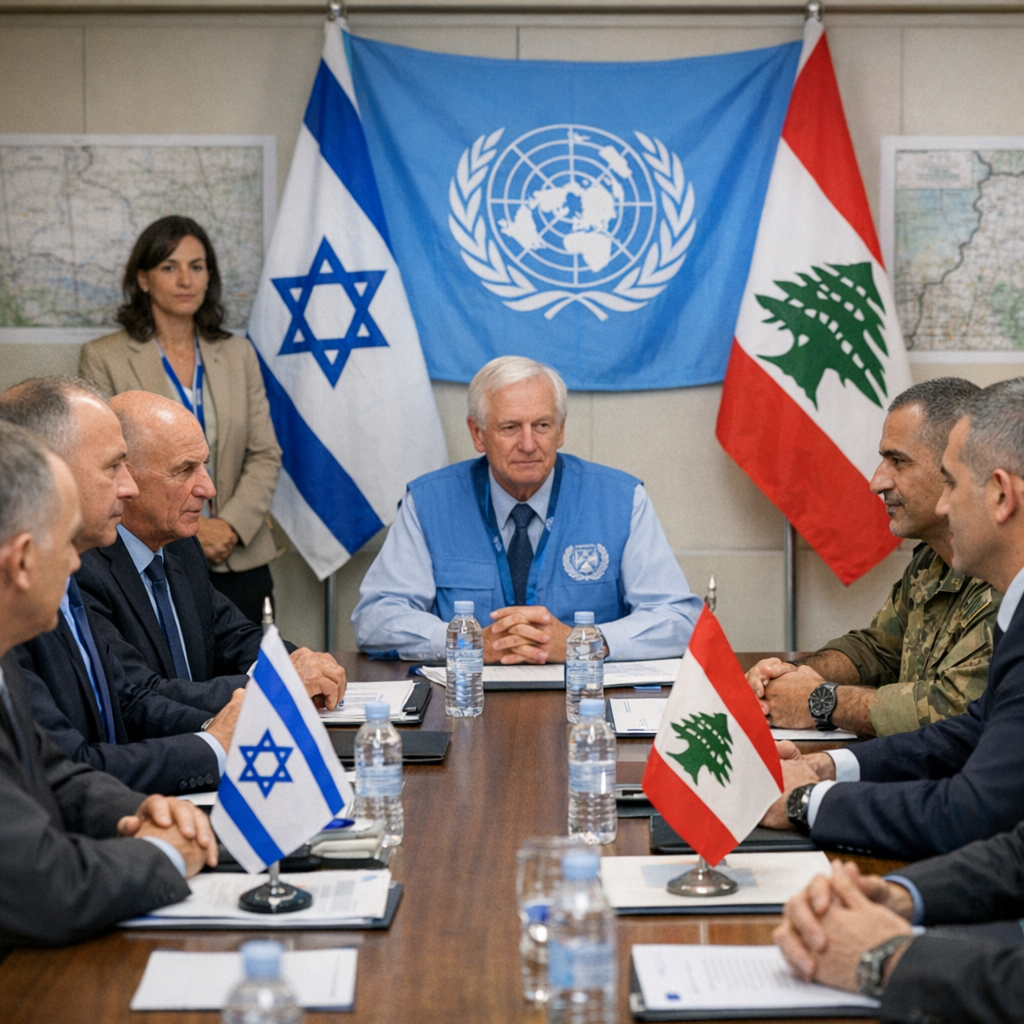
Israel and Lebanon are reportedly engaged in indirect discussions over the possible transfer of areas currently under Israel Defense Forces control to the Lebanese Armed Forces, according to a report by i24NEWS titled “Israel, Lebanon discuss transfer of IDF-controlled areas to Lebanese Army – report.”
The i24NEWS report indicates that the talks are being mediated through international actors and focus on arrangements that could see مناطق along the volatile border. Such a move would mark a notable development in efforts to stabilize the frontier, which has experienced sustained tension and intermittent exchanges of fire in recent months.
The discussions are said to center on security guarantees and verification mechanisms to ensure that any areas vacated by Israeli forces would not be used by Hezbollah or other armed groups. Israeli officials have repeatedly emphasized that any withdrawal or redeployment would be contingent on robust assurances that hostile elements would not reestablish a presence near the border.
On the Lebanese side, the prospect of deploying the Lebanese Armed Forces into areas currently outside its effective control reflects both an opportunity and a challenge. While it could reinforce state authority in the south, it also raises questions about the army’s capacity to operate in zones where Hezbollah maintains significant influence.
The reported dialogue comes amid broader international efforts to de-escalate tensions between Israel and Hezbollah, particularly following cross-border exchanges linked to the wider regional fallout from the war in Gaza. Diplomatic actors, including the United States and European countries, have been working to prevent a further slide toward open conflict, with proposals often emphasizing a greater role for the Lebanese Armed Forces and the implementation of existing United Nations resolutions.
While neither side has publicly confirmed detailed terms of any tentative arrangement, the very existence of such discussions suggests a shared interest, at least tactically, in reducing the risk of escalation. Whether these talks translate into concrete changes on the ground will likely depend on a complex mix of military realities, political calculations, and the ability of intermediaries to bridge longstanding mistrust between the parties.