From Hand-Thrown Drones to даль Long-Range Strikes The New Shape of Modern Warfare
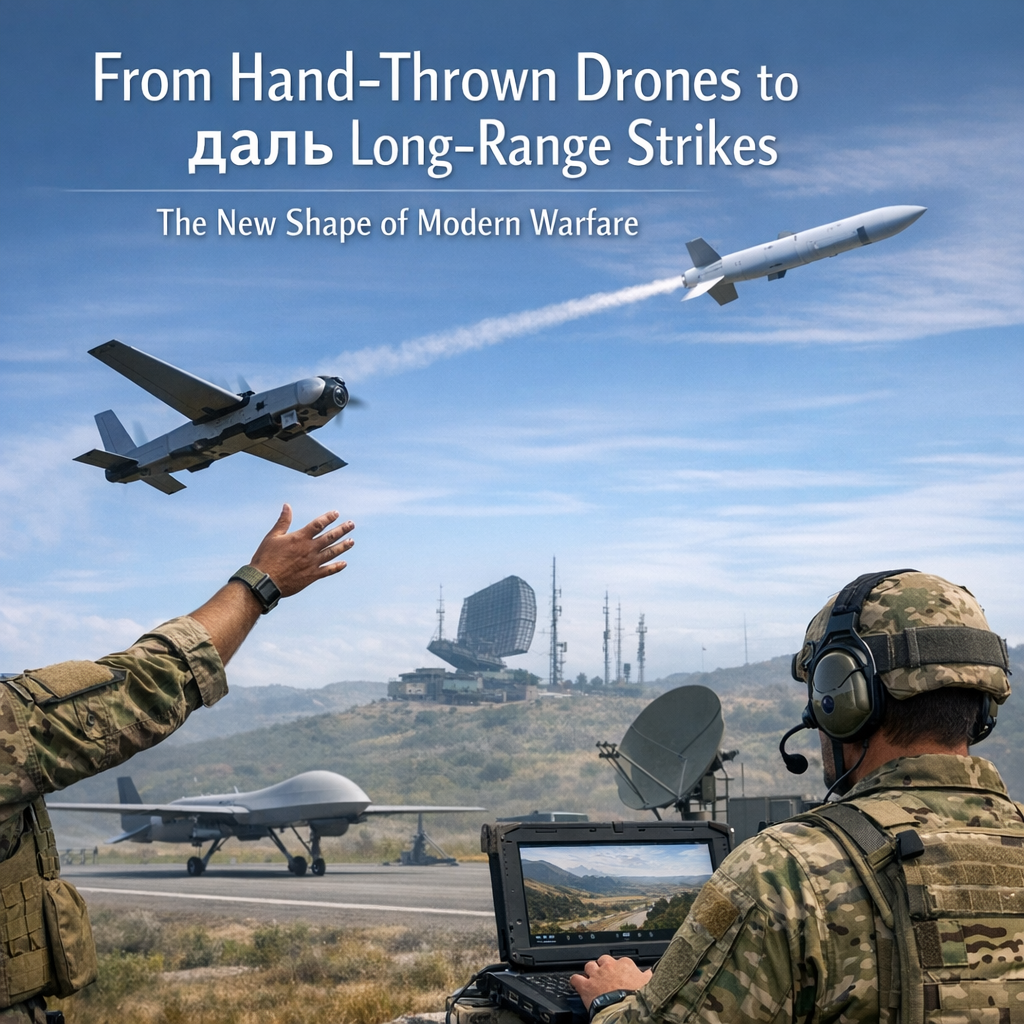
A recent episode of Defense News Weekly, published by Defense News under the title “Throwable ground drones and new long-range munitions,” highlights a series of emerging technologies that are reshaping modern battlefield tactics, with a particular emphasis on portability, reach and adaptability.
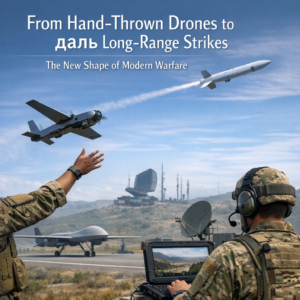
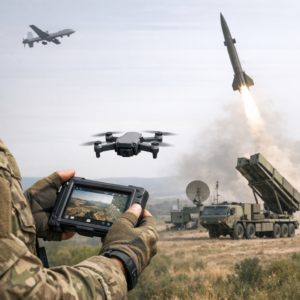
One of the central innovations discussed is the development of throwable ground drones, a rapidly evolving class of small robotic systems designed for close-quarters reconnaissance. Unlike larger unmanned platforms, these compact devices can be tossed by hand into confined or dangerous spaces, such as urban interiors or fortified positions, enabling soldiers to quickly gather intelligence without exposing themselves to direct risk. The systems are typically equipped with cameras and sensors that transmit real-time data, allowing units to assess threats before entering. Similar concepts have been explored in defense research programs such as those highlighted by DARPA.
The appeal of these throwable drones lies in their simplicity and immediacy. Defense analysts note that as combat environments increasingly shift toward dense urban terrain, tools that can provide instant situational awareness are becoming indispensable, a trend examined in urban warfare analysis by the Royal United Services Institute (RUSI). The systems’ low cost relative to larger unmanned platforms also opens the door for broader deployment across infantry units, potentially making them a standard piece of equipment rather than a specialized asset.
Alongside these small-scale innovations, the episode also examines advancements in long-range munitions, an area seeing intensified investment amid evolving strategic competition. Modern long-range weapons are being designed to strike targets at extended distances with greater precision, often integrating advanced guidance systems and adaptable payloads. These capabilities are detailed in assessments by the Congressional Research Service, which tracks developments in long-range strike technology. Such capabilities are seen as critical in scenarios where access to contested areas is limited or where forces must operate from safer stand-off distances.
The discussion underscores how long-range strike capabilities are becoming a central element of deterrence strategies, particularly among major military powers. According to analysis from RAND Corporation, extending the reach of conventional forces complicates adversaries’ planning and increases the potential costs of aggression. At the same time, they raise questions about escalation dynamics and the balance between offensive capability and defensive resilience, themes also explored in NATO strategic doctrine discussions.
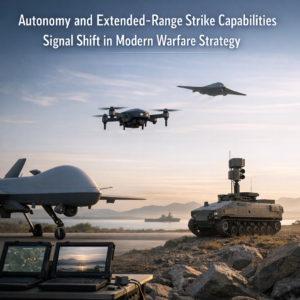
Taken together, the technologies highlighted in Defense News Weekly reflect a broader shift toward distributed, flexible warfare. On one end, small, easily deployable tools like throwable drones empower individual soldiers with enhanced awareness. On the other, increasingly sophisticated long-range munitions extend the operational reach of entire forces. Both trends point to a future battlefield defined less by singular, large platforms and more by a network of integrated capabilities operating across multiple scales.
As defense planners continue to adapt to these changes, the challenge will lie in integrating such technologies into coherent strategies while managing their implications for stability and conflict escalation.