Debate Grows Over Who Should Shape America’s AI Future Amid Rising Global Competition
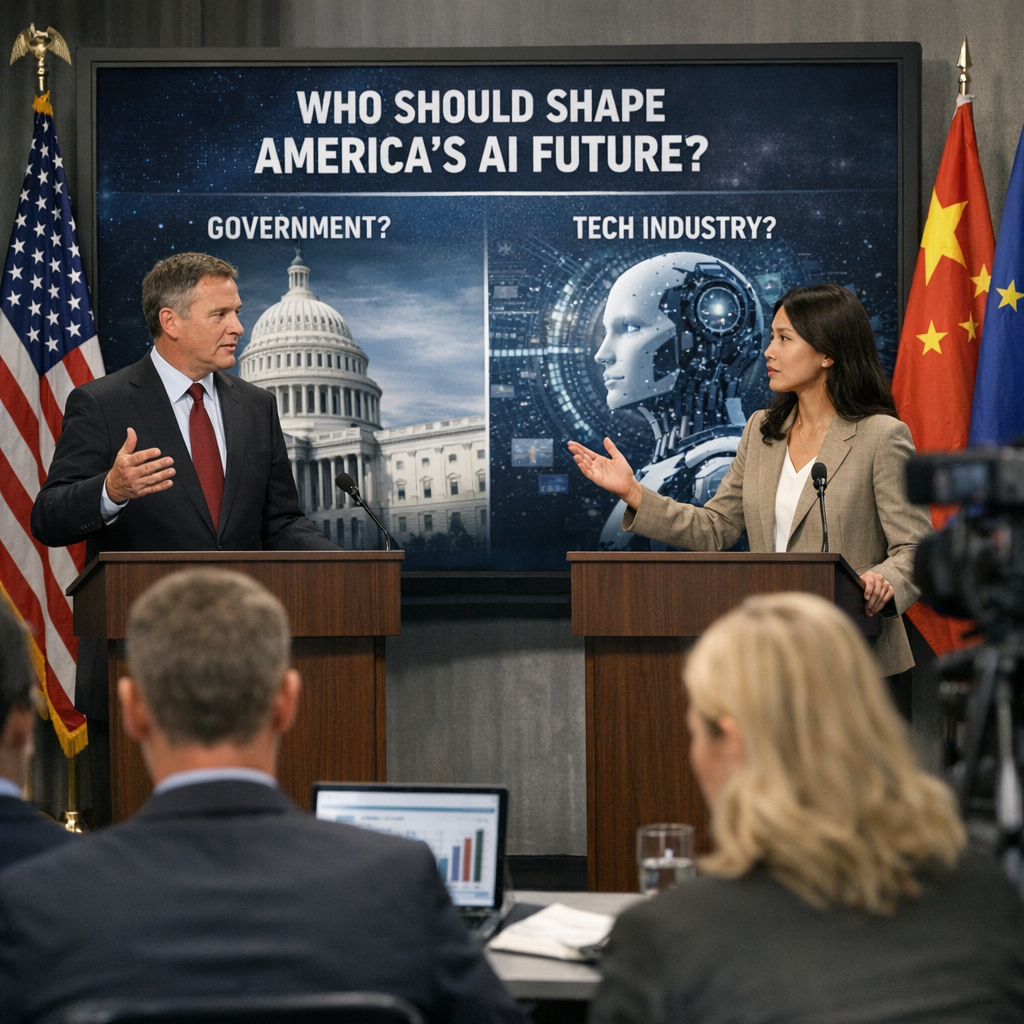
A recent opinion article published by The Daily Wire, titled “I Protected Technology At The White House — President Trump Can Define America’s AI Future,” argues that former President Donald Trump is uniquely positioned to shape the trajectory of artificial intelligence policy in the United States (original source). Written from the perspective of a former technology official in the White House, the piece reflects a broader and increasingly urgent debate about how the U.S. should govern rapidly advancing AI systems amid intensifying global competition.
The author contends that American leadership in artificial intelligence is at a pivotal moment, with geopolitical rivals such as China investing heavily in AI infrastructure, talent, and regulation. According to the article, the next phase of AI development will be determined not only by innovation in the private sector, but also by federal policy decisions related to national security, economic competitiveness, and civil liberties. This concern aligns with findings from organizations like the Center for a New American Security, which has highlighted the strategic importance of AI in global power competition.
Central to the argument is the claim that Trump’s previous administration demonstrated a willingness to prioritize technological dominance while limiting regulatory constraints on industry. The author highlights past initiatives, including efforts to streamline federal oversight and increase public-private partnerships, as evidence of an approach that could accelerate AI development. For example, the American AI Initiative emphasized investment in research and reducing regulatory barriers to innovation.
At the same time, the article underscores the strategic risks associated with underregulation, though it frames those risks as secondary to the dangers of falling behind international competitors. It calls for a balance in which government sets broad national priorities and safeguards without stifling innovation through overly prescriptive rules. Concerns about AI risks, including bias and misuse, have been widely documented by groups like the National Institute of Standards and Technology (NIST) in its AI Risk Management Framework.
The discussion comes as policymakers in Washington weigh competing visions for AI governance. Some lawmakers and experts advocate for stricter oversight, citing concerns about bias, misinformation, labor disruption, and national security vulnerabilities. Others, including voices like the Daily Wire contributor, argue that excessive regulation could hinder American companies and cede advantage to authoritarian regimes that may deploy AI with fewer constraints. Reports from the OECD AI Policy Observatory have explored how different countries are approaching this regulatory balance.
The article also places emphasis on the role of executive leadership in coordinating a national AI strategy. It suggests that strong direction from the White House could align agencies, incentivize research, and ensure that U.S. companies remain at the forefront of technological breakthroughs. This idea echoes recommendations in analyses by the Brookings Institution, which stress the need for coherent federal leadership in AI policy.
While the piece reflects a distinctly pro-Trump perspective, it contributes to a broader national conversation about how to balance innovation and oversight in a transformative technological era. As artificial intelligence becomes increasingly embedded in economic, military, and social systems, the question of who defines its rules—and how—remains a central issue in American politics.