DARPA Develops Shelf-Stable Synthetic Blood
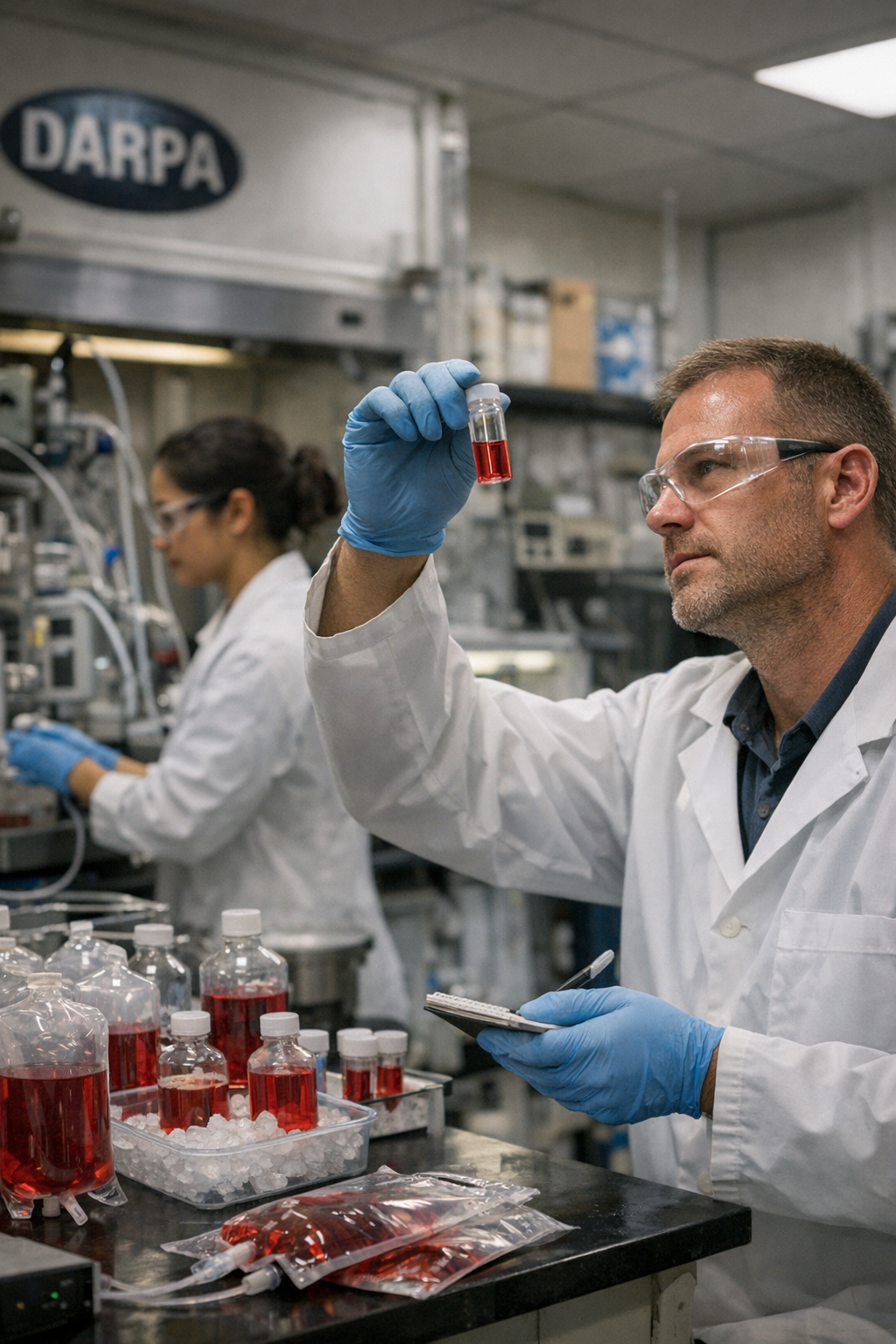
A newly released video from Defense News, titled “See how synthetic shelf-stable blood is created in this DARPA lab tour,” offers a rare glimpse inside a U.S. defense research effort aimed at transforming battlefield medicine. The footage highlights work funded by the Defense Advanced Research Projects Agency (DARPA) to develop synthetic blood substitutes that can be stored for extended periods without refrigeration, potentially addressing one of the most persistent logistical challenges in military and emergency care.
The video focuses on laboratory processes behind the creation of these synthetic blood products, which are designed to replicate the oxygen-carrying function of human red blood cells. Unlike donated blood, which has a limited shelf life and strict storage requirements, the DARPA-backed alternatives are being engineered for durability and portability. Researchers featured in the report demonstrate how these products are synthesized and tested, emphasizing their stability under conditions that would normally degrade traditional blood supplies.
This capability could have significant implications for military operations in remote or austere environments, where access to fresh blood is often limited. Current practices depend on complex supply chains and refrigeration infrastructure, both of which can be difficult to maintain in combat zones or disaster areas. A shelf-stable alternative could allow medics to carry life-saving transfusion materials directly into the field, reducing delays in treatment for traumatic injuries.
Beyond military use, the technology could also reshape civilian emergency medicine. Hospitals, ambulances, and humanitarian organizations frequently face shortages of compatible blood types, particularly during crises. A universally compatible synthetic product that can be stockpiled and rapidly deployed would ease pressure on blood donation systems and expand access to critical care.
The Defense News report underscores that the research is still in development, with ongoing efforts to ensure safety, effectiveness, and regulatory approval. Scientists must overcome technical challenges related to oxygen delivery, immune response, and long-term stability before such products can be widely used in clinical settings. Nonetheless, the DARPA initiative reflects growing interest in bioengineered solutions to longstanding medical and logistical problems.
By opening its lab doors through the video, DARPA provides a clearer view of how advanced materials and biotechnology are converging in defense research. The work illustrates a broader trend: leveraging synthetic biology not only to enhance military readiness but also to generate innovations with potential civilian benefits, particularly in emergency and trauma care.