Shelf-Stable Synthetic Blood Reshapes Combat Care
A newly reported breakthrough in synthetic blood development could significantly alter how militaries manage trauma care in austere environments, according to a Defense News video report titled “Newly developed shelf-stable synthetic blood could change battlefield medicine.”
The report highlights an emerging class of oxygen-carrying blood substitutes designed to remain stable without refrigeration, addressing one of the most persistent logistical challenges in combat medicine. Traditional blood products require strict storage conditions and have limited shelf lives, constraining their availability in forward operating environments. In contrast, the synthetic alternative described in the Defense News coverage is being engineered to withstand extended storage periods and extreme conditions, potentially enabling wider distribution across dispersed or resource-limited settings.
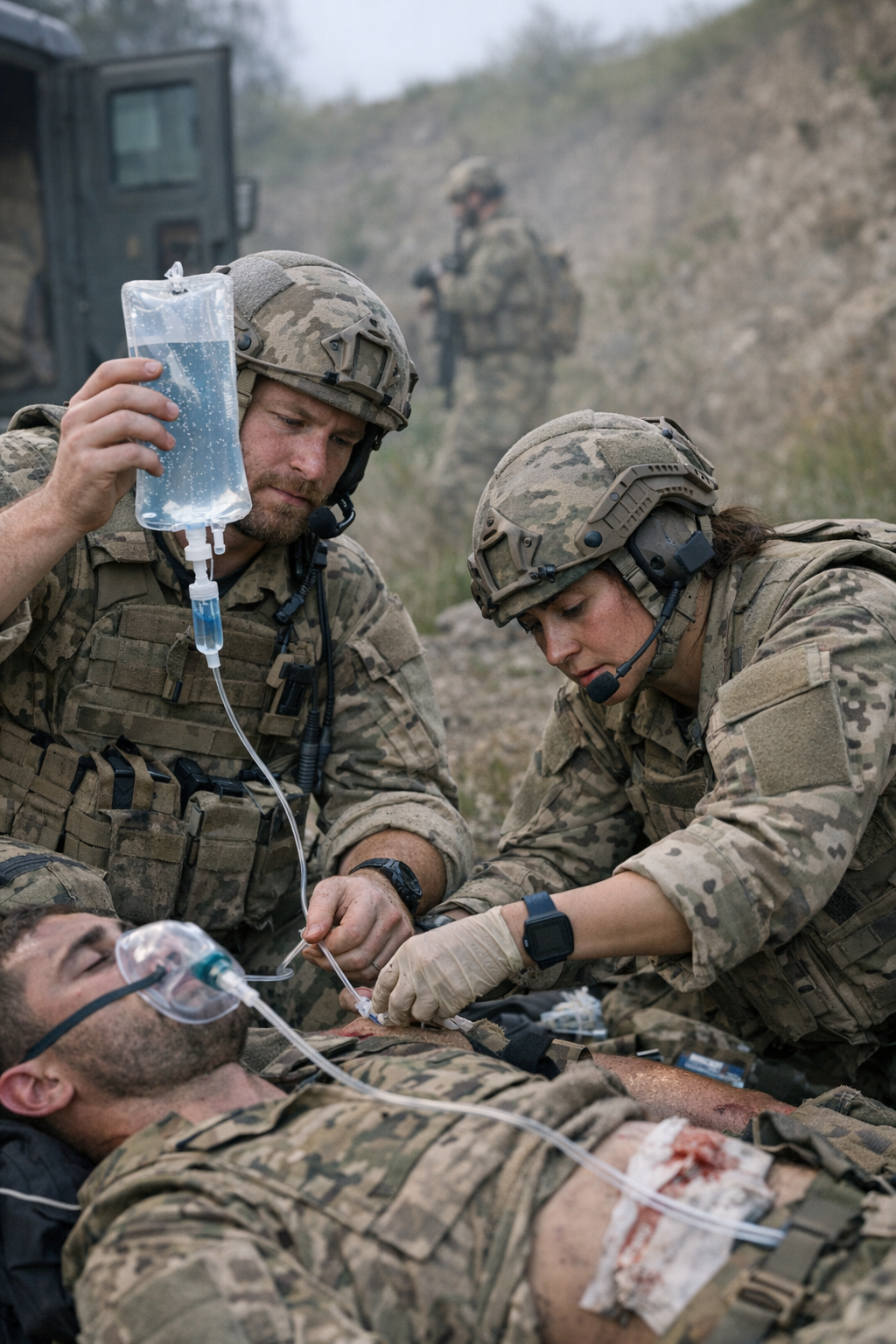
Developers are focusing on replicating one of blood’s most critical functions: oxygen delivery to tissues during hemorrhagic shock. By using engineered hemoglobin or similar compounds, these substitutes aim to stabilize injured patients long enough for evacuation and definitive care. This capability is particularly relevant in modern conflicts, where evacuation timelines can be prolonged and supply lines strained.
The Defense News report indicates that the synthetic product is still under development, but early indications suggest it could reduce reliance on donor blood supplies, which are often scarce or difficult to transport safely in combat zones. In addition to logistical advantages, shelf-stable blood substitutes may also lower risks associated with blood type compatibility and transfusion-transmitted infections, though these factors remain subject to further testing and regulatory scrutiny.
Military medical planners have long sought alternatives to conventional blood storage, especially as operational environments become more remote and unpredictable. A viable synthetic option could allow medics to carry life-saving resuscitation tools directly into the field, potentially improving survival rates for severe trauma cases where rapid blood replacement is critical.
While significant clinical and regulatory hurdles remain, the development underscores a broader push to integrate biotechnology advances into military medicine. If successful, the innovation described by Defense News could mark a shift not only in how armed forces treat battlefield injuries but also in how emergency medicine is practiced in civilian disaster response and remote healthcare settings.