Congress Pushes Mandatory Chaperones in Military Medical Exams to Strengthen Patient Protections
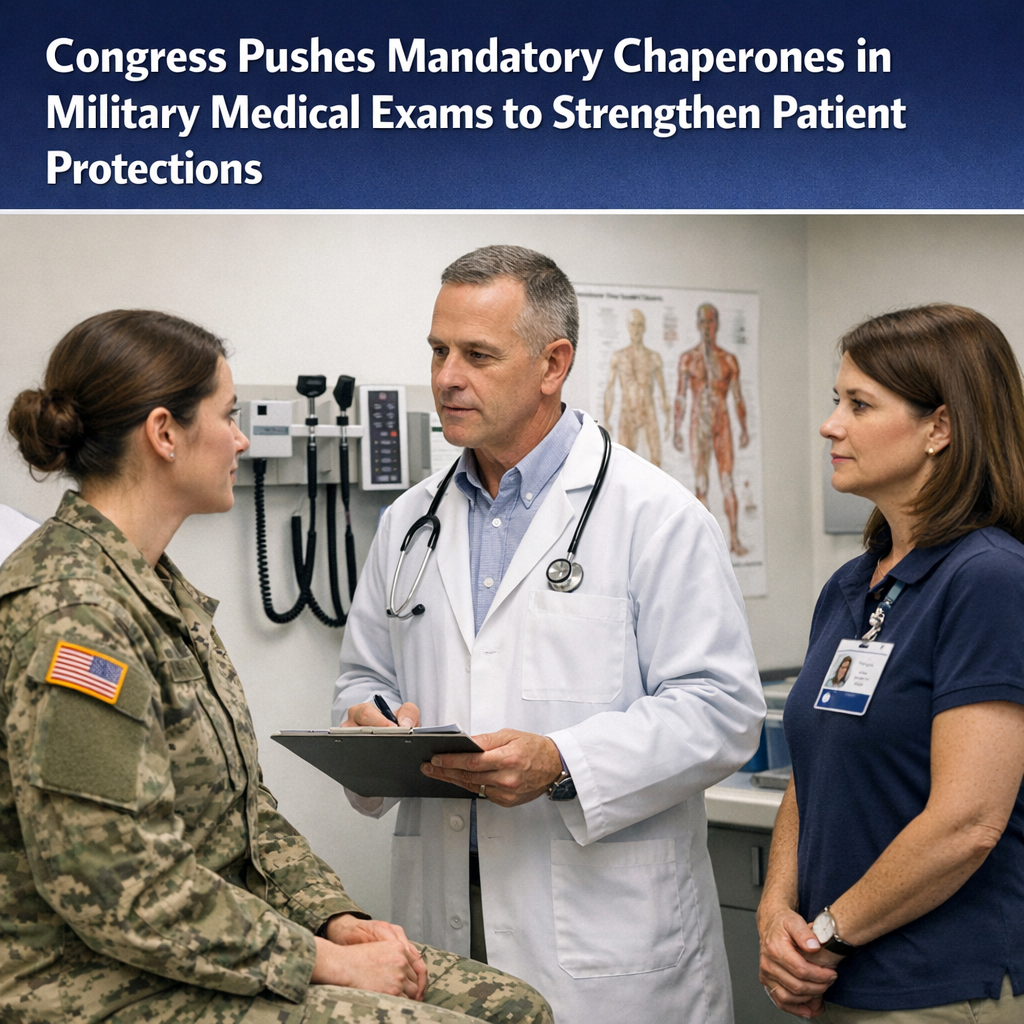
Lawmakers in Congress are advancing legislation that would mandate the presence of chaperones during certain medical appointments in the military health system, a move aimed at strengthening safeguards for patients and restoring trust after a series of misconduct cases.
The proposal, detailed in the Military Times article “Lawmakers move to require chaperones for sensitive appointments in military health system”, reflects growing concern among federal officials about patient safety in military medical settings. The measure would require a trained third party to be present during sensitive examinations, particularly those involving intimate procedures, unless a patient explicitly declines.
Supporters of the initiative argue that the policy is a necessary step to prevent abuse and ensure accountability across military treatment facilities. The effort follows high-profile cases in recent years in which service members and their families reported sexual misconduct by medical providers, exposing gaps in oversight and reporting mechanisms. Advocacy groups such as RAINN (Rape, Abuse & Incest National Network) have long emphasized the importance of institutional safeguards in preventing abuse in vulnerable settings.
Under the proposed requirement, chaperones would serve both as a safeguard for patients and as a protective measure for healthcare professionals, reducing the risk of false allegations while reinforcing professional standards. Lawmakers backing the measure say the presence of a neutral observer can help create a more transparent clinical environment and reassure patients who may feel vulnerable during medical visits. Guidance from organizations like the American Medical Association similarly supports the use of chaperones during sensitive exams.
The legislation would apply broadly across the Department of Defense’s healthcare system, which serves active-duty personnel, retirees, and military families worldwide. While some military medical facilities already employ chaperones on a discretionary basis, the proposed policy would standardize the practice and establish clear guidelines for when and how chaperones must be used.
Critics and some healthcare providers have raised concerns about implementation challenges, including staffing constraints and potential impacts on patient privacy and comfort. There are also questions about how to ensure that patients retain autonomy, particularly in cases where they may prefer not to have an additional person present. Lawmakers sponsoring the proposal say the policy will include opt-out provisions to address those concerns. Previous oversight findings from the U.S. Government Accountability Office have highlighted broader staffing and resource challenges within military healthcare.
The measure is part of a broader effort in Congress to reform aspects of the military health system and strengthen protections against misconduct. In recent years, Pentagon officials have faced increasing pressure to respond to reports of abuse and to demonstrate that systems are in place to prevent future incidents, as outlined by the U.S. Department of Defense.
According to the Military Times report, lawmakers view the chaperone requirement as a relatively straightforward reform that can be implemented quickly while broader cultural and institutional changes continue to take shape. The proposal is expected to be considered as part of upcoming defense policy legislation, where it may gain bipartisan support.
If adopted, the requirement would mark a significant shift in how sensitive care is delivered within military medicine, emphasizing both patient safety and institutional accountability in an environment where trust is critical to readiness and overall well-being.