Oil Prices Slide as Iran Peace Deal Sparks Market Optimism
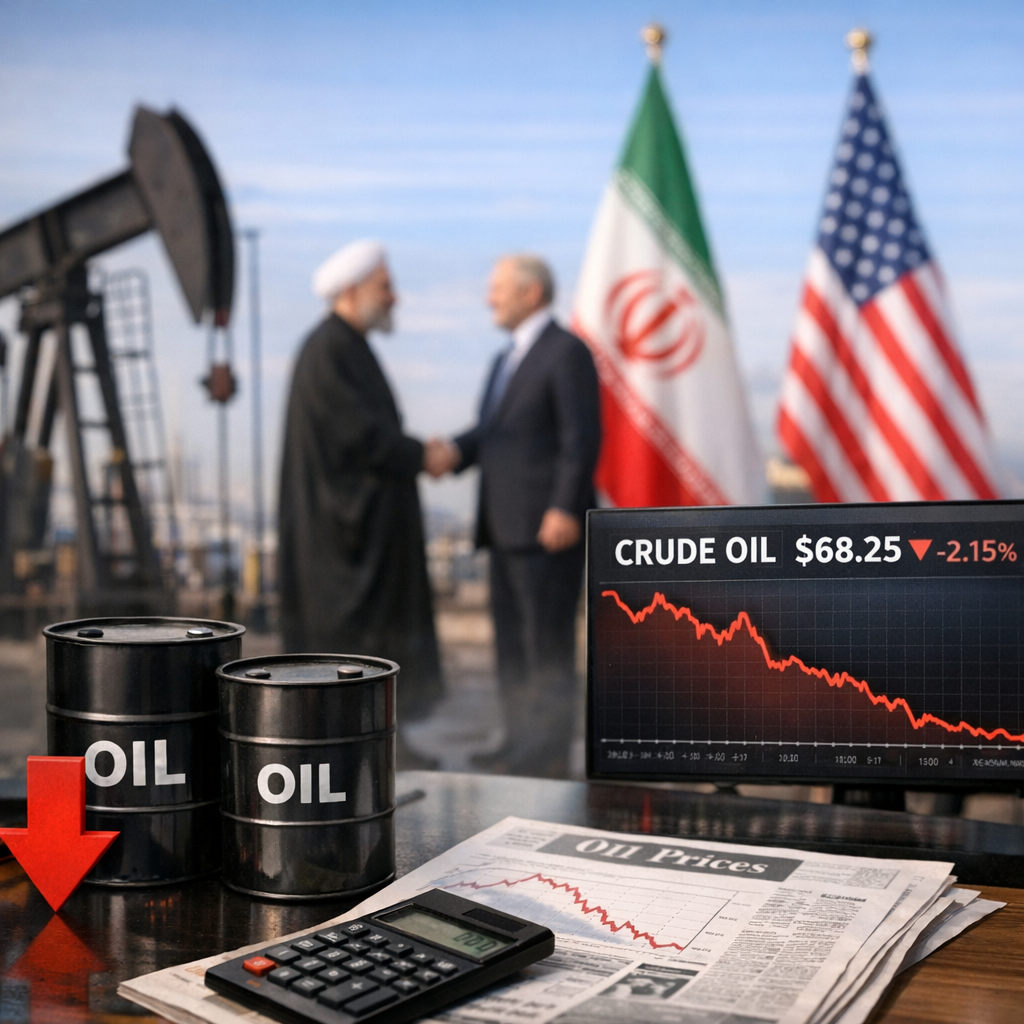
Following the announcement of a tentative peace agreement with Iran by former President Donald Trump, energy markets have reacted swiftly, driving down a key cost closely tied to global economic stability. The development, reported by the Daily Wire in an article titled “One Major Cost Is Falling Fast After Trump Announces Iran Peace Deal,” highlights a sharp decline in oil prices amid renewed expectations of reduced geopolitical risk in the Middle East.
According to the Daily Wire’s reporting, crude oil prices dropped soon after news of the agreement emerged, reflecting investor optimism that tensions in a region critical to global energy supply may ease. Markets have long treated instability involving Iran as a significant risk factor, given the country’s strategic location and its influence over vital oil transit routes such as the Strait of Hormuz.
Energy analysts often note that geopolitical uncertainty in the Middle East tends to create upward pressure on oil prices due to fears of supply disruptions. Conversely, signs of diplomatic progress can have the opposite effect, leading traders to reassess risk premiums embedded in energy costs. The movement seen following the reported agreement appears consistent with that pattern, as also observed in broader global commodities market coverage.
Lower oil prices can have wide-ranging implications beyond energy markets. In the United States, they typically translate into reduced gasoline prices for consumers, potentially easing inflationary pressures and offering some relief to household budgets, according to data tracked by the Bureau of Labor Statistics Consumer Price Index. Businesses that rely heavily on transportation and logistics may also benefit from declining fuel costs, which can, in turn, influence broader economic conditions.
However, market reactions to geopolitical announcements can be volatile and are often subject to rapid change as more details emerge. Analysts caution that while initial price movements reflect optimism, the durability of such trends depends on the specifics of any agreement and whether it leads to lasting changes in regional stability and oil supply dynamics, a point frequently emphasized in International Monetary Fund economic outlooks.
The Daily Wire article frames the price decline as an immediate consequence of the announced deal, underscoring how closely financial markets track political developments involving major energy-producing regions. As with similar episodes in the past, trends in Brent crude oil pricing suggest that the longer-term impact will likely hinge on implementation, verification, and the response of other global actors.
For now, the reaction in oil markets signals a degree of confidence—at least among investors—that the potential for reduced conflict could ease one of the most persistent sources of volatility in the global economy.