NATO Deepens Engagement with Moldova Amid Rising Eastern European Security Pressures
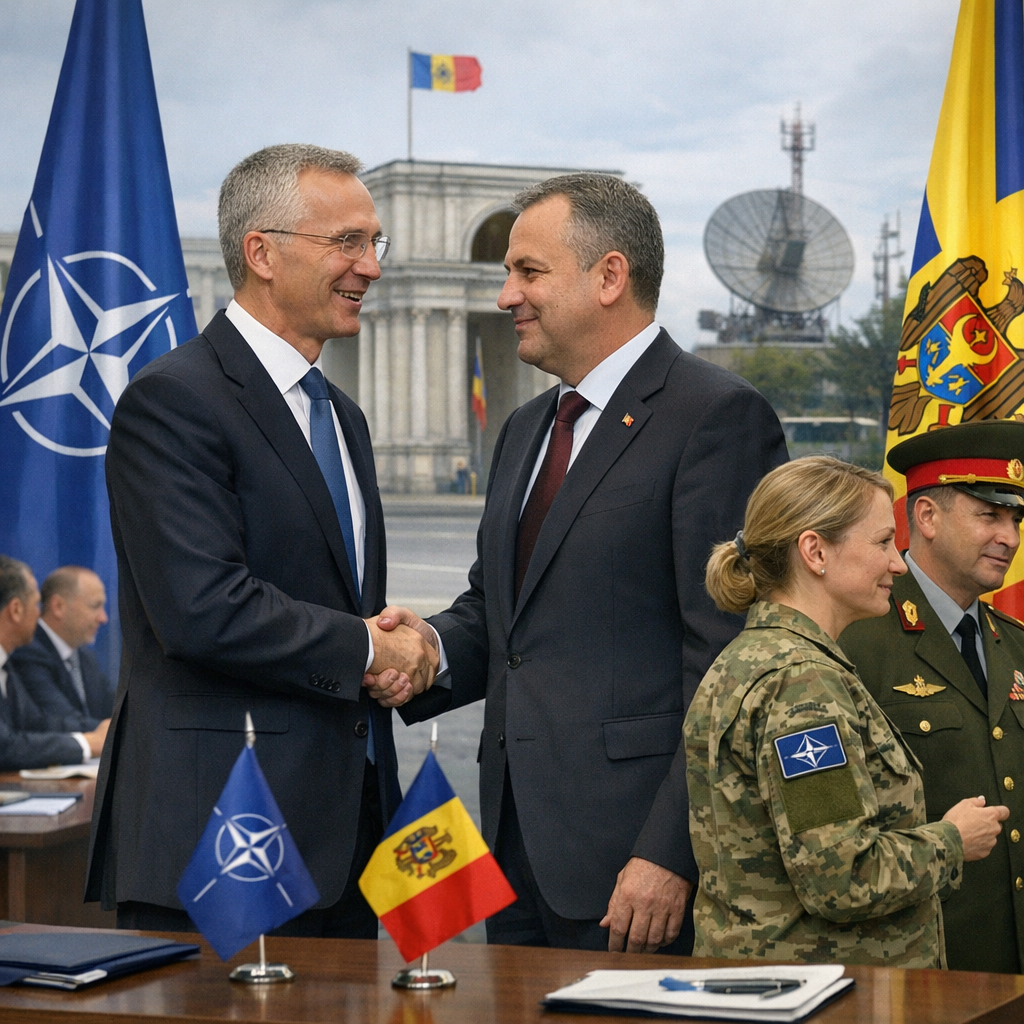
A senior NATO official’s visit to Moldova this week underscored the alliance’s continued effort to deepen cooperation with partners facing heightened regional security pressures, particularly in Eastern Europe.
According to a report titled “NATO’s Deputy Assistant Secretary General for Partnerships visits Moldova,” published on NATO’s official website, nato.int, the trip focused on strengthening political dialogue and expanding practical cooperation between NATO and Moldova. The visit comes as Moldova navigates a complex security environment shaped by Russia’s ongoing war in Ukraine and persistent hybrid threats in the region.
During meetings in Chișinău, NATO Deputy Assistant Secretary General for Partnerships Javier Colomina engaged with Moldovan political leaders and defense officials to review the current state of cooperation under NATO’s partnership frameworks. Discussions emphasized support for Moldova’s reform efforts, resilience-building measures, and defense capacity development, areas that have become increasingly urgent as the regional security landscape deteriorates.
NATO’s partnership with Moldova is conducted through the framework of the Partnership for Peace program, which allows non-member states to cooperate with the alliance on defense planning, crisis management, and military reform. Moldova, constitutionally neutral, has historically balanced its cooperation with Western institutions while avoiding steps that might be interpreted as a move toward full NATO membership. Nonetheless, recent developments have driven closer engagement, particularly in areas such as cybersecurity, strategic communications, and countering disinformation.
The NATO statement highlighted ongoing assistance tailored to Moldova’s needs, including advisory support and capacity-building initiatives aimed at strengthening national institutions. Officials also underscored NATO’s respect for Moldova’s neutrality, while affirming the country’s right to pursue its own security arrangements.
The visit carries symbolic weight as well. Moldova has faced repeated warnings from its government about foreign interference and destabilization efforts, concerns that have intensified since the start of the war in Ukraine. NATO’s engagement is intended to bolster Moldova’s resilience without altering its formal neutral status.
Colomina’s meetings reportedly also touched on broader regional dynamics, including the security implications of the conflict in Ukraine and the importance of sustained international support for partners exposed to spillover risks. The discussions reinforced NATO’s broader strategy of strengthening partnerships in Eastern Europe as part of a wider effort to promote stability along its periphery, including cooperation detailed on NATO’s relations with Moldova page.
While Moldova remains outside the alliance, the deepening dialogue signals a pragmatic approach on both sides: NATO seeks to project stability and support reforms, while Moldova aims to enhance its security capacity without compromising its political constraints. The visit reflects an incremental but steady evolution in the relationship, shaped by shifting geopolitical realities.