After 50 Years, Valor at Dong Ha Bridge Finally Earns the Medal of Honor
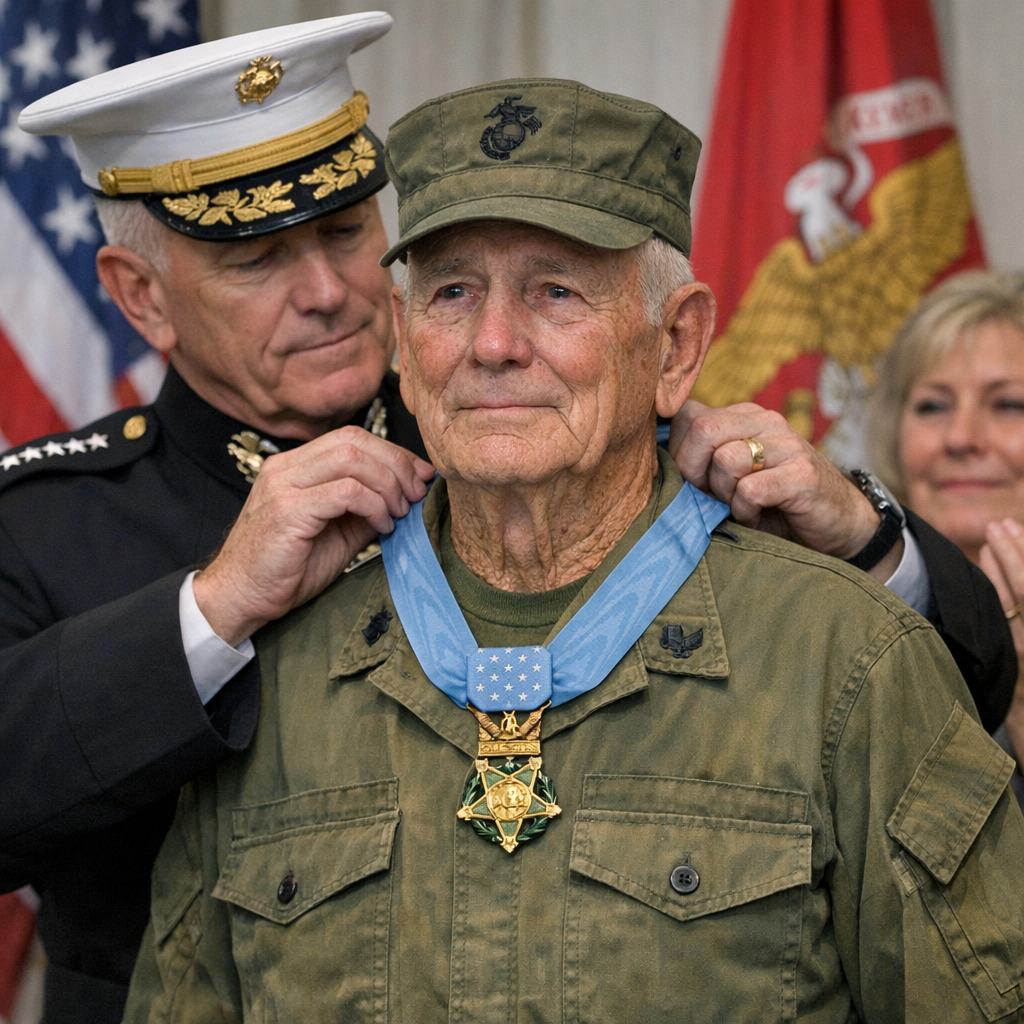
More than half a century after intense fighting along a strategic river crossing in Vietnam, a long-overlooked act of battlefield valor is set to receive the United States’ highest military decoration. As first reported in the Military Times article titled “Vietnam War hero of Dong Ha Bridge to be awarded the Medal of Honor”, a U.S. service member who played a decisive role in halting an enemy advance during the 1967 Battle of Dong Ha Bridge will be formally recognized for extraordinary heroism.
The engagement at Dong Ha Bridge, in Quang Tri Province near the Demilitarized Zone, was one of the early and critical confrontations of the war. North Vietnamese forces sought to push armored units across the bridge to deepen their presence in the South. U.S. and South Vietnamese troops mounted a desperate defense to prevent that advance, recognizing that losing the crossing could have opened a broader offensive route.
According to accounts cited by Military Times, the service member at the center of the recognition acted under intense fire to disable or destroy enemy armor, despite overwhelming odds. The actions, which involved repeated exposure to hostile fire and a willingness to remain in position after others had withdrawn or been incapacitated, are credited with helping to stop the enemy thrust at a pivotal moment.
For decades, the service member’s conduct was either under-recognized or marked by a lower-level award. Renewed reviews of Vietnam-era records in recent years—part of a broader Defense Department effort to ensure that acts of valor are fully and fairly acknowledged—have led to reconsiderations of several cases. In this instance, investigators determined that the original recognition did not adequately reflect the scale of the heroism demonstrated.
The forthcoming Medal of Honor, whether awarded posthumously or to a surviving veteran, reflects both a reassessment of the historical record and a shifting institutional emphasis on correcting past oversights. Advocates for such reviews have long argued that the fog of war, incomplete documentation, and, in some cases, systemic bias contributed to deserving service members not receiving the highest honors at the time.
Military historians note that the Battle of Dong Ha Bridge has often been overshadowed by larger engagements such as Khe Sanh or the Tet Offensive, despite its tactical importance. The successful defense of the bridge disrupted enemy momentum and underscored the vulnerability of armored advances when confronted by determined infantry resistance.
The decision to award the Medal of Honor also highlights the enduring resonance of individual acts of courage from the Vietnam War. As the number of living veterans continues to decline, each recognition serves not only as a personal honor but as a public reaffirmation of the sacrifices made during a contentious and complex conflict.
Pentagon officials have emphasized that the review process for valor awards is rigorous, often requiring corroborating eyewitness testimony, after-action reports, and new archival research. In cases where surviving witnesses are scarce, investigators rely heavily on contemporaneous records and historical reconstruction.
The recognition of the Dong Ha Bridge hero, as detailed by Military Times, is expected to draw renewed attention to the battle itself and to the broader question of how nations remember—and correct—their military histories. It stands as a reminder that, even decades later, the accounting of courage and sacrifice remains an ongoing responsibility.