Obama Predicts Trump Iran Deal Would Mirror Key Elements of Original Nuclear Agreement
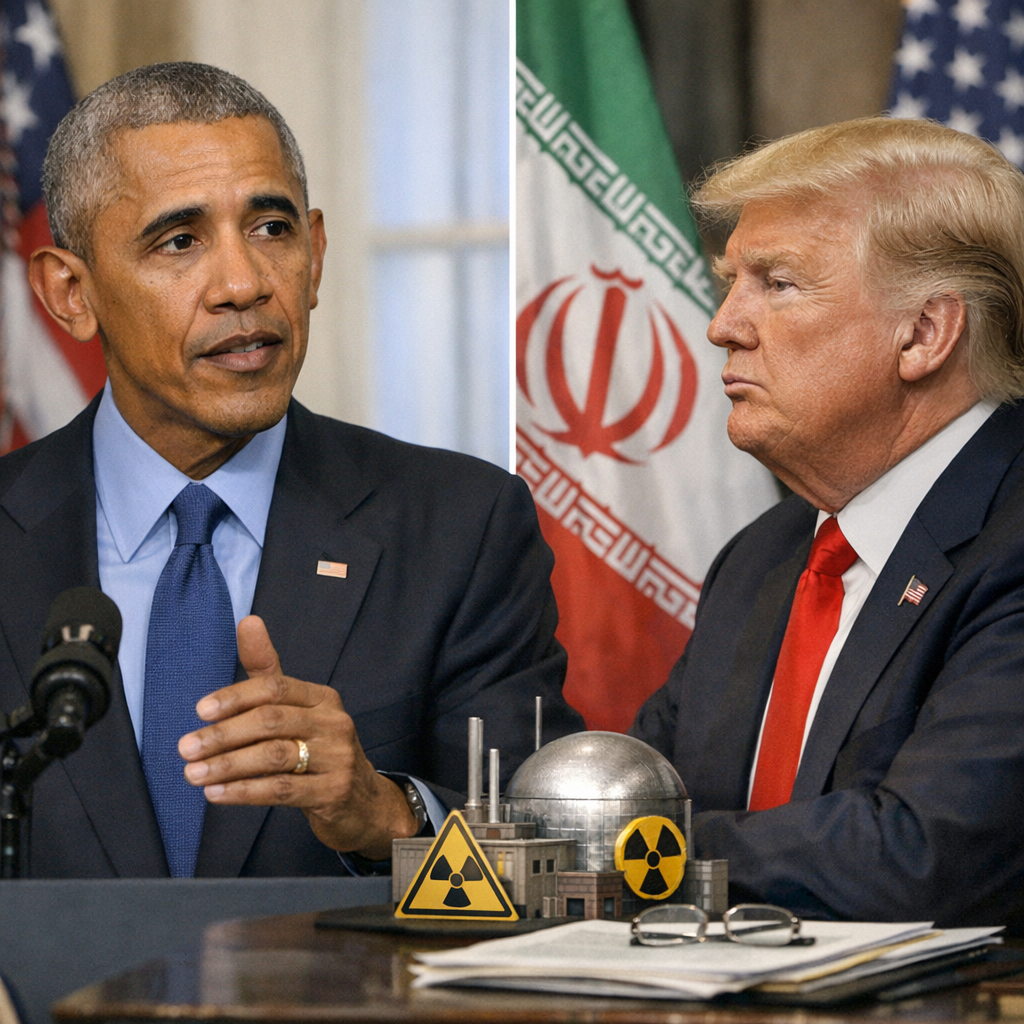
Former President Barack Obama has weighed in on the prospects of a potential Iran agreement under former President Donald Trump, expressing skepticism about what such a deal would ultimately achieve and how it would be structured, according to a report by The Daily Wire titled “Obama Makes His Prediction For Trump’s Iran Deal.”
In remarks highlighted by the publication, Obama suggested that any future deal negotiated by Trump would likely resemble key aspects of the original Joint Comprehensive Plan of Action (JCPOA), the nuclear agreement brokered during Obama’s administration in 2015. While Trump withdrew the United States from that accord in 2018, criticizing it as overly lenient and ineffective at curbing Iran’s long-term nuclear ambitions, Obama indicated that practical constraints could push any successor agreement toward familiar territory, a view echoed in analyses by the Council on Foreign Relations.
Obama’s comments reflect a broader debate within U.S. foreign policy circles about the limits of negotiating with Tehran. Supporters of the original deal maintain that it imposed meaningful restrictions on Iran’s nuclear program and provided an enforceable framework for inspections, including oversight by the International Atomic Energy Agency (IAEA). Critics, including Trump and many of his allies, argued that the agreement granted Tehran significant economic relief while failing to address its ballistic missile program and regional activities.
According to The Daily Wire’s reporting, Obama implied that the structural realities of diplomacy with Iran—combined with the country’s strategic interests—narrow the range of viable outcomes for any administration. This perspective aligns with reporting from outlets like Reuters on the U.S. withdrawal from the deal in 2018, which highlighted the competing priorities shaping negotiations.
The issue remains politically charged, particularly as tensions with Iran continue to fluctuate and concerns about nuclear proliferation persist, a topic frequently examined by the Arms Control Association. Trump has indicated in the past that he would seek a stronger, more comprehensive deal if given the opportunity, though specific parameters have remained undefined.
Obama’s remarks underscore the enduring complexity of the Iran question in U.S. foreign policy. As debates continue over how best to address Tehran’s nuclear program, his assessment adds to a long-running argument: that while presidential approaches may differ in tone and tactics, the underlying constraints of diplomacy often lead to more continuity than political rhetoric suggests.