House Proposal Demands Pentagon Reveal Full Cost Estimates of Potential Iran Conflict
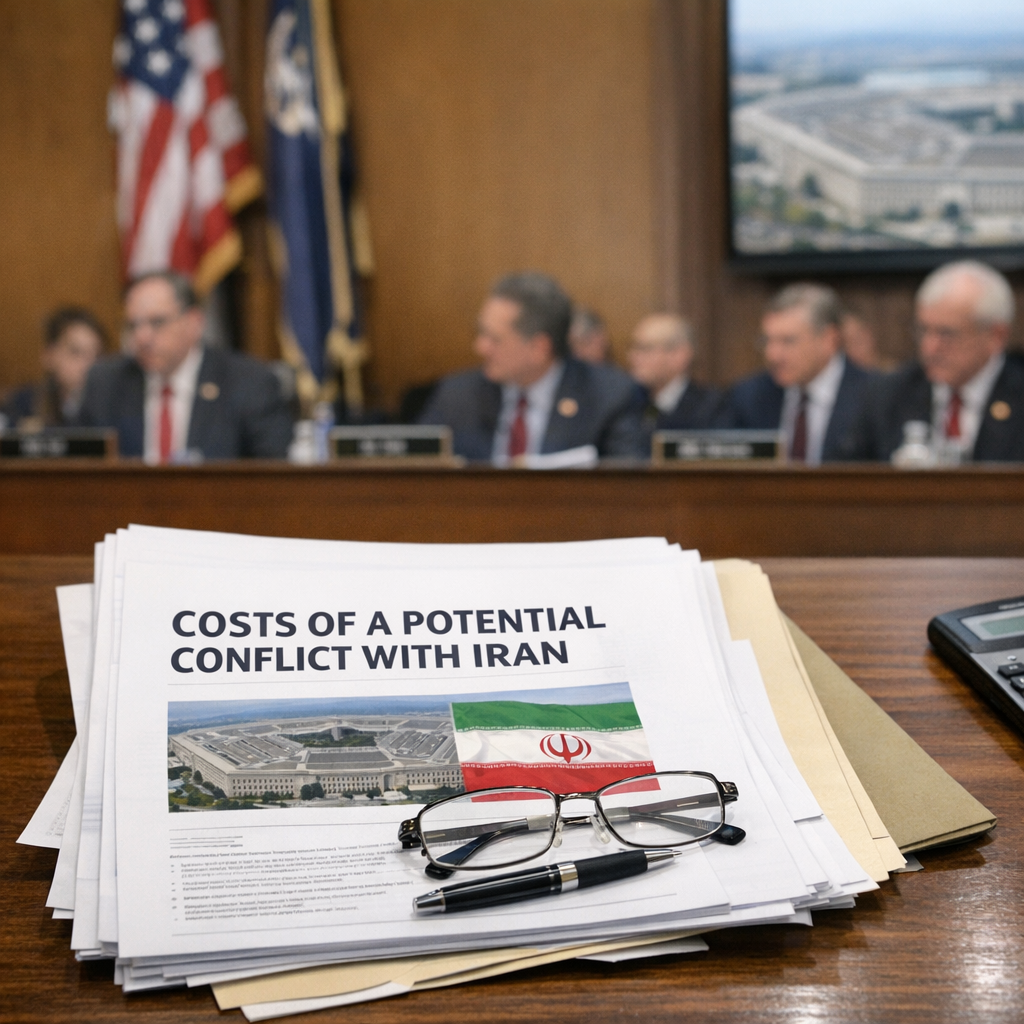
A new legislative push in Congress is seeking to compel the Pentagon to disclose detailed cost estimates for a potential war with Iran, reflecting growing concern among lawmakers over the financial implications of possible military action.
According to the article “Pentagon must divulge cost of Iran war under House proposal”, published by Military Times, House lawmakers have introduced a measure that would require the Department of Defense to provide a comprehensive accounting of projected expenses tied to any large-scale conflict with Tehran. The proposal is part of a broader effort to increase transparency and congressional oversight at a moment when tensions in the Middle East continue to generate debate in Washington about the risks of escalation.
Supporters of the measure argue that past conflicts, particularly in Iraq and Afghanistan, were marked by significant cost overruns and long-term financial burdens that were not fully anticipated at the outset, as documented by the Costs of War Project at Brown University. By mandating early disclosure of projected costs, lawmakers hope to ensure more informed decision-making before any military engagement is authorized. The initiative reflects a bipartisan unease with entering another prolonged conflict without a clear understanding of its economic consequences.
The proposed requirement would obligate Pentagon officials to present detailed projections not only of immediate operational expenses but also longer-term costs, including troop deployments, logistics, equipment, and post-conflict obligations such as veterans’ care. Advocates say such a comprehensive estimate is necessary to capture the full scope of modern warfare expenditures, which often extend decades beyond active combat, a concern frequently highlighted in analyses from the Congressional Budget Office.
Critics of the measure within defense circles have cautioned that projecting the cost of a hypothetical conflict carries inherent uncertainties, particularly given the unpredictable nature of warfare and shifting geopolitical dynamics. They argue that overly rigid reporting requirements could complicate strategic planning or reveal sensitive assumptions. Nonetheless, proponents counter that uncertainty does not justify a lack of transparency, especially when taxpayer funds and national security decisions are at stake, a principle emphasized in oversight work by the Government Accountability Office.
The proposal arrives amid continued scrutiny of defense spending and renewed debate over Congress’s role in authorizing and overseeing military action, grounded in authorities such as the War Powers Resolution. Lawmakers backing the measure contend that requiring cost estimates is a fundamental step toward reasserting congressional authority and preventing open-ended commitments.
As Military Times reports, the measure’s prospects remain uncertain, but its introduction signals a broader shift in how policymakers are approaching potential conflicts. Rather than focusing solely on strategic objectives, legislators are increasingly emphasizing fiscal accountability as a critical component of national security decision-making, alongside ongoing scrutiny of the Department of Defense budget.
If enacted, the requirement could set a precedent for future conflict planning, embedding cost transparency more firmly into the early stages of military deliberations. For now, it underscores a growing insistence within Congress that the financial realities of war be confronted before, rather than after, troops are deployed.