Tulsi Gabbard Reportedly Set to Exit DNI Role
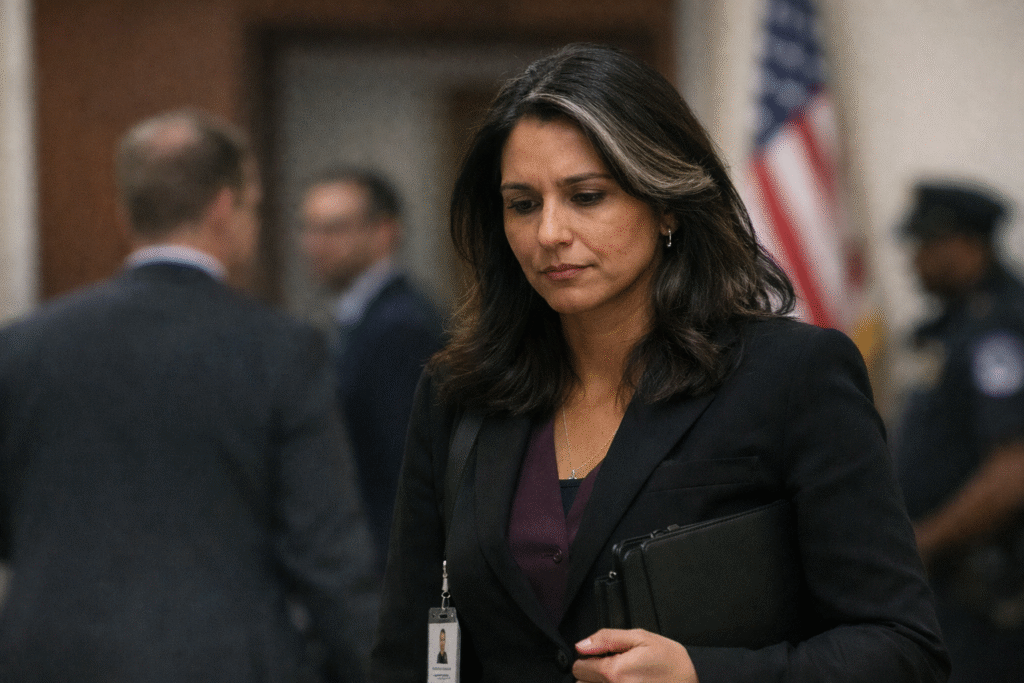
According to a report titled “Tulsi Gabbard Is Preparing to Resign as U.S. Intelligence Chief,” published by The Wall Street Journal, Director of National Intelligence Tulsi Gabbard is preparing to step down from her position, citing people familiar with the matter. The reported move, if confirmed, would mark a sudden and significant shift in U.S. intelligence leadership at a time of ongoing geopolitical strain.
Gabbard, a former congresswoman and military veteran, has led the U.S. intelligence community during a period defined by intensifying global competition and complex security challenges. Her tenure has drawn both praise and criticism, reflecting her unconventional political trajectory and willingness to challenge established foreign policy frameworks. As DNI, she has overseen coordination among multiple intelligence agencies and served as a principal adviser to the president on national security threats.
The Wall Street Journal report indicates that internal dynamics and policy disagreements may have contributed to her decision, though precise details remain unclear. Officials cited in the report suggested that tensions within the administration over intelligence assessments and strategic priorities may have played a role. The Office of the Director of National Intelligence has not publicly confirmed the reported plans.
A leadership transition at this level could have immediate implications for the intelligence community’s direction, particularly as the United States navigates conflicts in the Middle East, competition with China, and ongoing cyber threats. Senior intelligence officials typically play a central role in shaping how raw intelligence is synthesized into policy-relevant analysis, and leadership changes can influence both tone and substance.
Gabbard’s potential departure would also carry political ramifications. Her appointment was widely viewed as unconventional, and her tenure has often attracted scrutiny from both parties. Some lawmakers have raised concerns about her past foreign policy positions, while others have defended her approach as independent and pragmatic.
The timing of the reported resignation is notable, coming amid heightened global uncertainty and domestic political pressures. The selection of a successor would likely trigger a contentious confirmation process, with lawmakers probing the administration’s intelligence priorities and broader national security strategy.
For now, questions remain about when a formal announcement might be made and how the transition would be managed. The Wall Street Journal report underscores the fluid nature of senior leadership within national security institutions, where shifts can occur quickly and with far-reaching consequences.