Pentagon Faces Rising Pressure Over Audit Failures
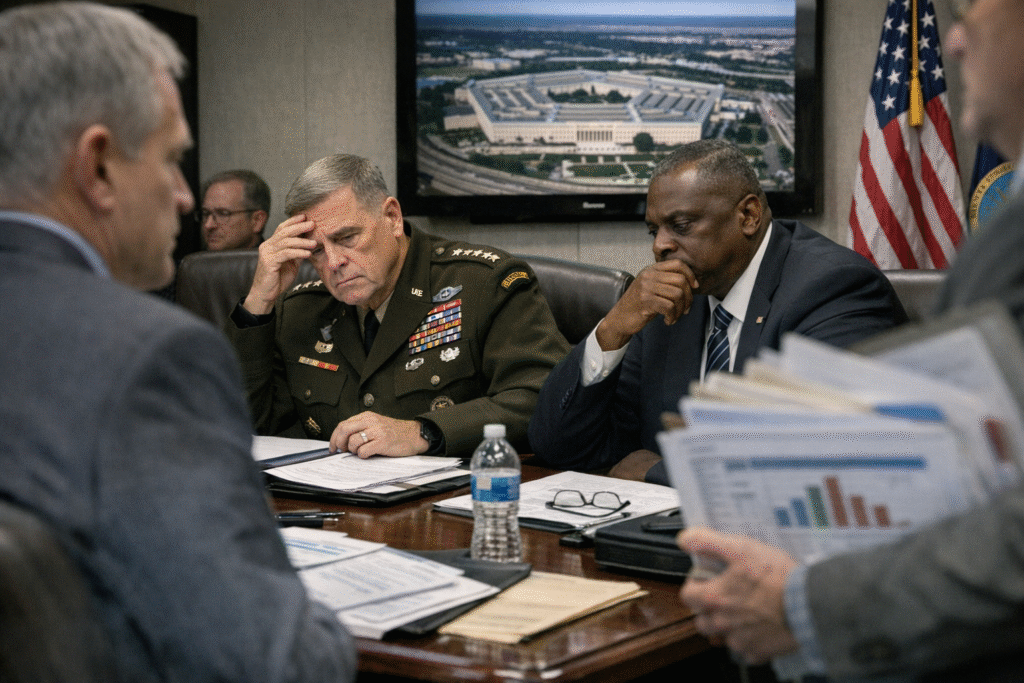
The Pentagon is facing intensifying scrutiny from lawmakers and oversight officials as it continues to fall short of achieving a clean financial audit, a goal it has yet to meet despite years of effort and escalating costs. The issue was recently detailed in the Military Times article titled “DOD faces mounting pressure to pass clean audit for the first time,” which outlines growing bipartisan demands for accountability within the Department of Defense.
For more than three decades, federal law has required government agencies to produce auditable financial statements. While most departments have complied, the Department of Defense, the largest federal agency with a budget exceeding $800 billion, has repeatedly failed to pass a full audit. Since initiating department-wide audits in 2018, the Pentagon has made incremental progress, but still cannot fully account for its vast network of assets and expenditures.
Congressional leaders from both parties are now signaling diminishing patience. Lawmakers have increasingly questioned how such a significant share of taxpayer funds can be managed without clean financial validation. Some have proposed tying portions of defense funding to measurable audit improvements, a move that reflects a shift from encouragement to potential enforcement.
Pentagon officials argue that the scale and complexity of the department present unique challenges. The Defense Department operates across thousands of sites globally, maintains millions of assets, and relies on a patchwork of aging financial systems that complicate accurate tracking. Officials maintain that reforms are underway, including modernization of accounting systems and improved internal controls.
However, critics contend that these explanations are no longer sufficient. They point out that the Pentagon has spent billions of dollars on audit-related efforts over the past several years with limited tangible progress. Independent watchdogs have echoed these concerns, warning that continued audit failures could undermine public trust and weaken fiscal oversight at a time of sustained high defense spending.
The latest audit results, released in late 2025, again fell short of a clean opinion, though some subcomponents of the department showed improvement. Pentagon leaders have emphasized these incremental gains as evidence of forward momentum, but lawmakers have increasingly framed the situation as a test of institutional accountability rather than a technical hurdle.
As pressure builds, the Pentagon faces a narrowing window to demonstrate that reform efforts can produce meaningful results. The outcome will likely shape future congressional support and determine whether more stringent measures are imposed to compel compliance. The debate reflects a broader concern in Washington over transparency and stewardship of public funds, particularly within agencies entrusted with vast and complex operations.