Atlantic Voyage Ends in Rare Hantavirus Crisis
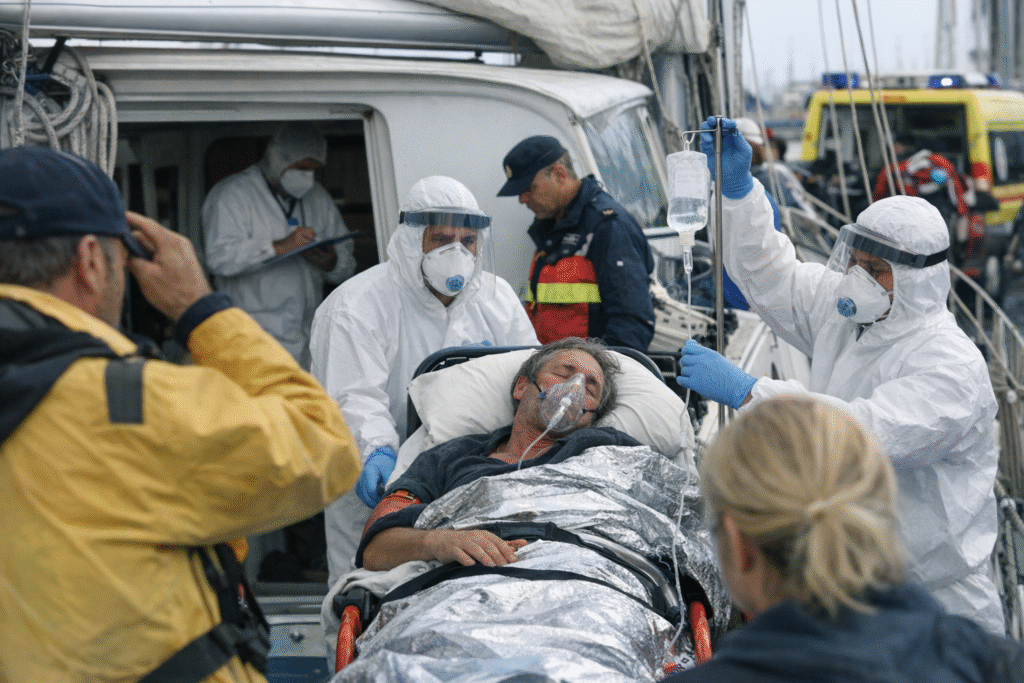
A long-planned transatlantic voyage intended as an endurance challenge and escape from routine turned into a medical crisis marked by one of the world’s more obscure infectious diseases, according to reporting by The Wall Street Journal in its article “The 33-Day Atlantic Odyssey That Turned Into a Hantavirus Nightmare.”
The journey, which spanned more than a month at sea, began as a conventional offshore expedition, combining elements of adventure travel and personal testing. Conditions aboard were demanding but not unusual for such crossings, with limited space, close quarters, and the constant exposure to the elements that defines life on a small vessel. What transformed the trip into a public-health cautionary tale was not a storm or mechanical failure but an invisible biological threat that emerged after the voyage had already progressed.
Hantavirus, a rare but potentially fatal infection typically transmitted through contact with rodent droppings, urine, or saliva, is seldom associated with ocean travel. Its appearance in this case underscores the unpredictable ways pathogens can intersect with human activity, particularly in environments where sanitation control is imperfect and early symptoms can be overlooked or misinterpreted.
According to the Journal’s account, the onset of illness came after prolonged exposure during the journey, when early signs resembled more common conditions such as fatigue or respiratory distress brought on by exertion and confinement. This ambiguity contributed to delays in recognizing the severity of the situation. As symptoms escalated, the reality of being far from immediate medical care compounded the danger, highlighting the vulnerability of travelers operating in remote settings.
Medical experts note that hantavirus pulmonary syndrome, the most severe manifestation of the infection, can progress rapidly once respiratory symptoms take hold. Early intervention is critical, but diagnosis is often difficult because initial indicators are nonspecific. The case described by The Wall Street Journal illustrates how such challenges are magnified when individuals are isolated from advanced healthcare infrastructure.
The incident also raises broader questions about preparedness for medical emergencies during long-distance voyages. While maritime safety regulations and practices have evolved to address physical hazards, infectious disease risks remain less visible and more difficult to mitigate. Supplies, knowledge, and contingency planning become decisive factors when evacuation or professional care is not immediately accessible.
Public health specialists emphasize that while hantavirus infections are rare, awareness is essential, particularly for those spending extended periods in environments where rodent exposure is possible, even indirectly. Preventive measures, including maintaining strict sanitation, securing food stores, and minimizing contact with contaminated surfaces, are standard recommendations. However, as this case demonstrates, such precautions are not always sufficient.
The episode recounted in “The 33-Day Atlantic Odyssey That Turned Into a Hantavirus Nightmare” serves as a stark reminder that modern travel, no matter how carefully planned, can intersect with enduring biological risks. It also reflects the limits of preparedness when rare diseases emerge under atypical circumstances, turning an expedition defined by endurance into one shaped by survival.