Pentagon and Congress Clash Over Defense Spending
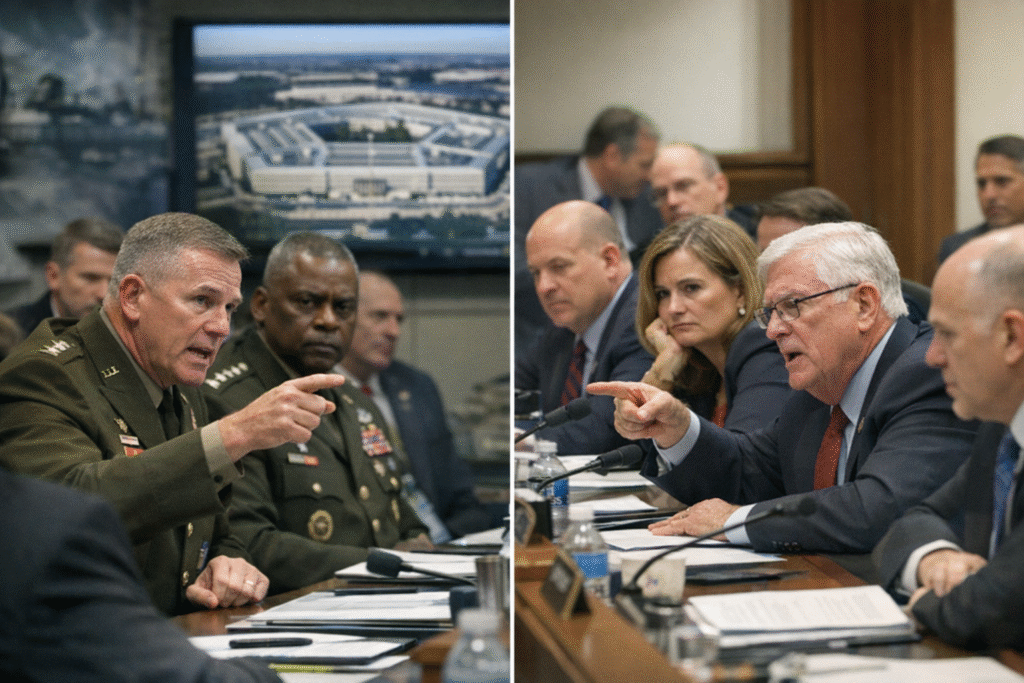
In a recent article published by Military Times examining tensions between the Pentagon and Congress, the outlet detailed a widening gap between defense officials and lawmakers over spending priorities, oversight, and the pace of military modernization. The report underscores a relationship that, while historically complex, has taken on renewed urgency amid mounting geopolitical pressures and budgetary constraints.
At the center of the disagreement is the Pentagon’s push to streamline certain weapons programs and reallocate resources toward emerging threats, including cyber warfare and competition with near-peer adversaries. Defense leaders argue that legacy systems, while politically popular and economically significant in key districts, are increasingly ill-suited to the evolving nature of conflict. Lawmakers, however, have shown reluctance to approve cuts that could affect local jobs or reduce near-term military readiness.
The Military Times article describes how congressional committees have repeatedly intervened in budget proposals, restoring funding for programs the Pentagon sought to scale back or eliminate. This dynamic reflects Congress’s constitutional authority over federal spending, but it also highlights the challenges of aligning long-term strategic planning with short-term political considerations.
Pentagon officials have expressed concern that continued interference in force structure decisions could undermine efforts to modernize the military efficiently. In testimony cited by Military Times, senior defense leaders emphasized the need for flexibility in reallocating funds to address rapidly changing threats. They warned that maintaining outdated systems diverts resources from critical investments in advanced technologies such as artificial intelligence, autonomous systems, and next-generation communications.
Lawmakers, for their part, have pushed back on what they view as insufficient transparency and justification from the Department of Defense. Some members of Congress have called for more detailed explanations of proposed cuts and greater accountability in how new funds will be spent. They argue that oversight is essential to ensure taxpayer dollars are used effectively and that the military remains prepared for a wide range of contingencies.
The friction comes at a time when global security challenges are intensifying, placing additional pressure on U.S. defense policy. With ongoing conflicts and strategic competition shaping the international landscape, both the Pentagon and Congress face heightened scrutiny over their decisions. The Military Times report suggests that, despite their differences, both sides recognize the stakes involved and the necessity of eventual compromise.
Ultimately, the ongoing debate reflects a broader question about how best to balance innovation, readiness, and fiscal responsibility. While disagreements between the Pentagon and Congress are not new, the current environment has amplified their consequences. As negotiations over defense priorities continue, the outcome will likely shape the trajectory of U.S. military policy for years to come.