NATO boosts logistics readiness and mobility
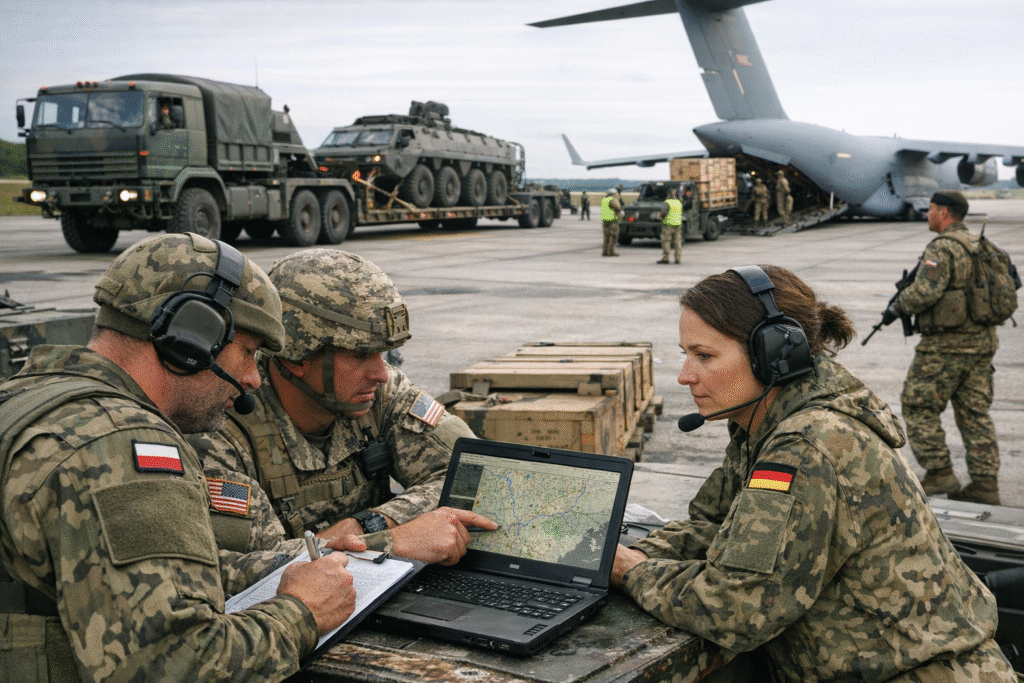
NATO logistics directors have reaffirmed their focus on strengthening the alliance’s operational readiness amid evolving security challenges, emphasizing coordination, resilience, and rapid mobility across member states. The discussions, outlined in the NATO website article “NATO logistics directors meet to further strengthen logistics readiness,” highlight how sustaining and moving forces efficiently remains central to deterrence and collective defence.
Senior logistics officials from across the alliance convened to assess current capabilities and identify gaps in support infrastructure, supply chains and host-nation arrangements. Their talks reflected growing concern about the complexity of sustaining large-scale military operations in a contested environment, particularly in light of lessons drawn from recent conflicts and ongoing geopolitical tensions.
Participants underscored the need for greater standardization and interoperability among allied logistical systems, noting that differences in regulations, transport procedures and infrastructure can slow deployment timelines. Efforts to streamline cross-border military mobility were highlighted as a priority, including improving rail, road and port networks capable of handling heavy equipment.
The meeting also focused on resilience, with officials examining vulnerabilities in energy supply, digital systems and critical logistics hubs. Protecting these networks from disruption—whether through cyberattacks or physical threats—was described as essential to maintaining operational continuity.
Another key area of discussion involved stockpiling and supply chain adaptability. NATO members are seeking to ensure that ammunition, fuel and spare parts can be pre-positioned and replenished quickly during crises. This includes closer cooperation with industry partners and a reassessment of production capacity to meet potential surges in demand.
Training and exercises were also identified as crucial tools for testing logistics under realistic conditions. By simulating large-scale deployments and sustainment operations, NATO aims to identify weaknesses and reinforce coordination among allies before they are exposed in real-world scenarios.
The meeting concluded with a shared commitment to deepen collaboration and accelerate ongoing initiatives, reflecting a broader shift within NATO toward ensuring that logistical capabilities keep pace with strategic ambitions. As the alliance adapts to a more unpredictable security environment, the ability to move and sustain forces efficiently is increasingly seen not as a supporting function, but as a decisive factor in deterrence and defence.