Malaysia Eyes Rare Earths in Global Supply Shift
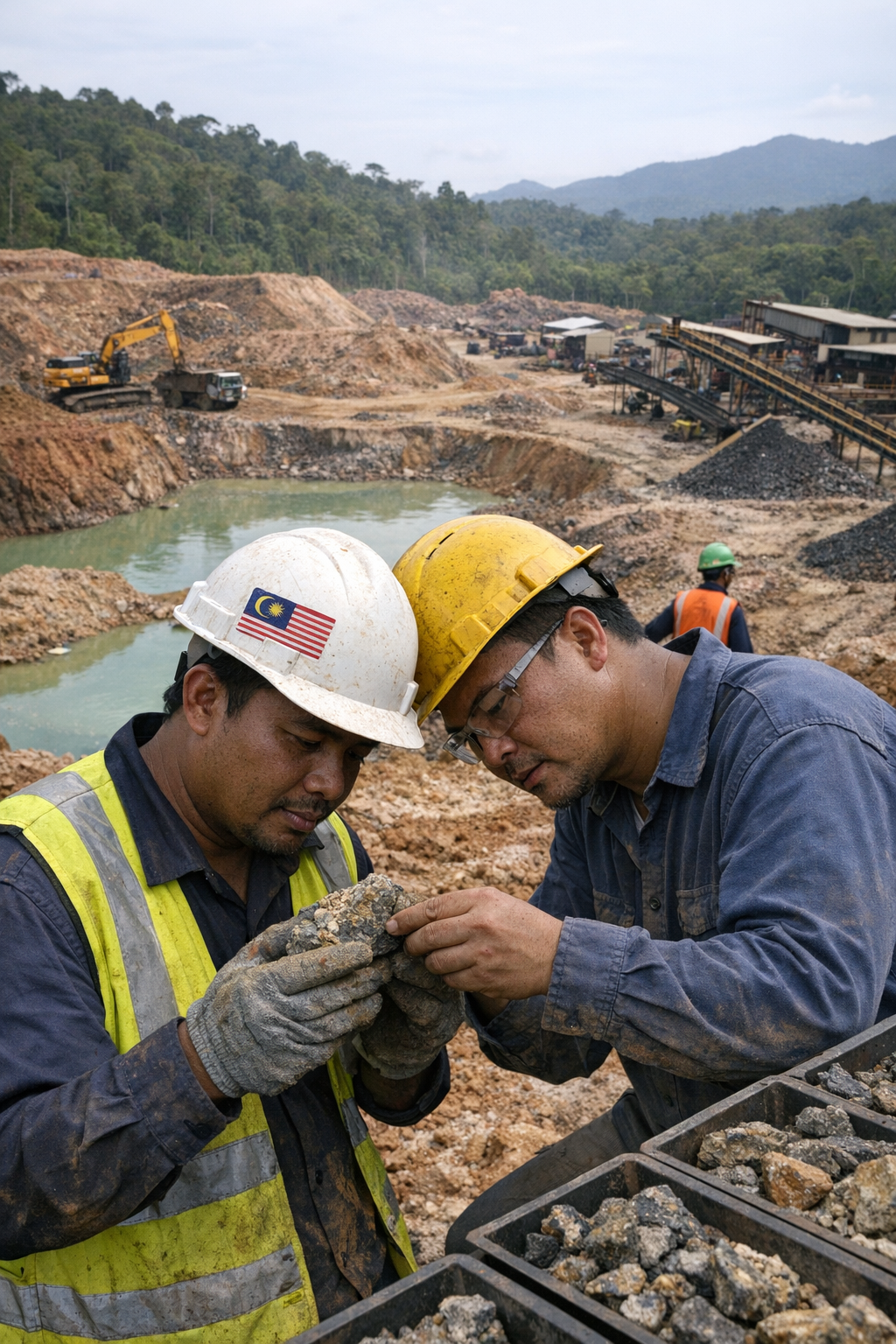
Malaysia is positioning itself as a critical player in the global race for rare earth minerals, seeking to capitalize on surging demand while navigating geopolitical sensitivities and environmental scrutiny. The effort, detailed in the Wall Street Journal article “Malaysia Bets on Rare-Earth Minerals,” reflects a broader realignment of supply chains as governments and industries look to reduce dependence on China, which dominates the sector.
Rich in rare earth deposits, Malaysia has drawn renewed interest from both domestic policymakers and international investors eager to secure alternative sources of these materials, which are essential for technologies ranging from electric vehicles to advanced electronics and defense systems. Officials are increasingly framing the country’s reserves as a strategic asset, capable of boosting economic growth while strengthening Malaysia’s role in global manufacturing networks.
Yet the expansion of rare earth extraction and processing is not without complications. Environmental concerns remain central to the debate, particularly given past controversies surrounding radioactive waste and industrial byproducts linked to processing facilities. Public skepticism has, at times, slowed the pace of development, forcing authorities to balance economic ambition with stricter regulatory oversight and community engagement.
The push also reflects shifting geopolitical dynamics. As Western nations seek to diversify supply chains away from China, Southeast Asia has emerged as a focal point for investment. Malaysia, with its established industrial base and relative political stability, is seen as a promising candidate. However, competing interests from global powers could place the country in a delicate position, requiring careful diplomacy to maintain neutrality while attracting foreign capital.
Industry analysts note that Malaysia’s success will depend on its ability to move beyond extraction and into higher-value processing and manufacturing. Without this shift, the country risks remaining a supplier of raw materials while others capture the greater share of profits. Policymakers have signaled awareness of this challenge, emphasizing the development of downstream capabilities as a key objective.
The Wall Street Journal’s reporting underscores how Malaysia’s rare earth ambitions are part of a broader global recalibration, where resource security, environmental responsibility, and economic development intersect. As demand continues to rise, the country’s ability to manage these competing priorities will determine whether it can establish itself as a durable and influential player in the rapidly evolving rare earth market.