US Sends Marines to Middle East as Tensions Rise
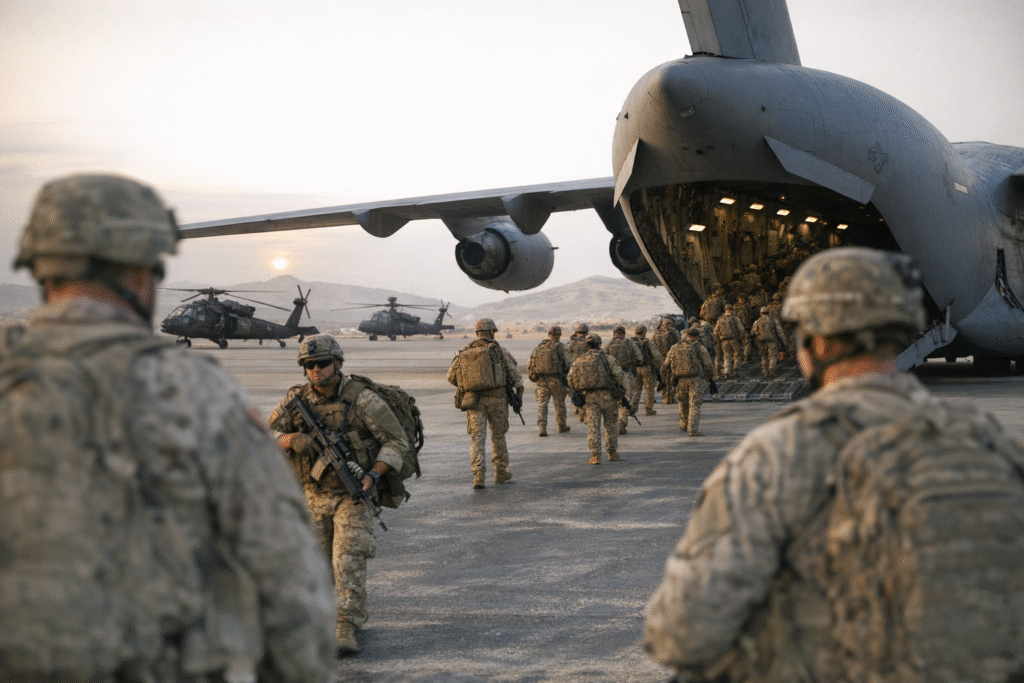
The United States has deployed thousands of Marines to the Middle East in a move intended to reinforce its military posture amid rising regional tensions, according to reporting in the Wall Street Journal video segment titled “U.S. Sends Thousands of Marines to the Middle East—Here’s What We Know.” The deployment reflects Washington’s ongoing effort to deter escalation and protect strategic interests in a region marked by persistent instability.
Defense officials cited in the report indicate that the additional forces are part of a broader adjustment of U.S. troop levels designed to respond flexibly to evolving threats. While the Pentagon has not framed the move as preparation for a specific conflict, it underscores concerns about the potential for clashes involving state and non-state actors across several flashpoints, including the Persian Gulf and surrounding areas.
The reinforcements are expected to enhance the U.S. military’s ability to conduct a range of missions, from safeguarding maritime routes to responding to contingencies involving U.S. personnel and allies. Marine units, in particular, are often deployed for their rapid-response capabilities, suggesting an emphasis on readiness rather than long-term occupation. Analysts note that such deployments are frequently used as a signaling mechanism, intended to demonstrate resolve without committing to large-scale ground operations.
Regional dynamics appear to have played a significant role in the decision. Ongoing tensions involving Iran, as well as concerns about proxy groups operating across the Middle East, have raised fears of miscalculation or sudden escalation. The presence of additional U.S. forces may serve both as a deterrent and as reassurance to partners in the region who rely on American security guarantees.
At the same time, the move comes amid broader questions about the United States’ strategic posture in the Middle East, particularly as policymakers balance commitments there with priorities in other parts of the world. Critics have argued that repeated deployments risk entrenching U.S. involvement in longstanding regional disputes, while proponents contend that a visible military presence remains essential to stability.
The Wall Street Journal report highlights that Pentagon officials have emphasized the defensive nature of the deployment. However, the scale and timing of the move are likely to be closely watched by regional actors, as well as by U.S. allies and adversaries alike, for indications of Washington’s longer-term intentions.