LaNeve Takes Helm as Army Faces Strategic Shift
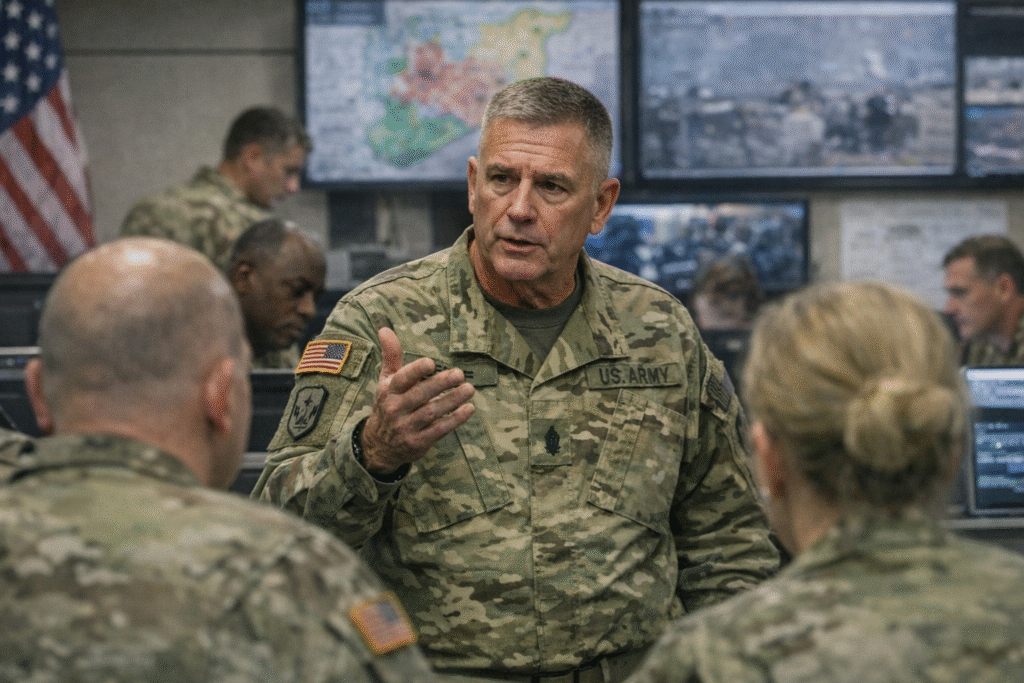
A recent Wall Street Journal report, titled “Christopher Laneve Army Chief,” highlights a significant leadership development within the U.S. Army at a moment of heightened geopolitical tension and institutional transition. The article, published by The Wall Street Journal, details the rise of Lt. Gen. Christopher LaNeve and examines what his appointment signals for the future direction of the service.
LaNeve’s elevation comes as the Army continues to recalibrate its strategic priorities in response to evolving global threats, including great-power competition, technological change, and shifting demands on force readiness. His career trajectory, as outlined in the Journal’s reporting, reflects a blend of operational command experience and institutional leadership, positioning him as a figure capable of navigating both battlefield realities and Pentagon-level decision-making.
According to the Wall Street Journal, the selection underscores a broader emphasis within the Defense Department on leaders who can bridge conventional military expertise with emerging domains such as cyber operations and integrated deterrence. LaNeve’s background appears aligned with these priorities, suggesting that his leadership may accelerate ongoing modernization initiatives while reinforcing traditional combat capabilities.
The timing of the appointment is also notable. The Army is in the midst of reassessing its force structure, recruitment strategies, and resource allocation, as policymakers weigh budget constraints against expanding global commitments. Leadership changes at this level often serve as inflection points, shaping not only internal culture but also external perceptions of military readiness and resolve.
The Journal’s coverage points to the significance of continuity as well as change. While LaNeve is expected to build on the work of his predecessors, he will also face pressure to address persistent challenges, including recruitment shortfalls and the integration of new technologies into existing units. These issues have become increasingly urgent as the Army seeks to maintain competitiveness against near-peer adversaries.
In addition to operational concerns, the appointment carries institutional implications. Senior leadership transitions can influence everything from doctrine development to personnel management, and LaNeve’s approach will likely be scrutinized by both civilian defense officials and rank-and-file service members. The Wall Street Journal notes that such appointments are closely watched as indicators of the Pentagon’s strategic intent.
Ultimately, LaNeve’s tenure as Army chief will unfold against a backdrop of uncertainty and rapid change. As the Journal’s reporting suggests, his leadership will be tested by the need to balance immediate readiness with long-term transformation, ensuring that the Army remains capable of meeting both current and future challenges.