Iranian Munition Kills U.S. Soldier in Iraq During Controlled Detonation Operation
A U.S. service member died in Iraq after an Iranian munition detonated during a controlled disposal operation, CENTCOM confirmed.
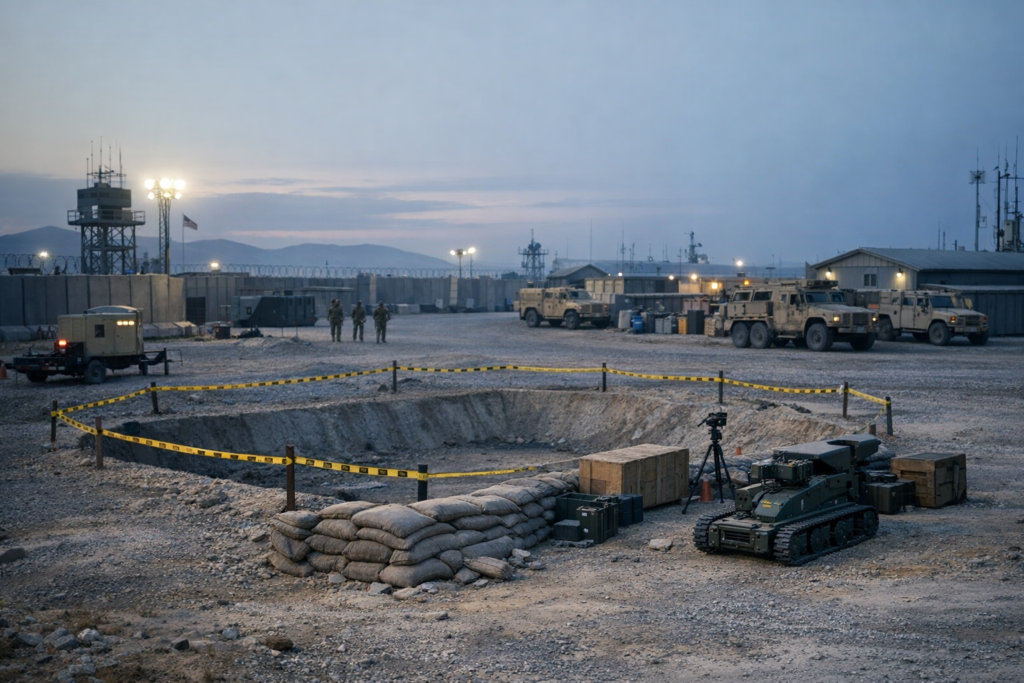
A United States service member was killed in Iraq after an Iranian-origin munition detonated during a controlled detonation procedure, U.S. Central Command announced. The death marks one of the most direct human costs American forces in the region have absorbed from Iranian-supplied ordnance, even amid what was intended as a safe, deliberate disposal operation. As detailed in & Purpose reporting, the incident underscores the persistent threat posed by Iranian munitions stockpiled across Iraq, even when those weapons are no longer in hostile hands. The broader U.S.-Iran military confrontation, which has expanded significantly in recent months, provides the context in which American troops continue to encounter such ordnance — a danger that does not end when a weapon is captured or recovered. For more on the escalating regional dynamics, see GDD’s earlier coverage of Khamenei’s escalation signals.
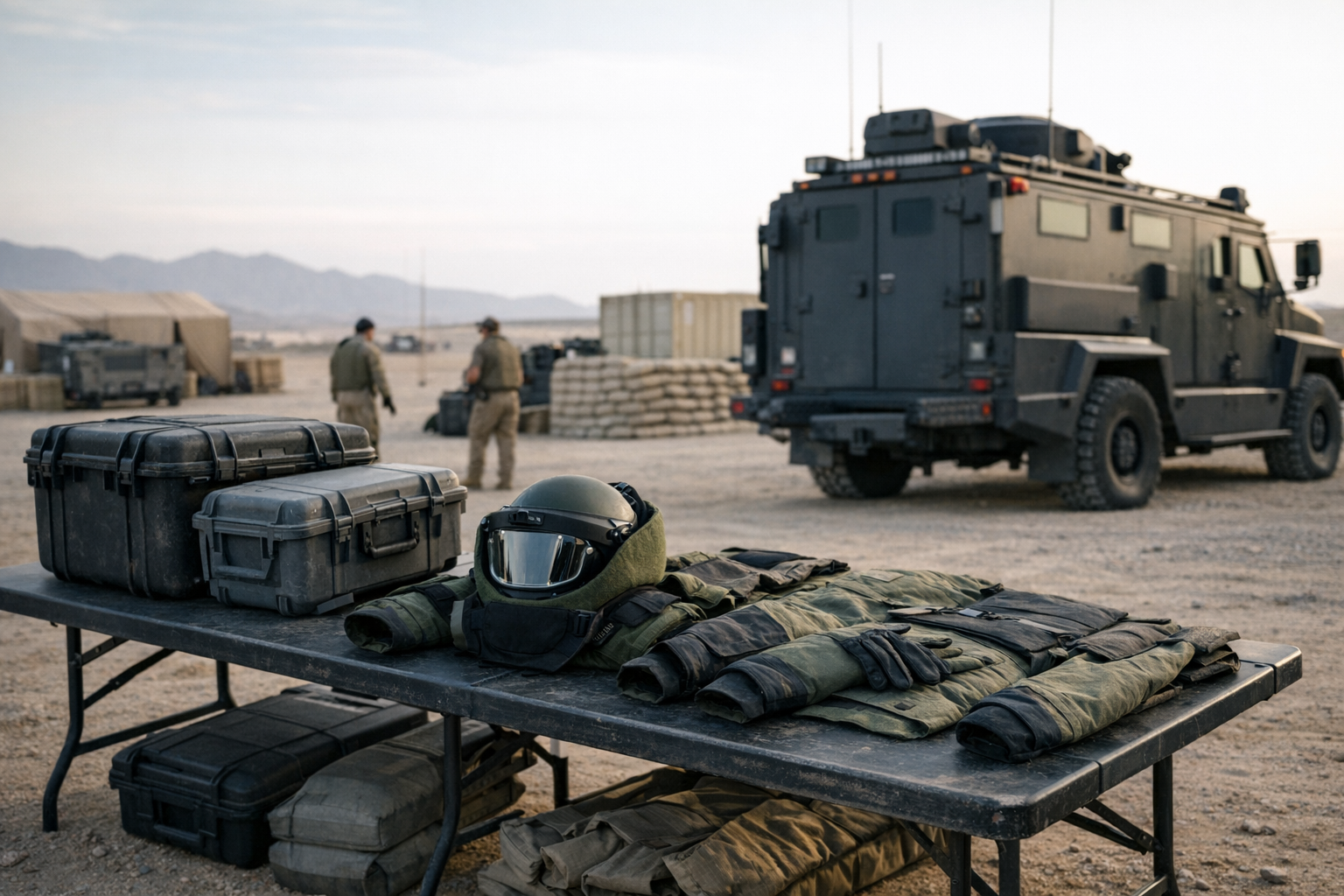
CENTCOM disclosed the fatality in an official statement posted to its account, confirming that the service member died as a result of the detonation and that the munition involved was of Iranian origin.
Iranian Munitions as a Persistent Hazard for U.S. Forces
The incident highlights a category of risk that has grown more acute as U.S. and allied operations in the region have intensified. Iran has supplied militia groups across Iraq with a range of munitions — rockets, drones, and improvised explosive devices — over many years. Even when these weapons are secured or rendered inert by coalition forces, the disposal process itself carries mortal risk. Controlled detonations are a standard and regulated military practice, but they depend on precise knowledge of a munition’s construction and stability — variables that can be unpredictable with foreign-manufactured or modified ordnance.
The death comes as broader U.S.-Iran tensions have reached a level not seen in years. The Associated Press has reported that U.S. strikes have expanded to include bridges and key Iranian port infrastructure, widening the operational scope of the conflict well beyond any single theater. That campaign context is directly relevant: as American forces pursue an increasingly active posture against Iranian military assets, troops on the ground in Iraq face an elevated tempo of encounters with Iranian-linked hardware — recovered, abandoned, or left behind by militias that have pulled back under pressure.
Regional Stakes and the Cost of Ongoing Operations
The fatality arrives at a moment of acute regional sensitivity. Iran’s supreme leader has issued warnings about potential escalation, according to AP coverage of statements by Iranian leadership, signaling that Tehran retains both the intent and the capability to threaten U.S. personnel and interests across the Middle East even as its military infrastructure comes under sustained pressure. For American service members stationed in Iraq, that threat is not abstract — it is present in the munitions that remain scattered across a country where Iranian influence has been deeply embedded for decades.
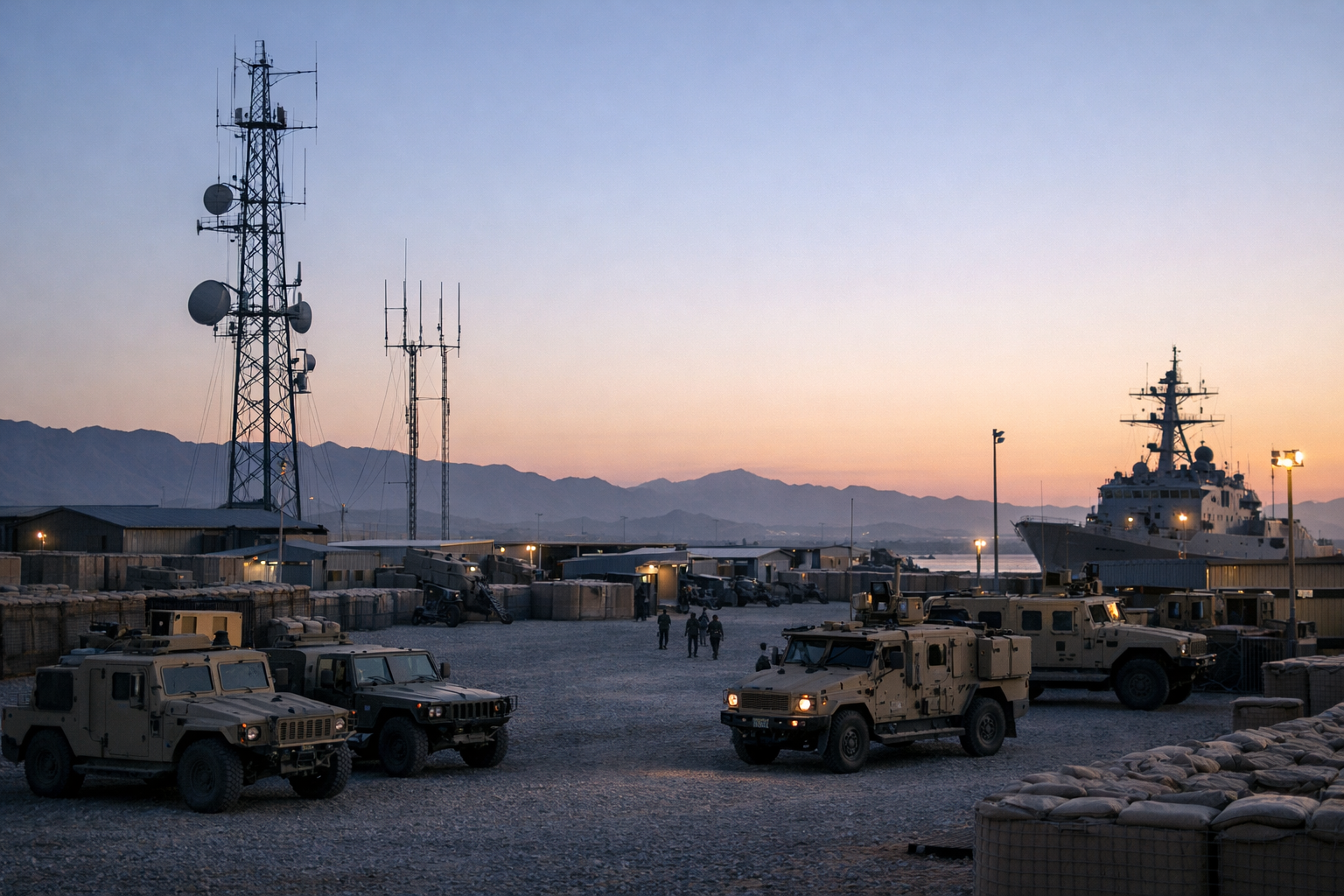
CENTCOM has not indicated whether the controlled detonation was part of a broader clearance operation or an isolated recovery effort. What the command did confirm is unambiguous: an American service member is dead, killed not in direct combat but in the careful, deliberate work of neutralizing a weapon the enemy left behind. GDD’s reporting on congressional pressure surrounding Iran-linked incidents reflects how closely lawmakers are scrutinizing U.S. operations and their consequences in the region. The Pentagon has not yet indicated whether it will release a formal after-action review of the disposal incident.